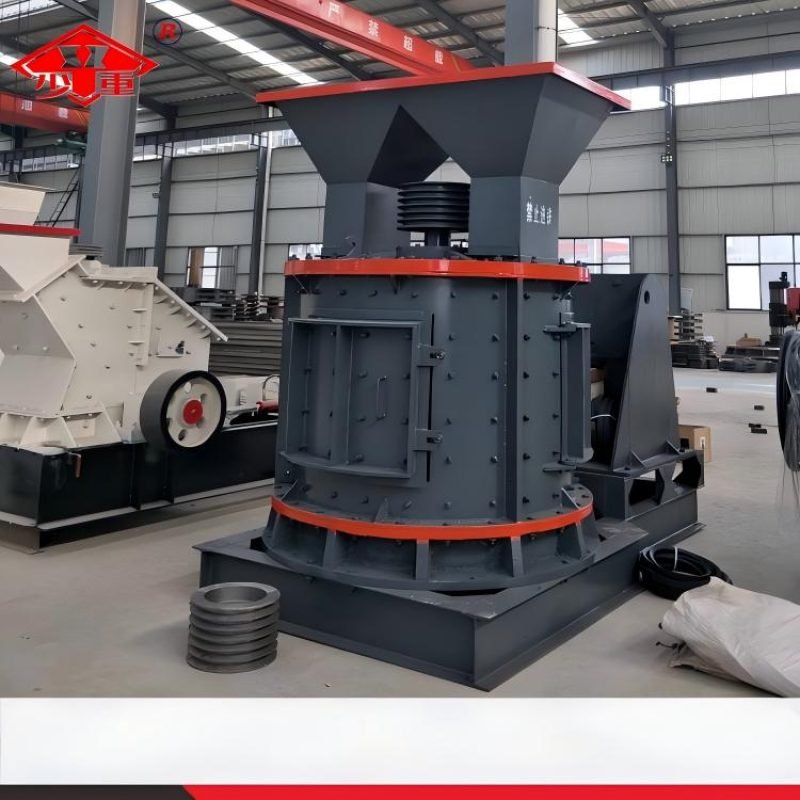
Обзор продукта
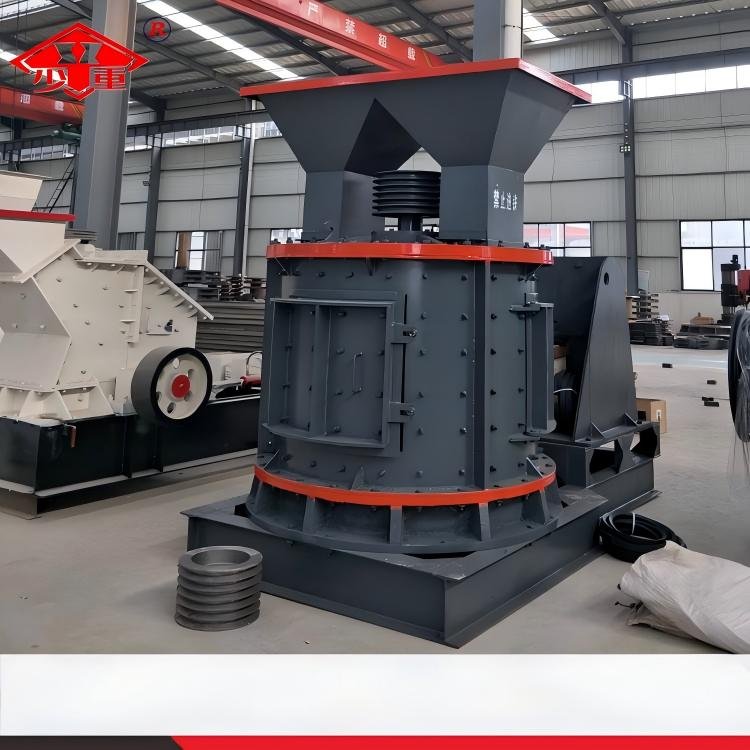
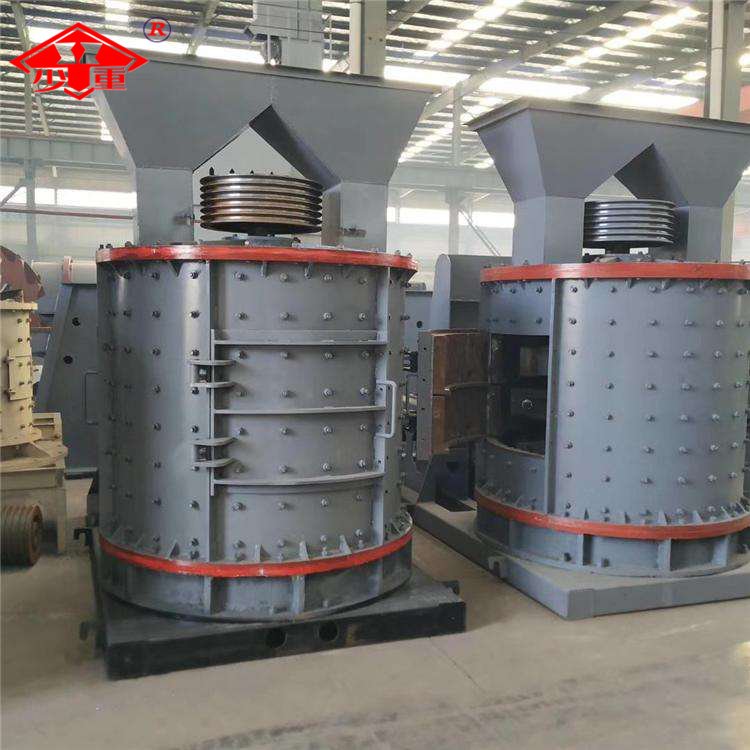
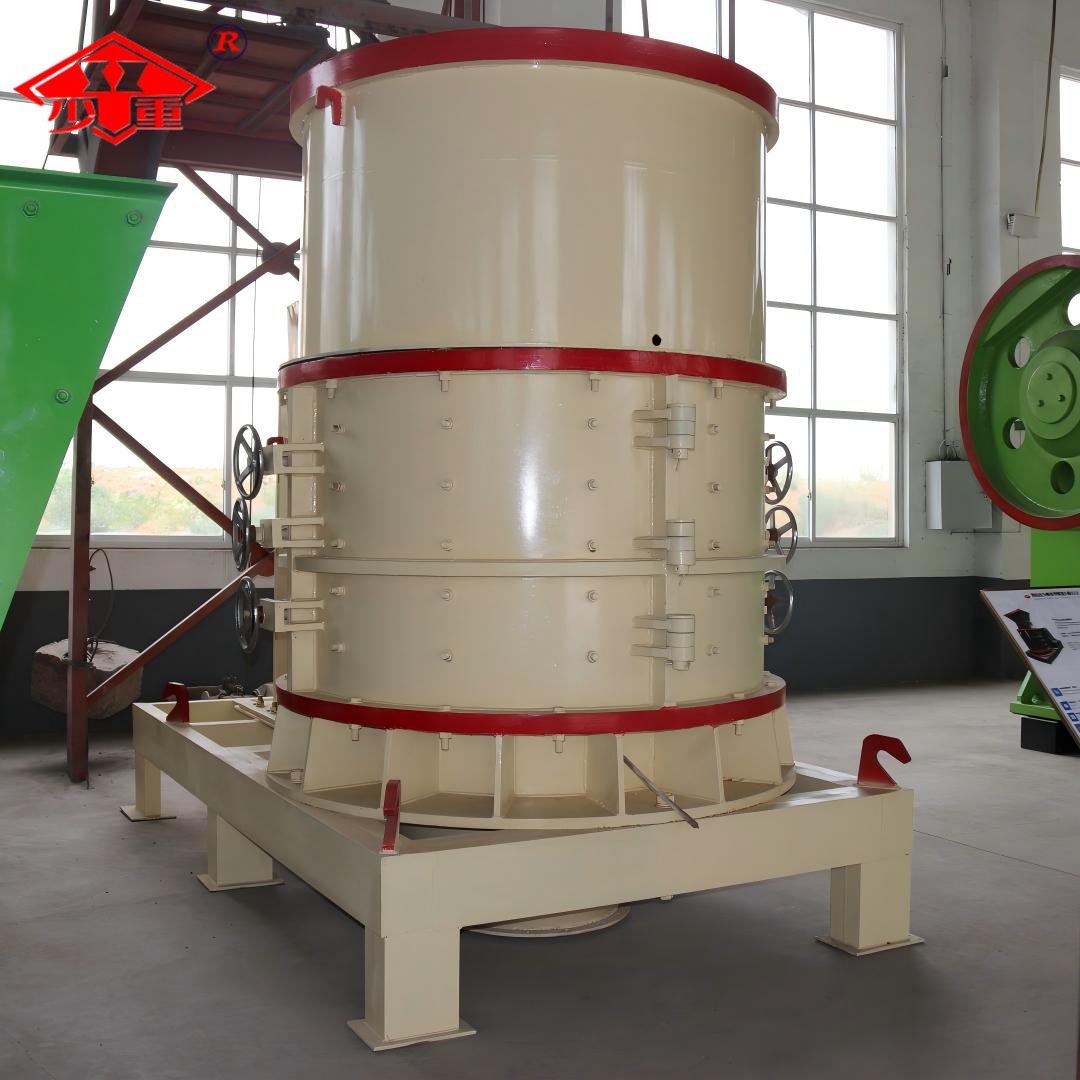
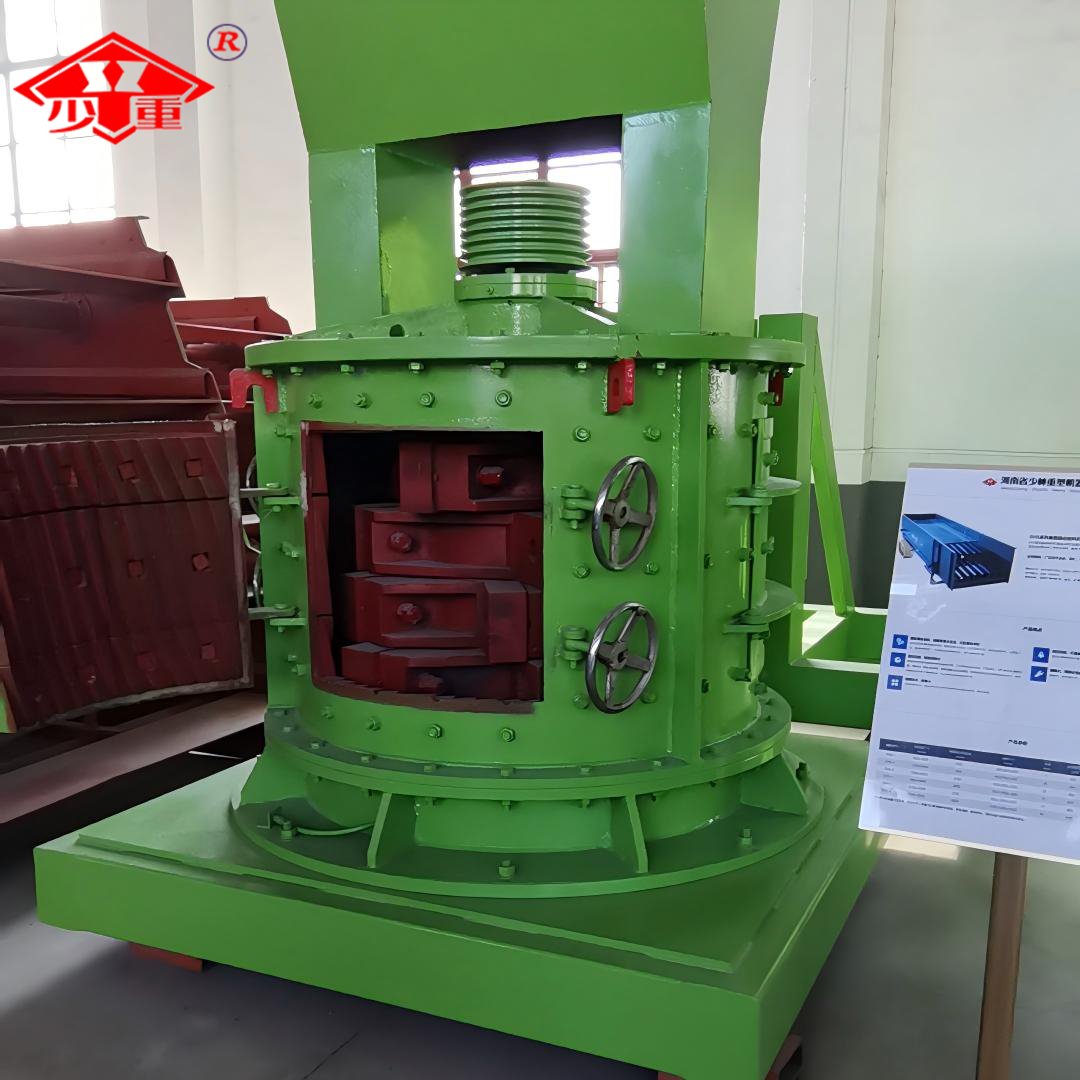
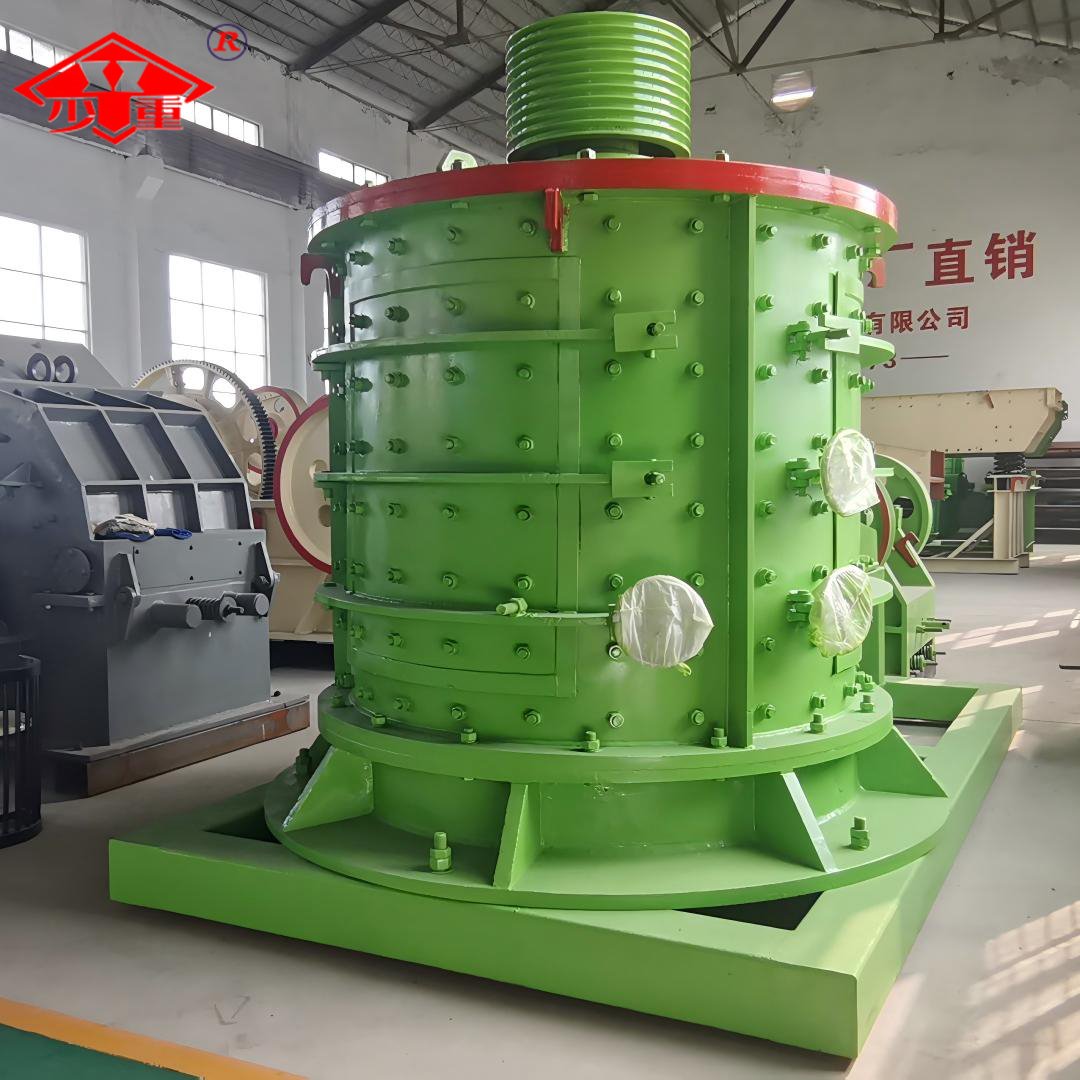
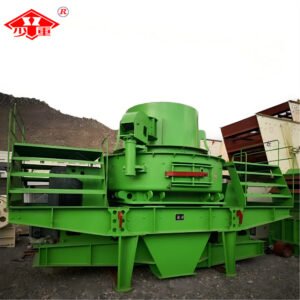
Вертикальная пескоструйная машина использует передовой комбинированный принцип дробления, сочетающий механизмы «камень по камню» и «камень по железу». Благодаря оптимизированной конструкции ротора с глубокой полостью и специально спроектированной дробильной камере достигается высокоэффективное измельчение материала и точное формование. Оборудование оснащено гидравлическим устройством для открытия крышки и автоматической системой смазки, что упрощает техническое обслуживание. Уникальная система рециркуляции воздуха эффективно минимизирует выбросы пыли, обеспечивая более чистую рабочую среду.
Благодаря использованию передовых технологий гашения вибраций и снижения шума, установка работает с уровнем шума ниже 75 децибел, соответствуя экологическим стандартам. Технология частотно-регулируемого привода и оптимизированная конструкция воздушного потока значительно снижают энергопотребление, обеспечивая более чем на 251 тонну больше энергии, чем у традиционного оборудования. Компактная конструкция и гибкие возможности установки позволяют адаптировать ее к различным конфигурациям производственных площадок, что делает ее идеальным выбором для современных линий по производству песка.
Принцип работы
1. Этап подачи и распределения: Материал равномерно поступает через загрузочное отверстие в верхней части дробилки. Специально разработанный двухканальный распределитель точно разделяет материал на два потока: примерно 70% поступает в зону высокоскоростного ускорения в центре импеллера, а 30% образует слой материала по периметру импеллера, тщательно подготавливая его к ударному дроблению.
2. Этап ускорения и удара: Материал, поступающий в рабочее колесо, ускоряется до 60-75 м/с под действием центробежной силы, после чего выбрасывается через канал потока. Он подвергается многоуровневым интенсивным столкновениям с окружающим свободно падающим материалом, что обеспечивает высокоэффективное дробление ‘камень о камень’ при минимизации износа износостойких компонентов.
3. Этап столкновения и формования: В специально разработанной вихревой дробильной камере материал подвергается многократным столкновениям, трению и измельчению. Частицы постепенно измельчаются и переформовываются, в конечном итоге получая высококачественный искусственный песок с округлыми зернами и хорошо сбалансированным гранулометрическим составом.
Основные компоненты вертикальной комбинированной дробилки
1. Система роторного узла
Оснащен кованым главным валом из высокопрочной легированной стали, оборудованным шведскими самоустанавливающимися роликовыми подшишипниками SKF. Корпус подшипника имеет встроенную систему контроля температуры и автоматической смазки, что обеспечивает стабильную работу ротора при 3000 об/мин.
2. Система износостойких компонентов
Периферийные вкладыши изготовлены из высокохромистого сплава Cr26 с твердостью HRC58-62. Благодаря модульной конструкции, отдельные изнашиваемые компоненты весят 30-50 кг, что упрощает их замену и техническое обслуживание.
3. Гидравлическая система открывания крышки
Включает в себя гидравлический силовой агрегат, синхронизированные гидравлические цилиндры и предохранительный блокировочный механизм. Электрогидравлическая система управления обеспечивает плавное открытие крышки в течение 15 минут, предоставляя удобный доступ для технического обслуживания.
4. Сборка системы смазки
Оснащен двухступенчатой системой подачи масла с маслоохладителем и прецизионным фильтром. В контурах смазки предусмотрены устройства защиты от избыточного давления и контроля потока для обеспечения надежной смазки.
5. Сборка системы электрического управления
Использует ПЛК Siemens S7-1200 с 10-дюймовым цветным сенсорным экраном. Способен регистрировать рабочие параметры, проводить диагностику неисправностей и осуществлять удаленную связь.