Product Overview
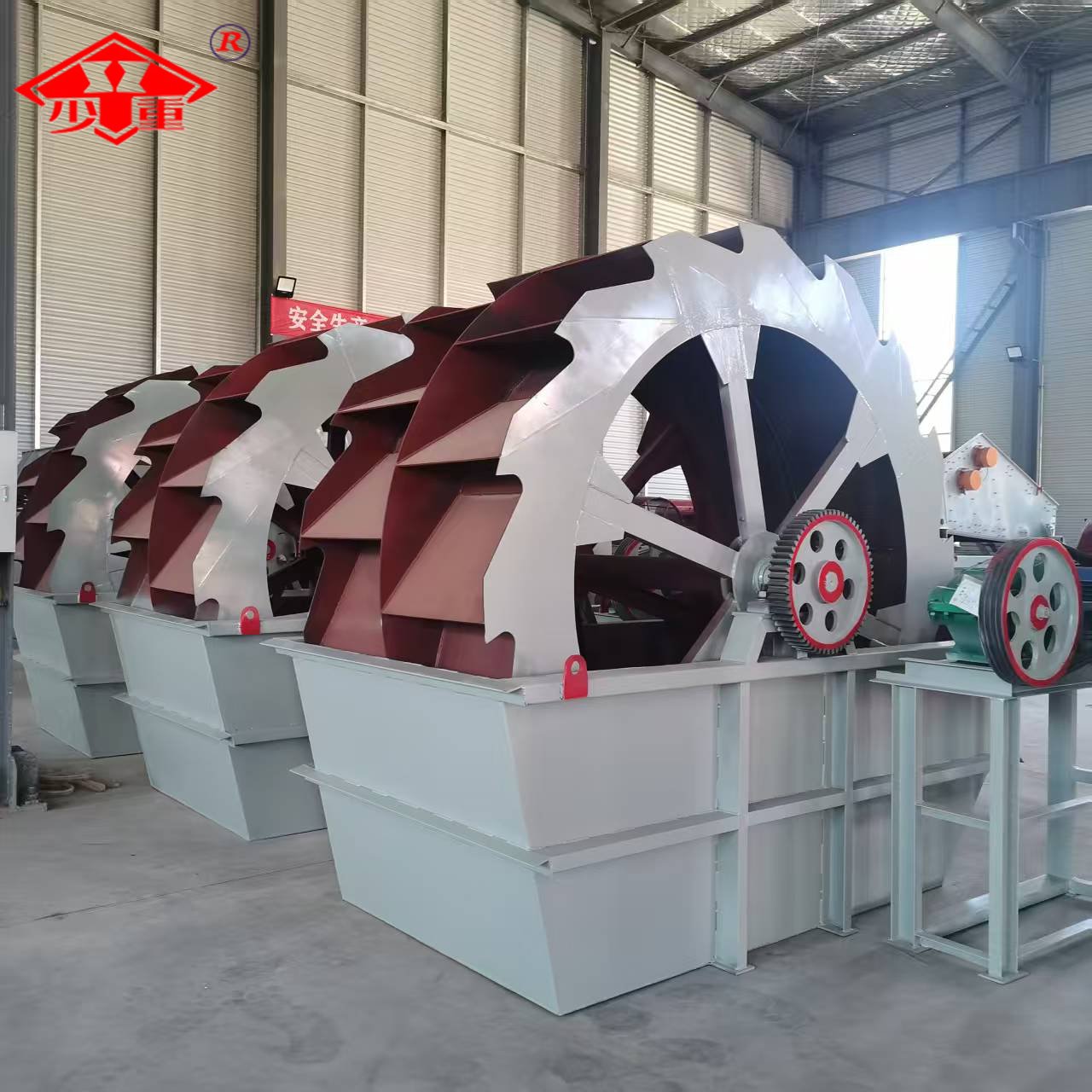
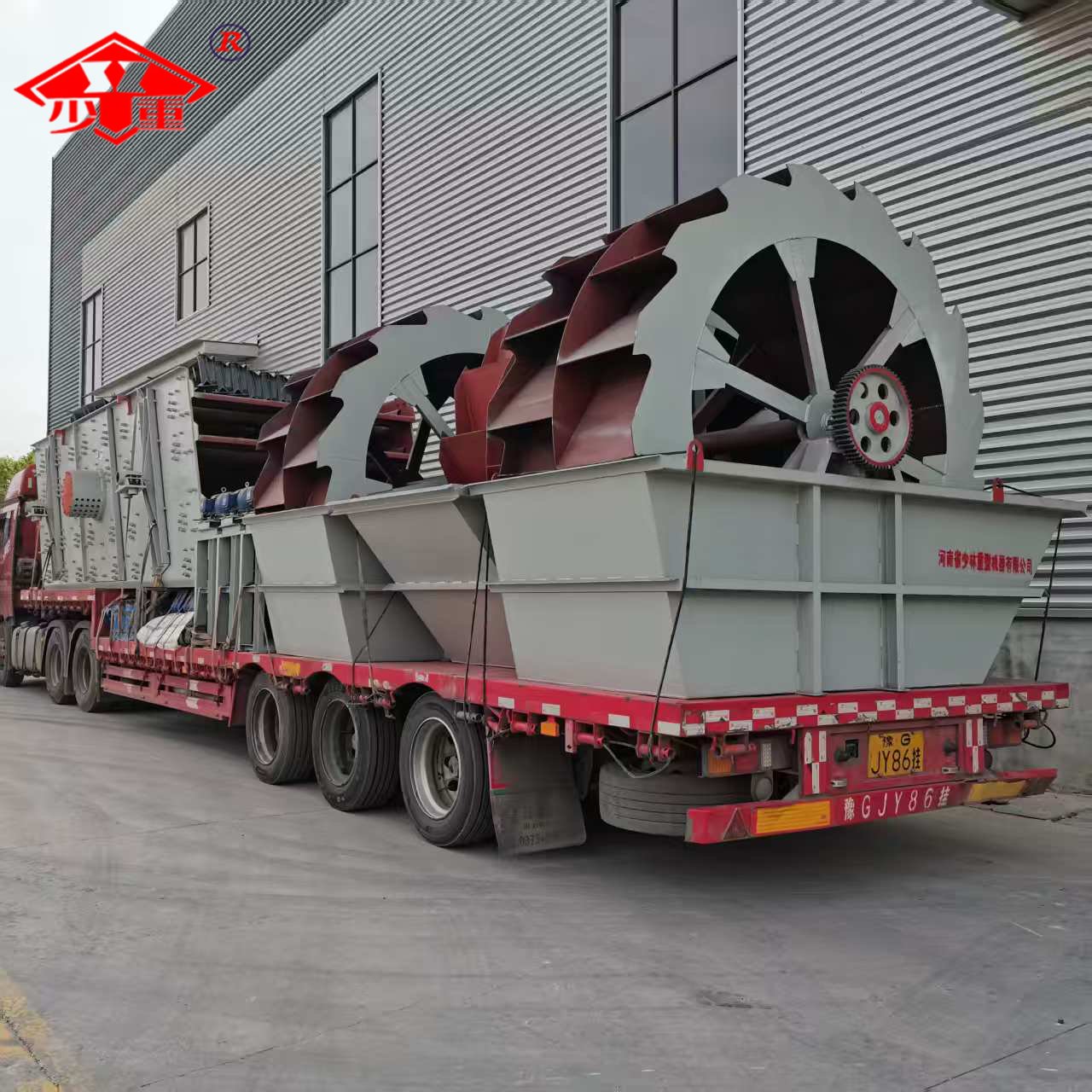
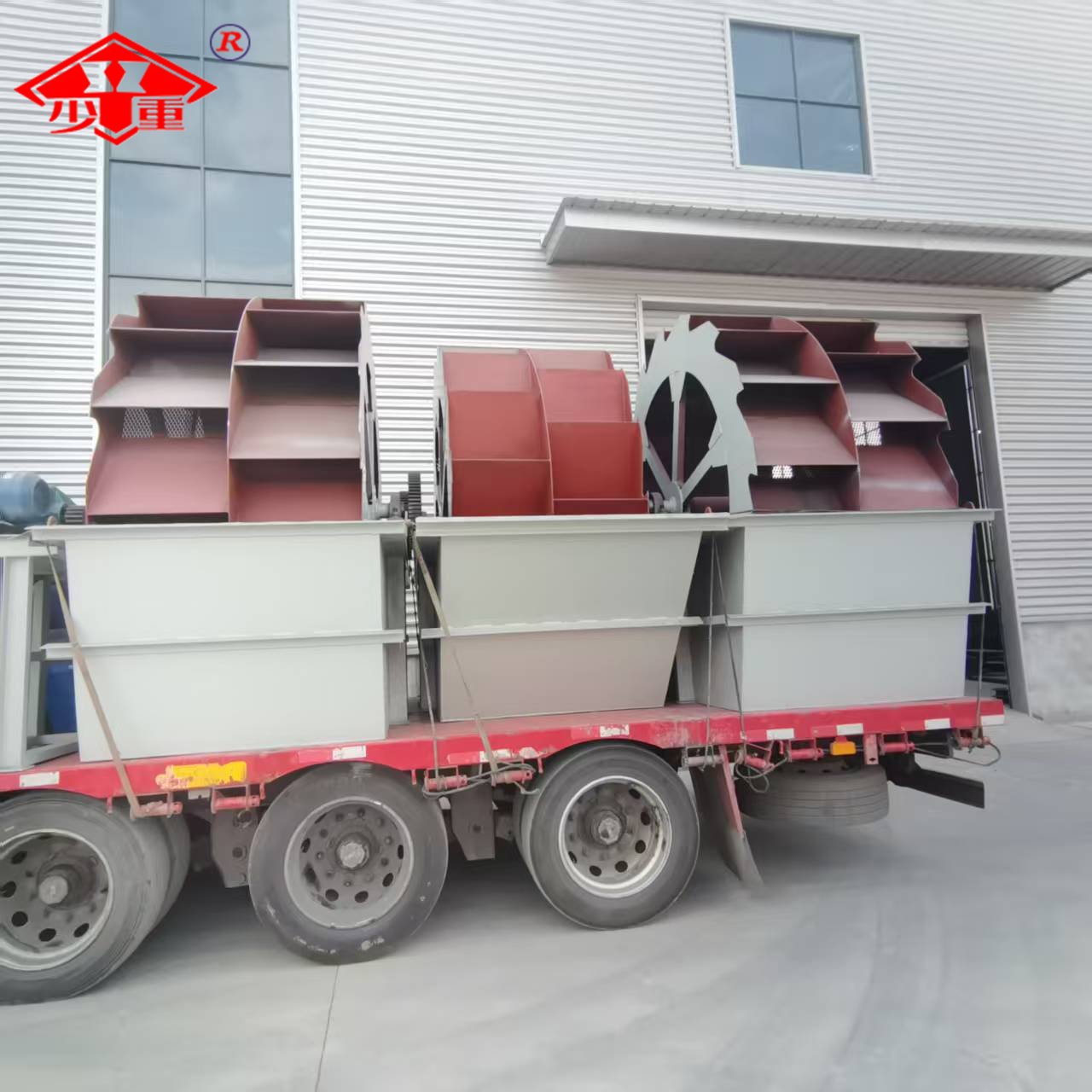
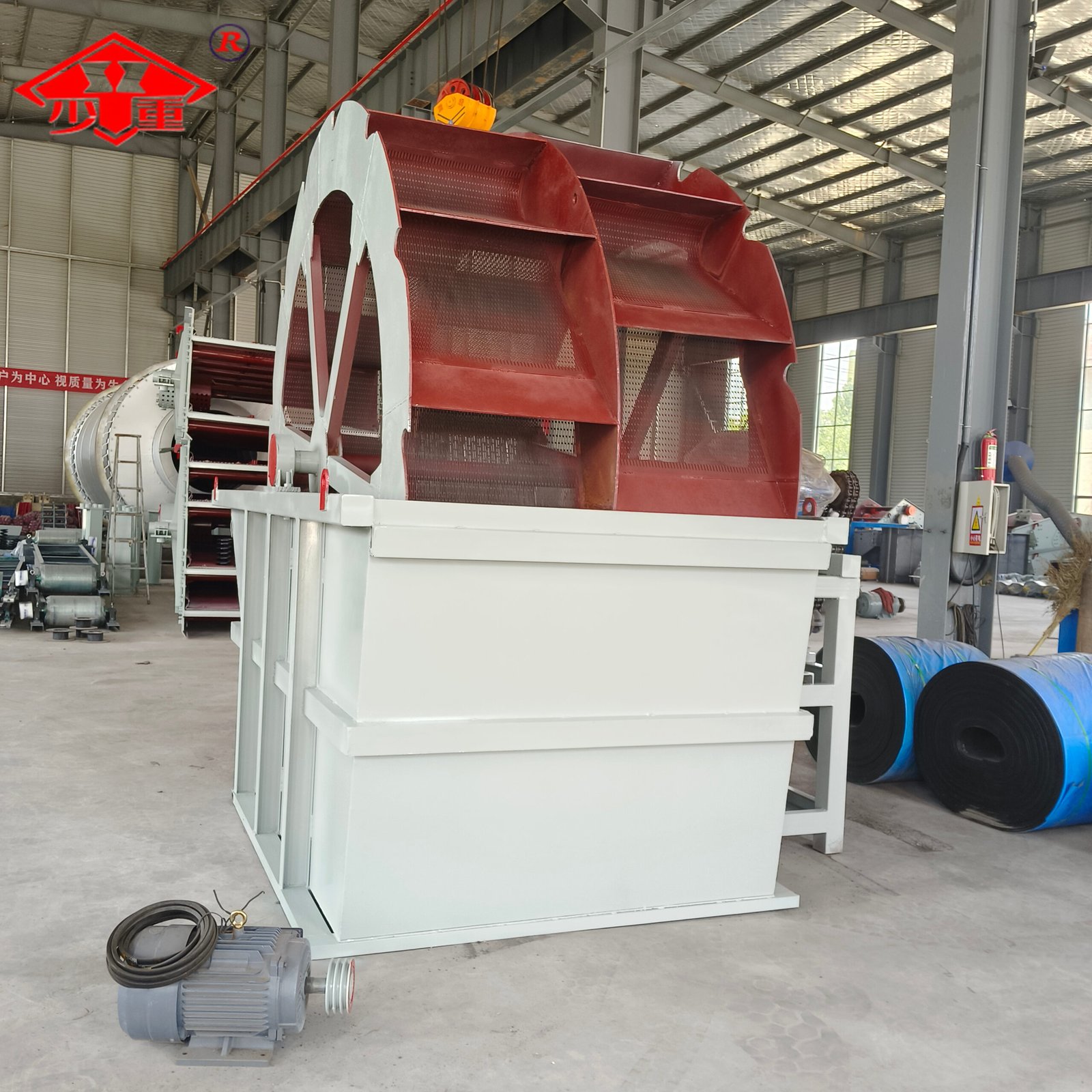
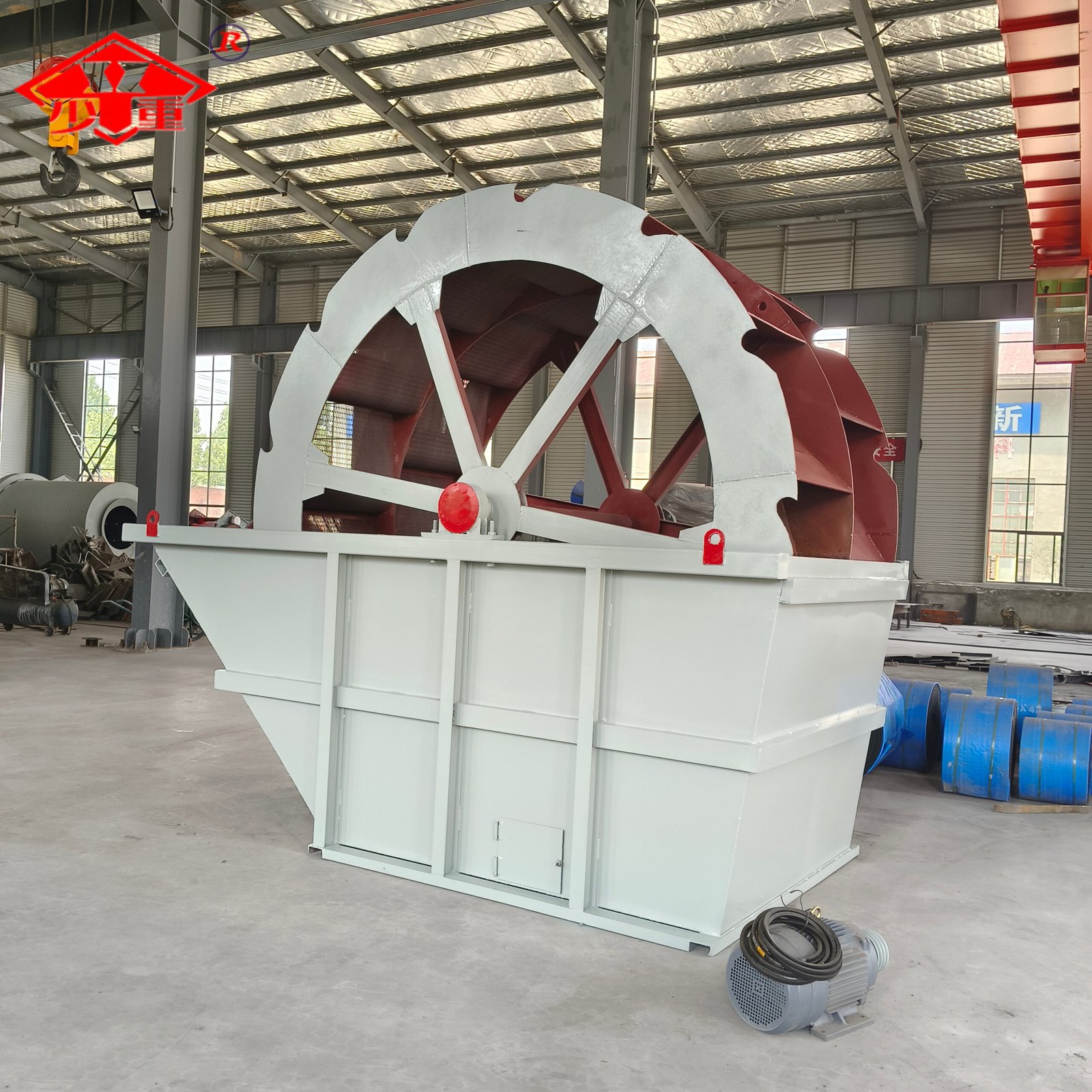
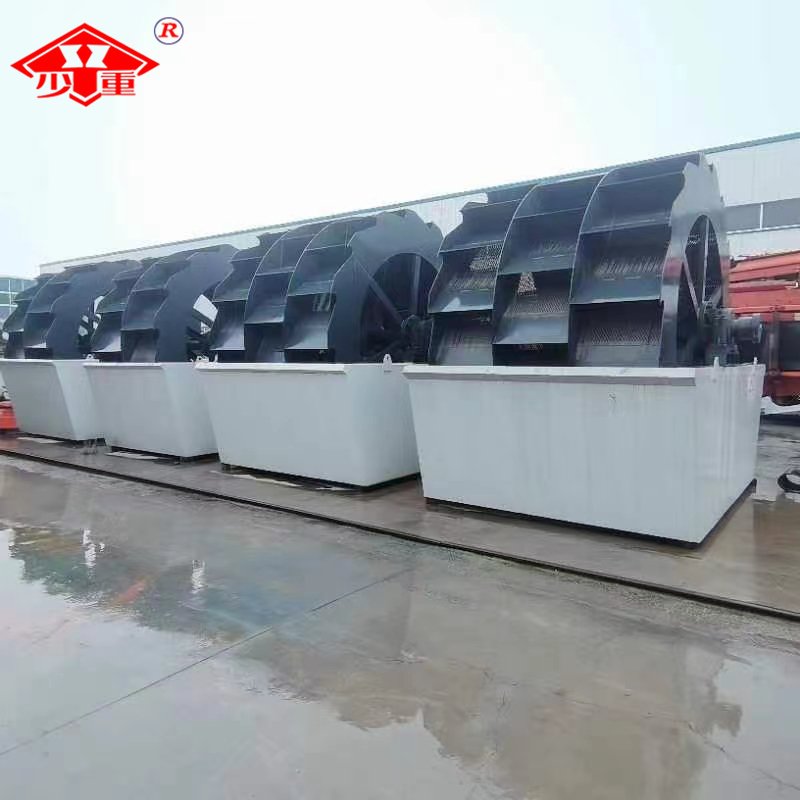
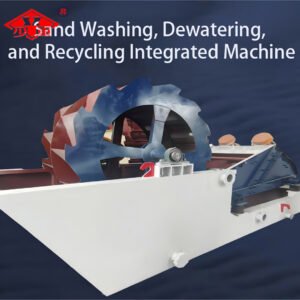
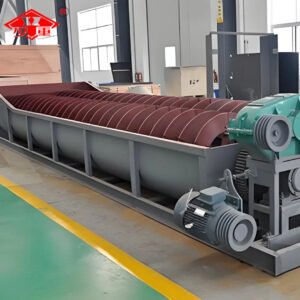
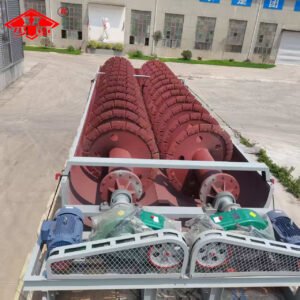
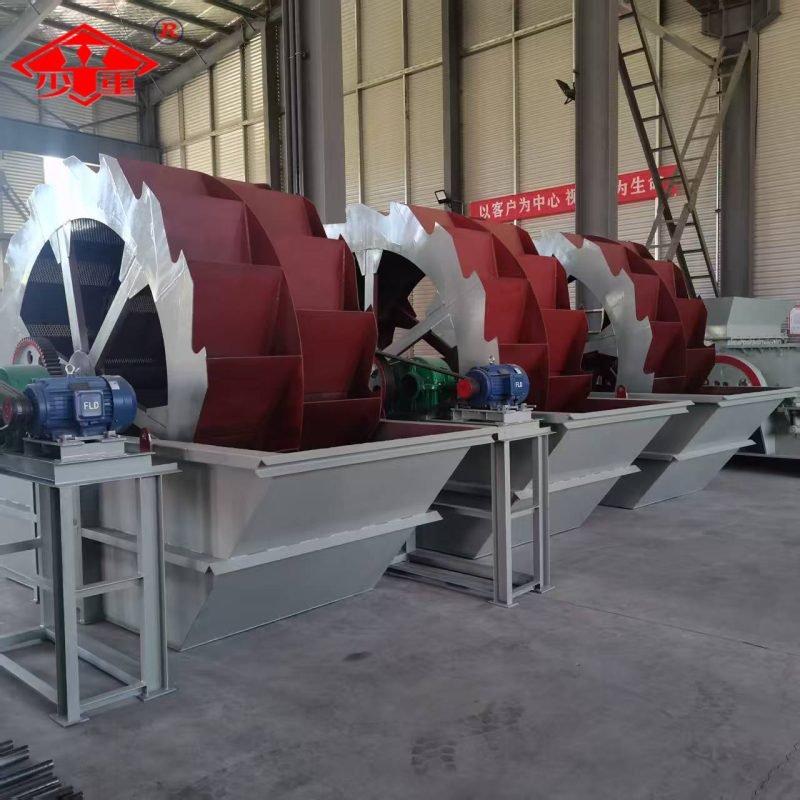
Sand washers are equipment used for washing and sorting sand and gravel (including artificial sand and natural sand). Sand washers are extensively employed in sand and gravel yards, mines, building materials, transportation, chemical engineering, water conservancy and hydropower, concrete mixing stations, and other industries for material washing and sorting. Sand washers are categorised into two types: XS and XL. They remove impurities covering the surface of sand and gravel while disrupting the water vapour layer enveloping sand particles, facilitating dehydration and achieving highly efficient sand washing and cleaning. They serve as washing and sorting equipment for sand, gravel, and slag particles.
Working Principle
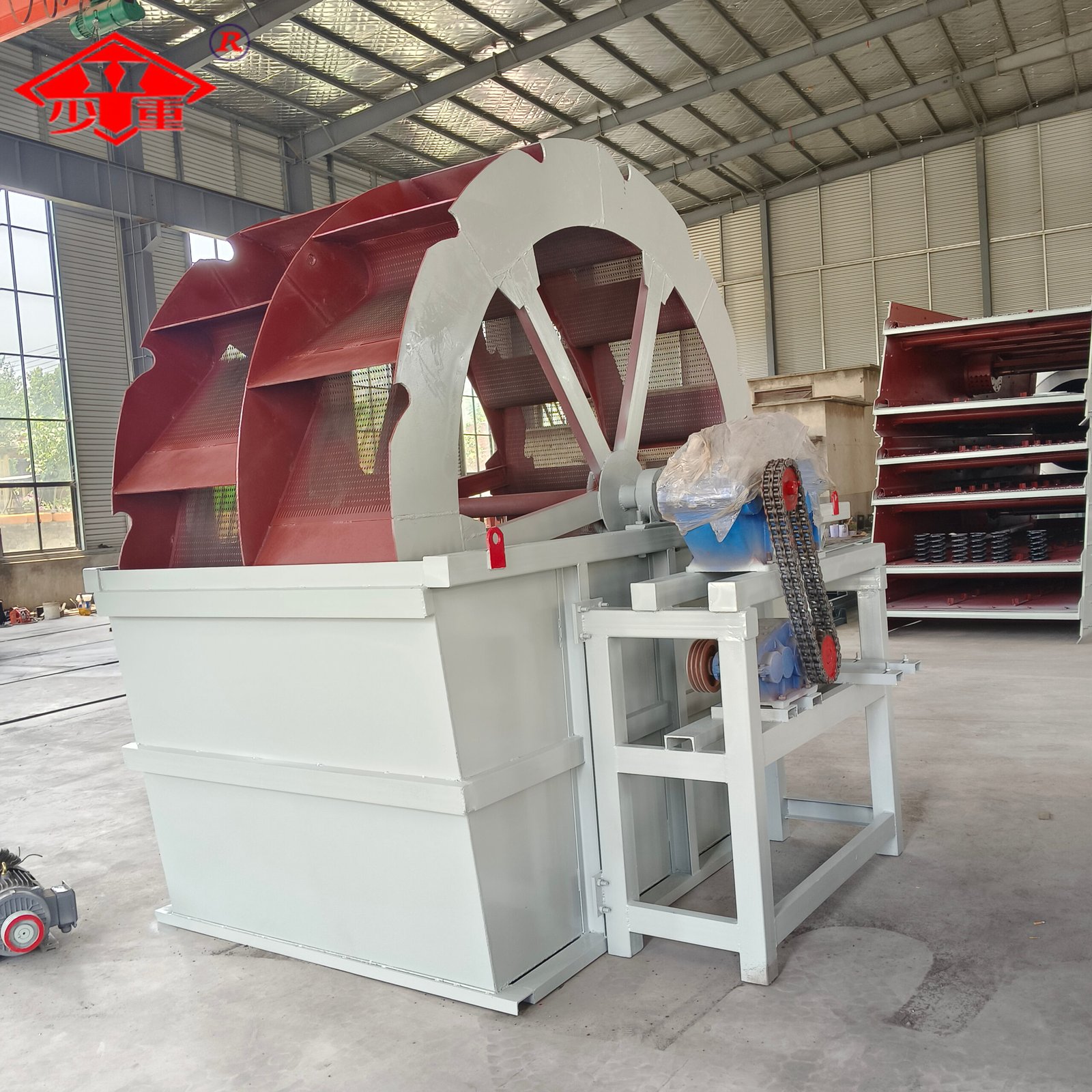
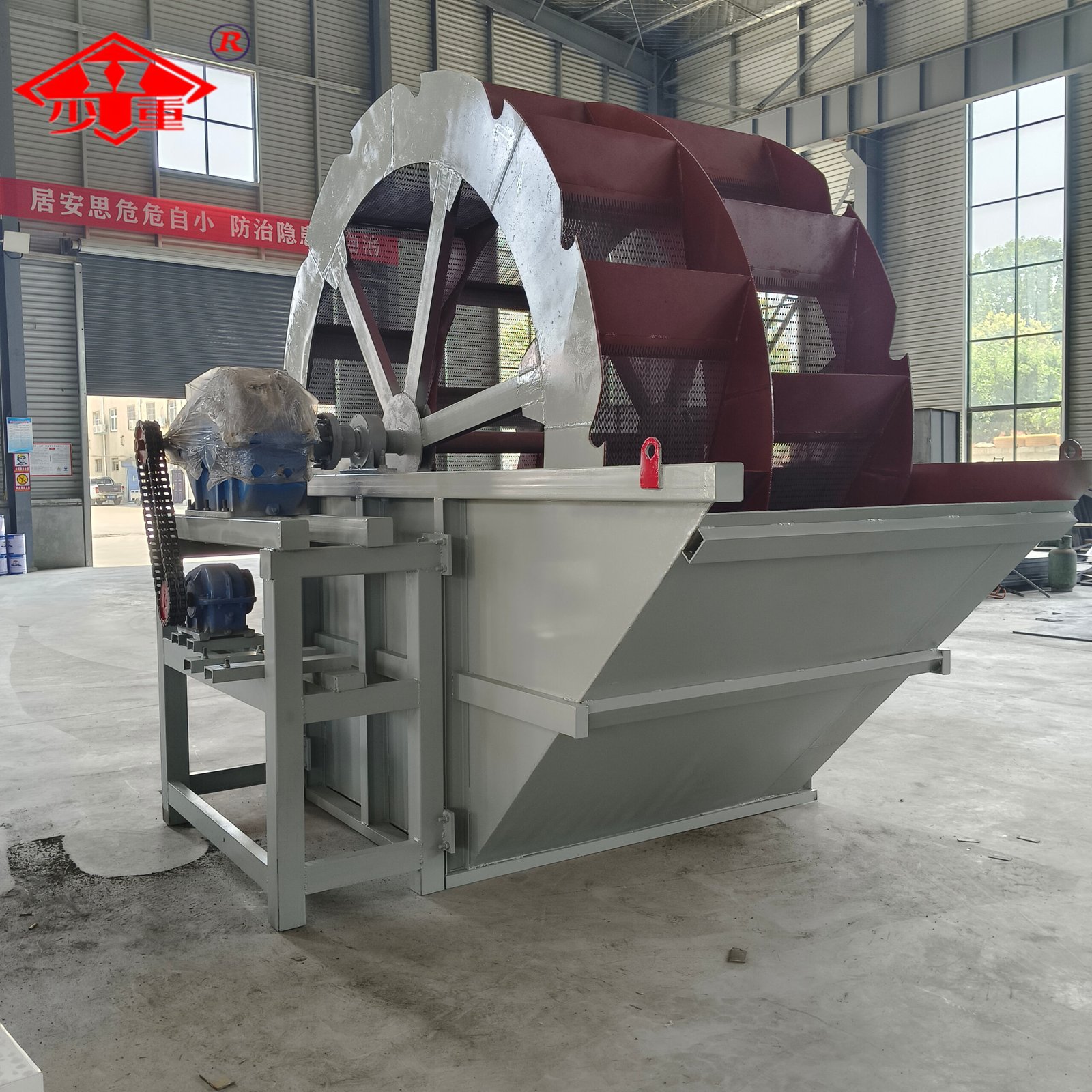
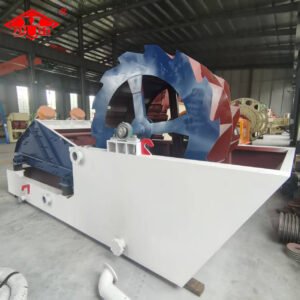
During operation, the motor drives the impeller to rotate slowly via a V-belt, reducer, and gear reduction. Sand and gravel enter the washing tank through the feed chute, where they tumble under the impeller’s action and grind against each other. This removes impurities covering the surface of the sand and gravel while breaking down the water vapour layer enveloping the sand particles, facilitating dewatering. Concurrently, water is introduced to generate a powerful current that promptly carries away impurities and lighter foreign matter, discharging them through the overflow outlet of the washing tank to complete the cleaning process. Clean sand and gravel are conveyed by the blades and ultimately discharged from the rotating impeller into the discharge chute, concluding the washing operation.
The core components of XSD wheel bucket sand washing machine
1. Wheel bucket assembly system
The bucket blades are made of high manganese steel, and the bucket walls are thickened and equipped with replaceable wear-resistant liners to ensure a service life of more than 5,000 hours under harsh working conditions.
2. Transmission system
It is composed of a hard-toothed surface reducer, a gear transmission mechanism and a bearing housing, with a protection level of IP65, which effectively adapts to the humid and dusty working environment.
3. Water tank tank structure
It is welded and formed by 8mm thick steel plate, and wear-resistant rubber liners are laid inside, which not only reduces working noise but also prevents equipment corrosion and prolongs the service life.
4. Fine sand recovery device
It includes a sedimentation tank, a recovery pump and a cyclone three-stage recovery system, which can effectively recover fine sand particles above 0.15mm, with a recovery rate of more than 85%.