
Product Overview
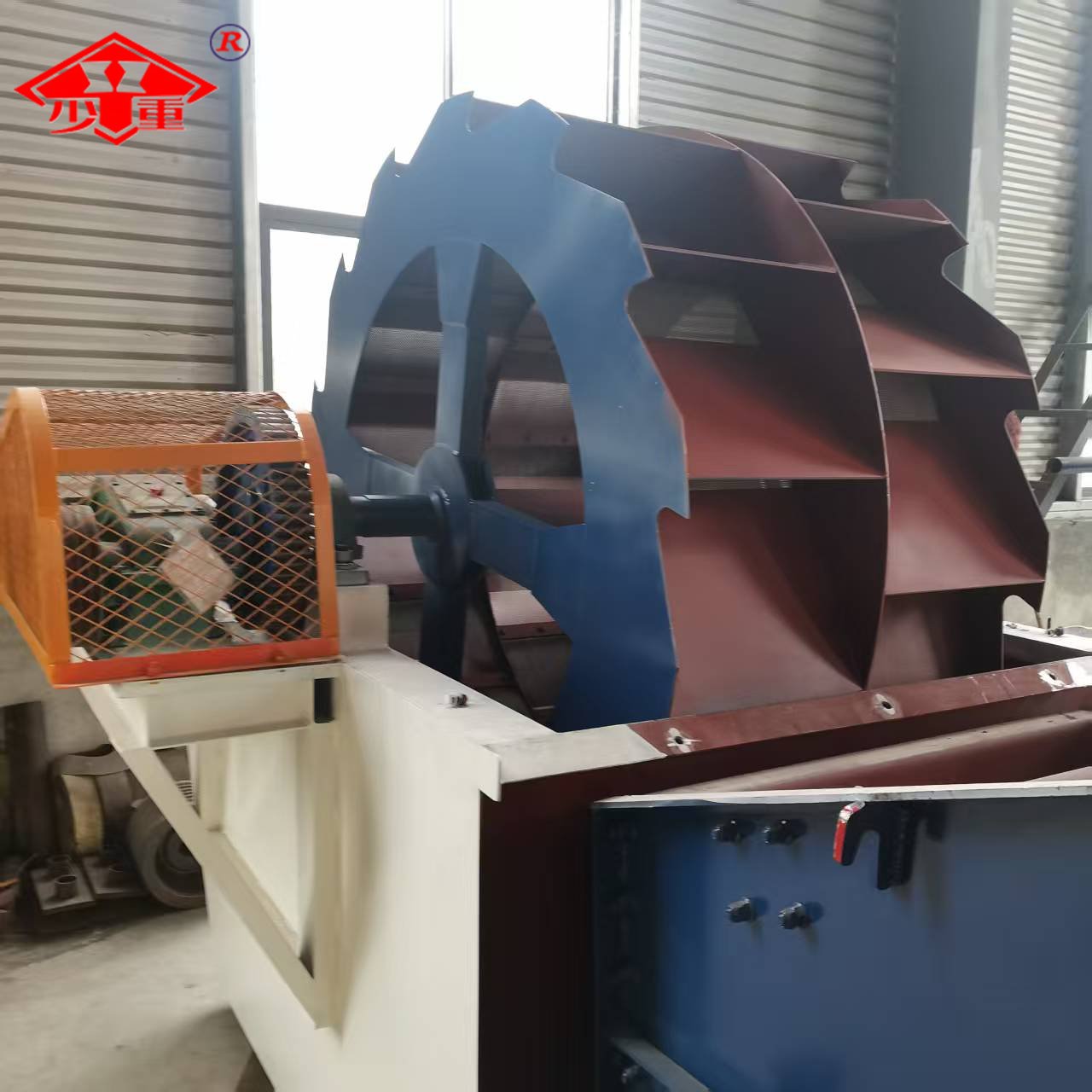
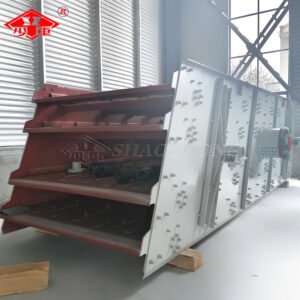
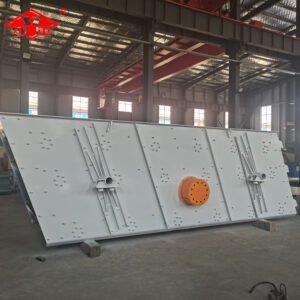
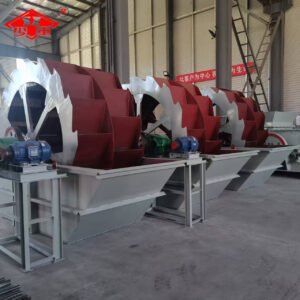
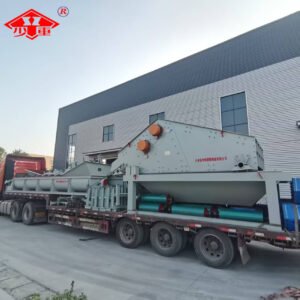
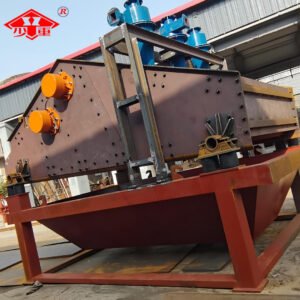
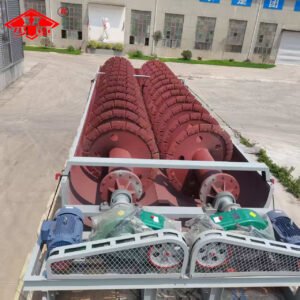
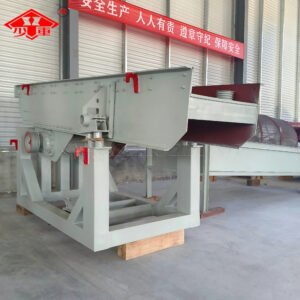
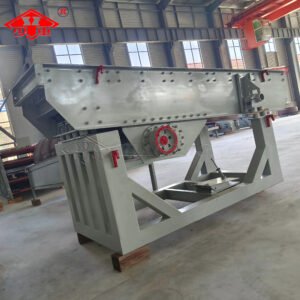
The integrated sand washing and dewatering machine is an industrial apparatus combining sand washing and dewatering functions, primarily employed for processing manufactured or natural sand. It enhances sand quality through mechanical vibration principles and multi-stage screening processes. Comprising components such as a dewatering screen, bucket wheel, and washing tank, the unit employs dual-motor driven high-frequency vibration technology to separate silt from sand, reduce moisture content, and minimise impurity levels. Characterised by low energy consumption and mobile convenience, its applications span mineral processing, coal, mining, construction, and chemical industries.
Currently, both manufactured and natural sand undergo processing through conventional washing equipment available on the market. However, such equipment is often outdated and inefficient, producing substandard sand (e.g., high moisture content, excessive silt, significant dust, and stubborn impurities) that significantly diminishes both quality and market value. To address this critical industry challenge, manufacturers have leveraged years of practical experience to develop the XS Sand Washing and Dewatering Integrated Machine. This innovation successfully resolves the issue of poor sand quality.
Working Principle
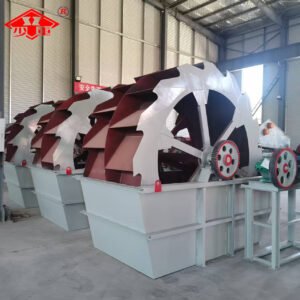
1. Feeding and soaking stage: The sand and water mixture enters the sand washing tank evenly through the feeding port, and is fully soaked under the rotation of the wheel bucket, so that the soil and impurities on the surface of the sand are preliminarily separated and softened.
2. Stirring and cleaning stage: The continuous rotation of the wheel bucket drives the sand to roll violently in the water and rub it, while the high-pressure water flow washes the surface of the sand from different angles to completely remove the impurities attached to the sand particles.
3. Lifting and dewatering stage: The cleaned sand is lifted to the outlet by the wheel bucket blades, and the natural dehydration is completed during the lifting process, and the water is discharged through the sieve hole, and the water content of the sand is significantly reduced.
4. Fine sand recovery stage: The sewage enters the sedimentation tank through the overflow weir, and the fine sand settles in the sedimentation tank and is sent back to the cleaning system by the recovery device to maximize the recycling of fine sand.
-
The core components of the sand washing and dehydration machine
1. Wheel bucket assembly system
The bucket blades are made of high manganese steel, and the bucket walls are thickened and equipped with replaceable wear-resistant liners to ensure a service life of more than 5,000 hours under harsh working conditions.
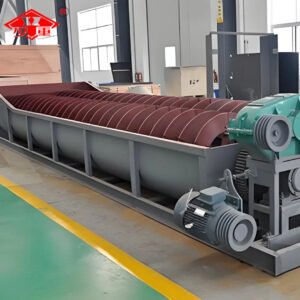
2. Transmission system
It is composed of a hard-toothed surface reducer, a gear transmission mechanism and a bearing housing, with a protection level of IP65, which effectively adapts to the humid and dusty working environment.
3. Water tank tank structure
It is welded and formed by 8mm thick steel plate, and wear-resistant rubber liners are laid inside, which not only reduces working noise but also prevents equipment corrosion and prolongs the service life.
4. Fine sand recovery device
It includes a sedimentation tank, a recovery pump and a cyclone three-stage recovery system, which can effectively recover fine sand particles above 0.15mm, with a recovery rate of more than 85%.
5. Electronic control system assembly
Equipped with overload protection device and automatic lubrication system, it realizes the automatic operation of equipment and fault alarm function, ensuring safe and easy operation.