Product Overview
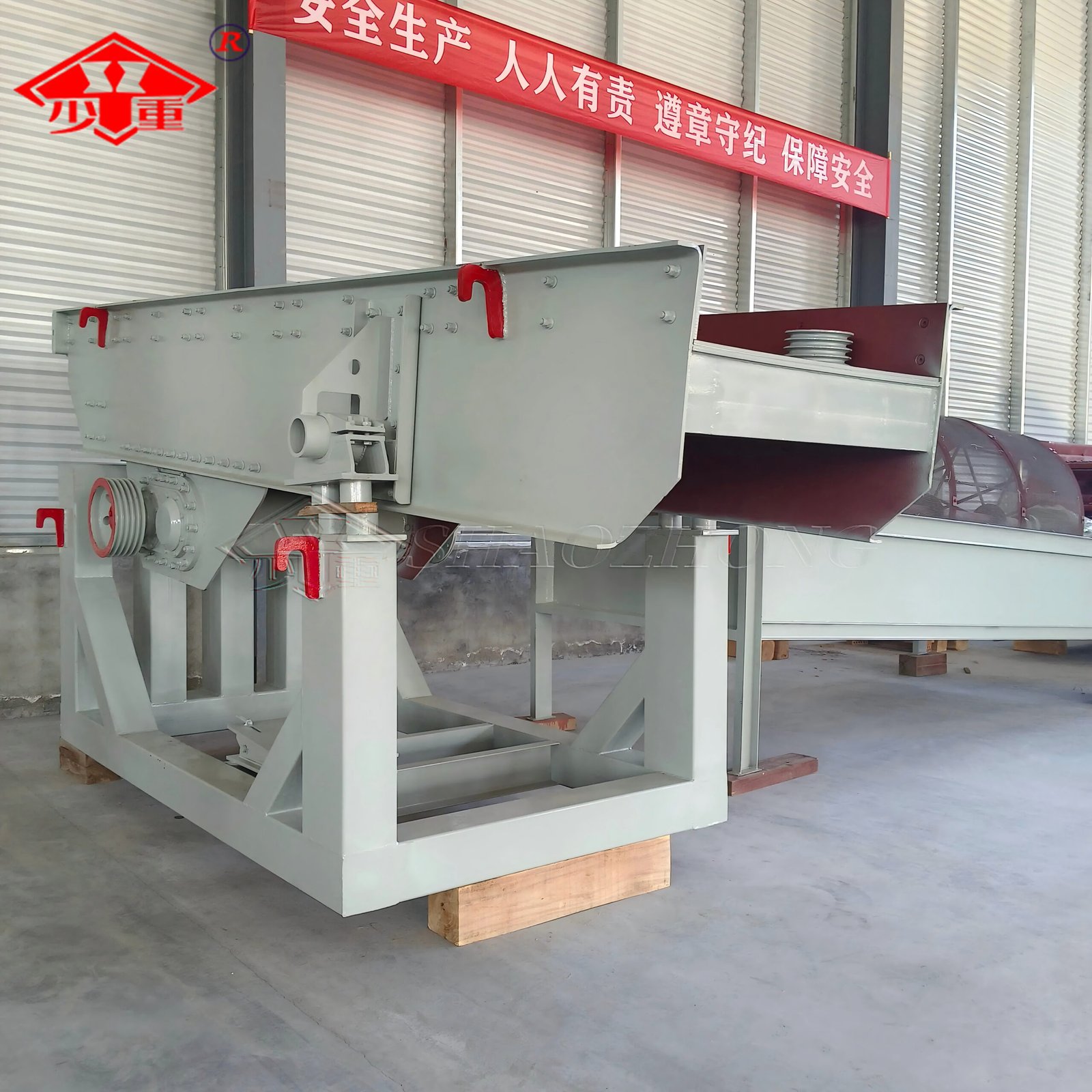
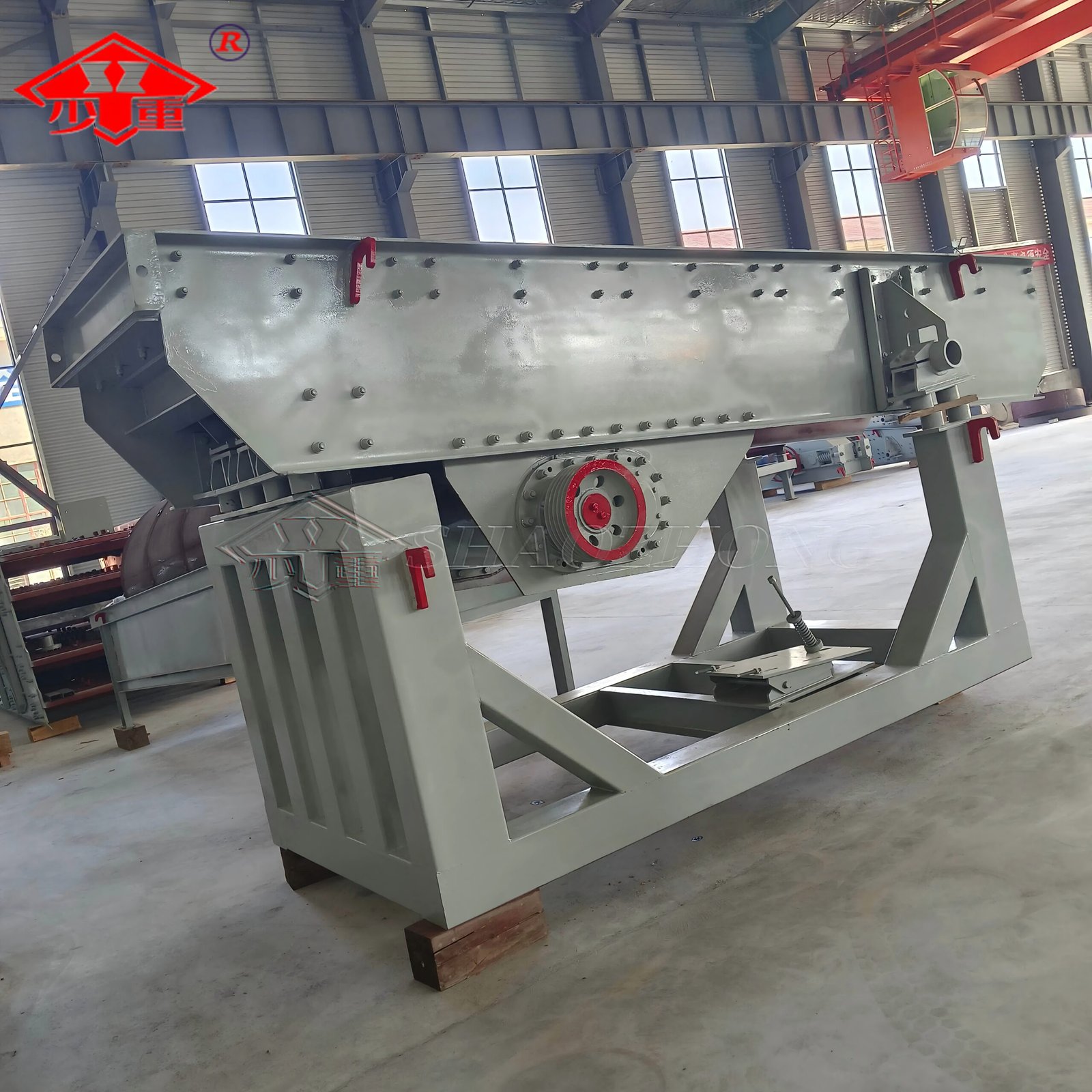
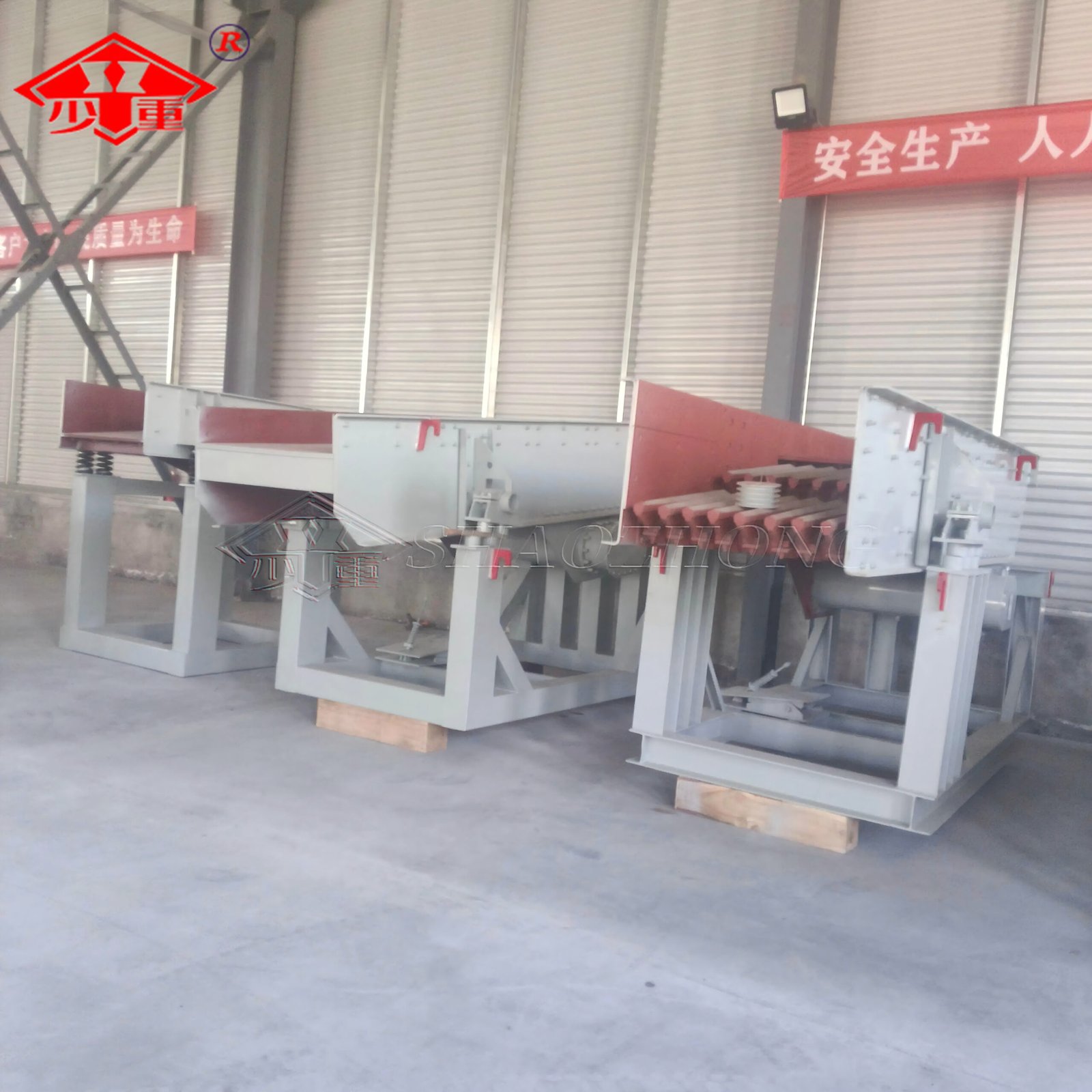
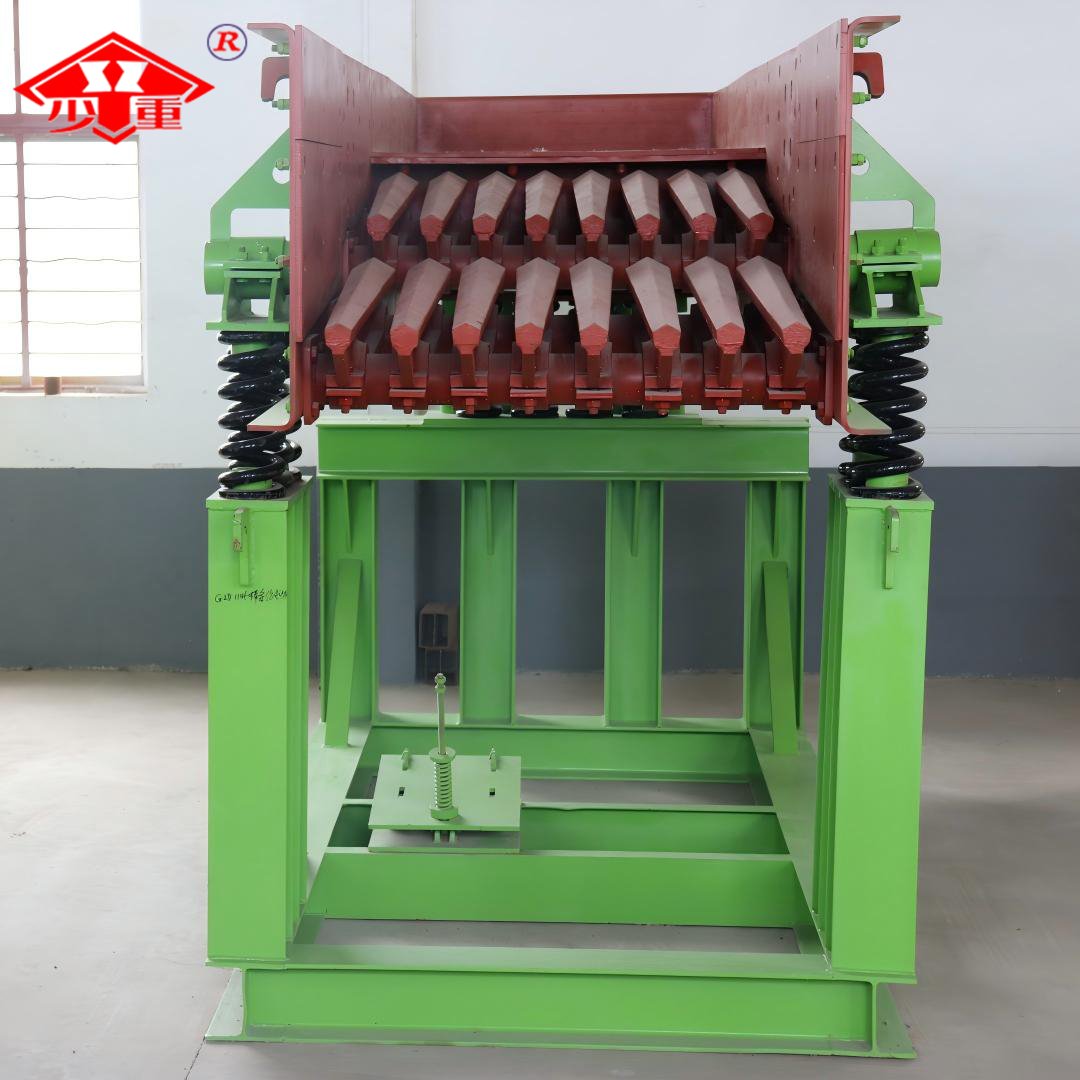
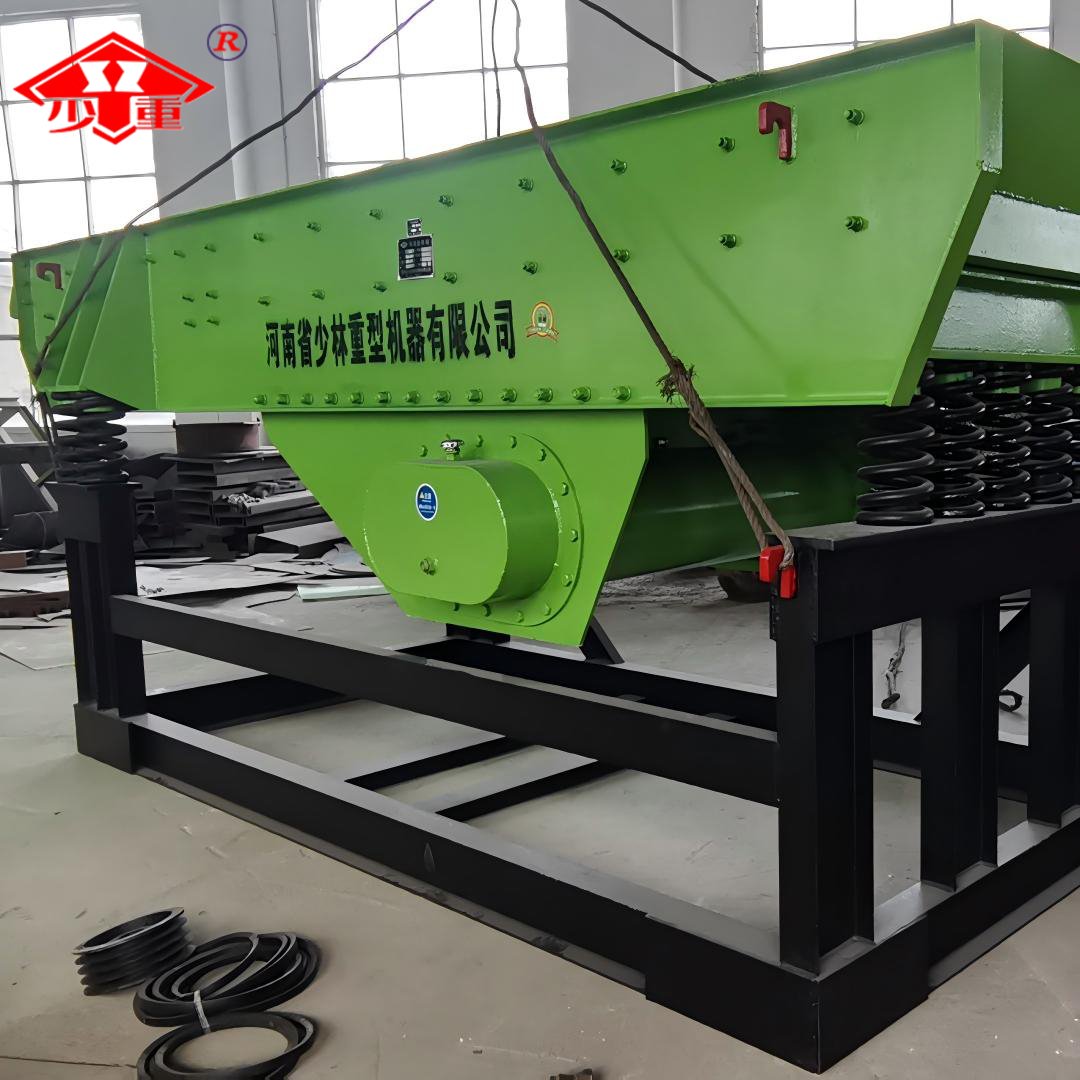
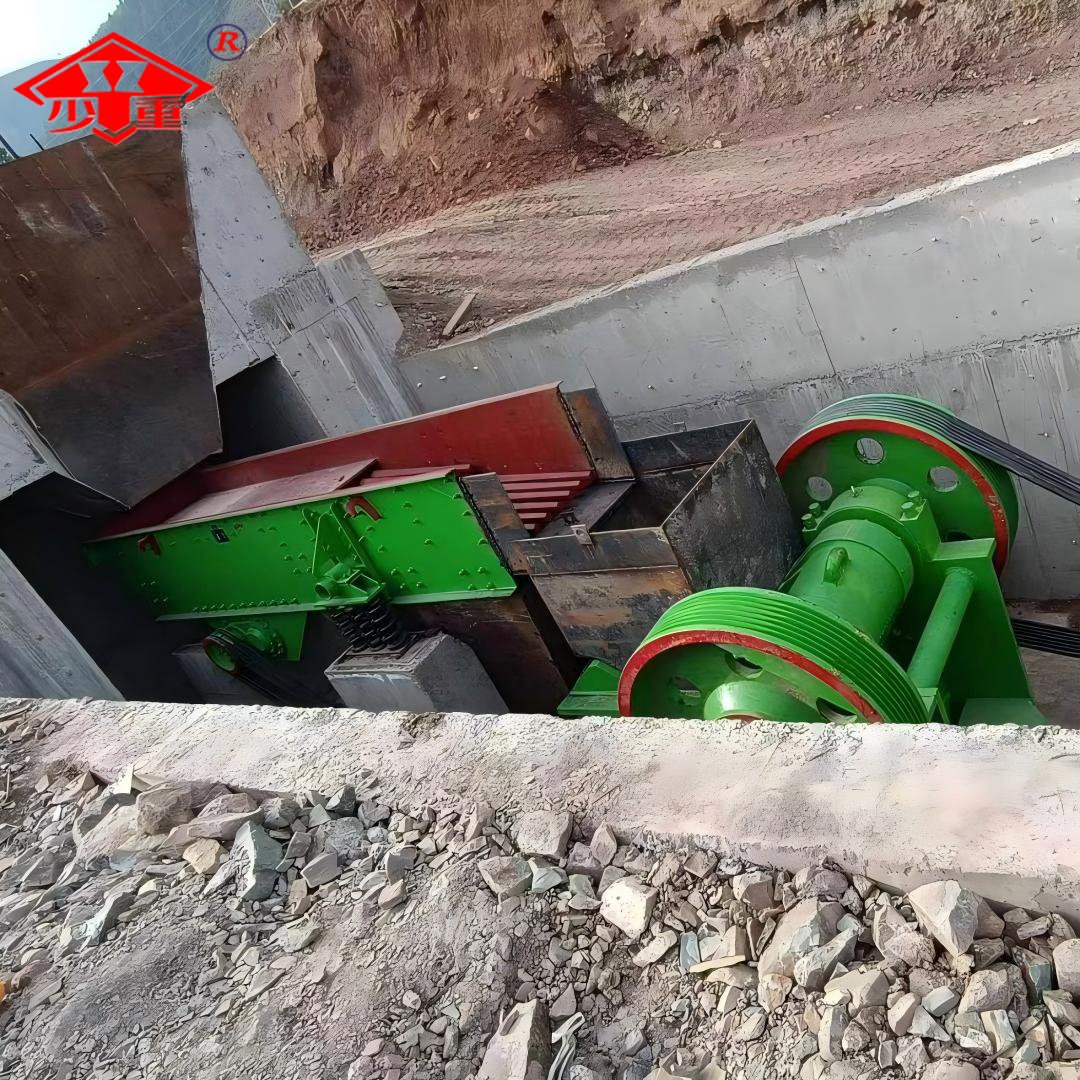
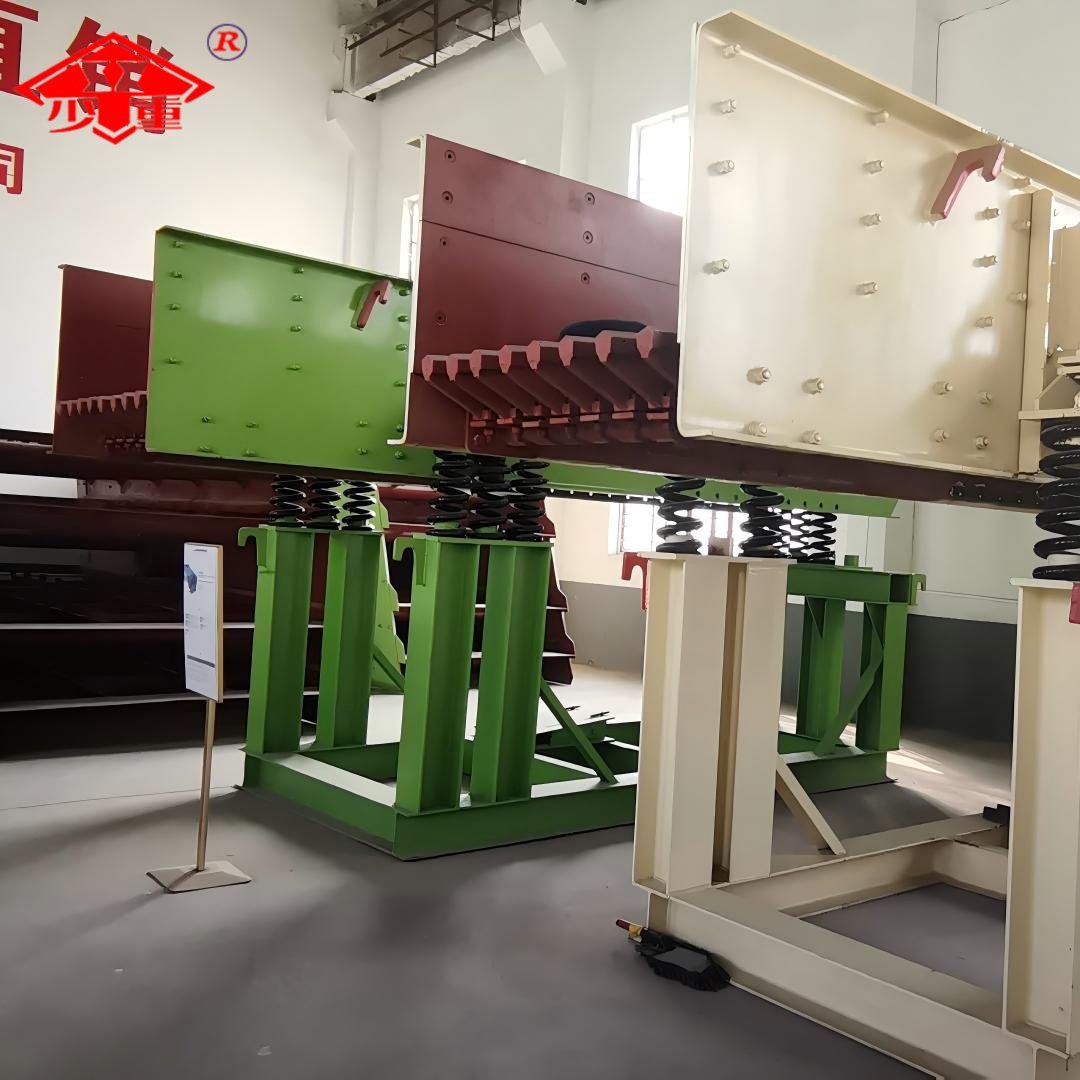
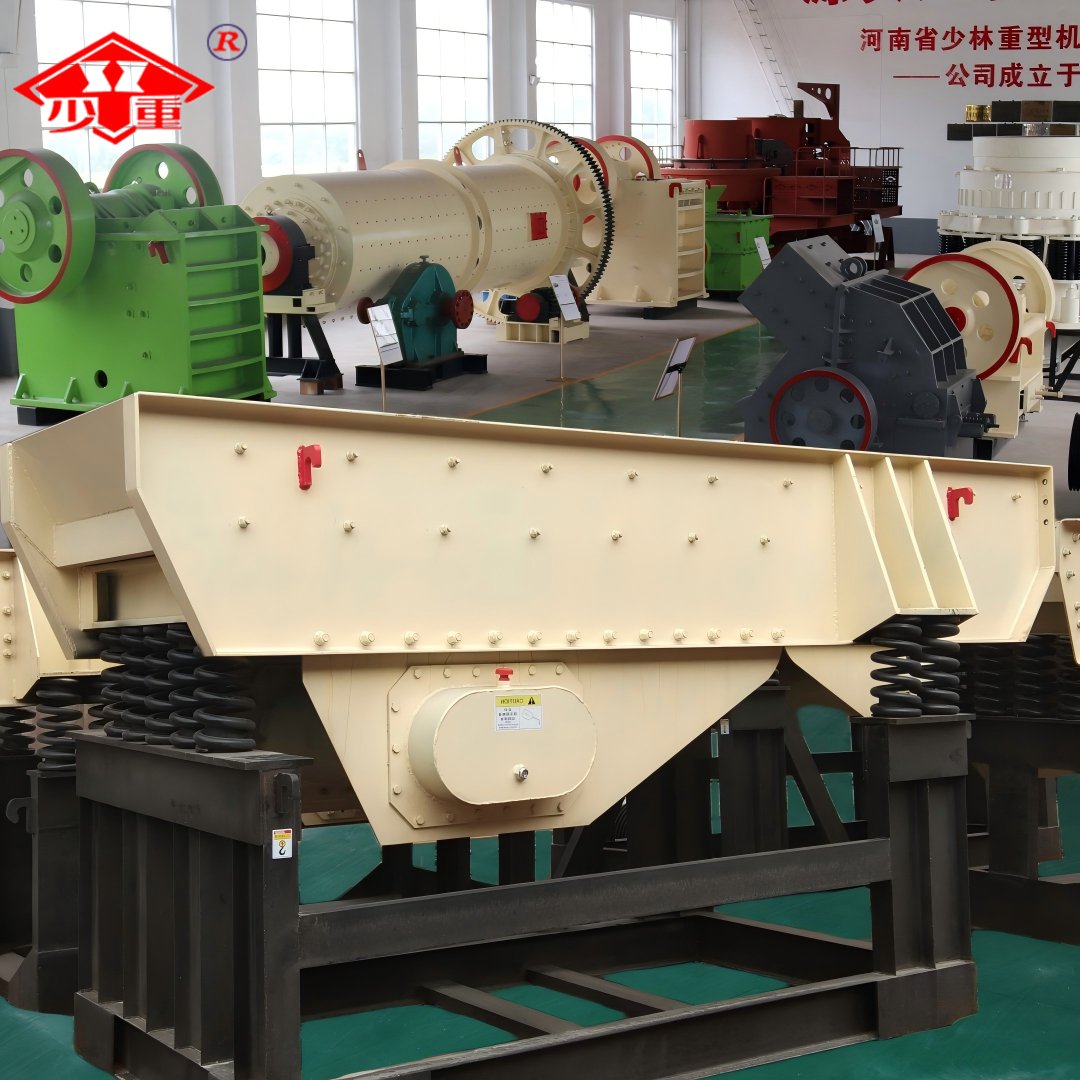
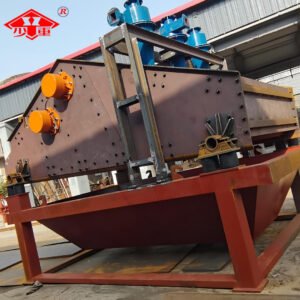
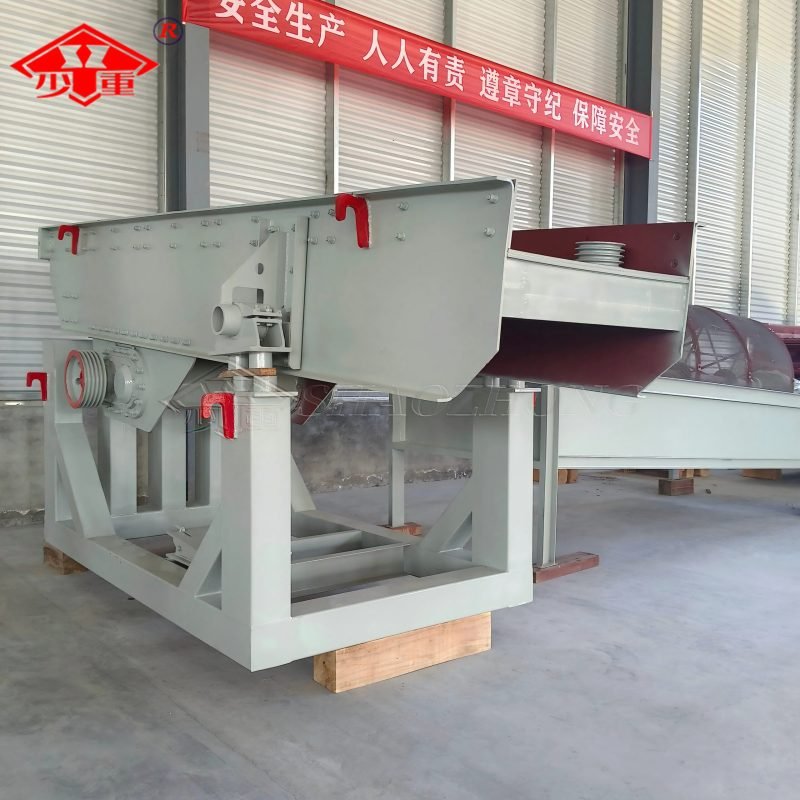
Vibrating feeders are indispensable uniform feeding equipment in modern industrial production, playing a key role in the field of material conveying with their efficient and stable performance. The equipment adopts dual vibration motors as the excitation source, and generates directional excitation force through the synchronous reverse rotation of the two motors, driving the feeding trough body to periodically reciprocating vibration in a certain direction, so as to realize the continuous and uniform transportation of materials. Its unique vibration principle allows the material to be thrown up and move forward in the tank, effectively preventing material clogging, especially suitable for handling materials with certain viscosity or moisture. The equipment adopts a grid design to realize the preliminary screening of materials, and the fine materials are pre-separated during the feeding process. The vibrating feeder has the characteristics of stable feeding, low energy consumption, low noise, and easy maintenance, and can easily control the feeding amount by adjusting the excitation force to meet the feeding needs under different working conditions, making it an ideal pretreatment equipment in the crushing and screening system.
Working Principle
When the vibrating feeder is working, the motor uses the V-belt to make the exciter eccentric block rotate at high speed. The running eccentric block generates a large centrifugal force, which stimulates the screen box to produce a circular motion of a certain amplitude, and the material on the screen is affected by the impulse transmitted by the screen box on the inclined screen surface to produce a continuous throwing motion.
ZSW vibrating feeder core components
1. Feeding tank:
Manufactured with high-strength steel plates, wear-resistant liners can be added according to the characteristics of the material, and the tank structure is optimally designed to ensure the smooth passage of materials.
2. Vibration motor set:
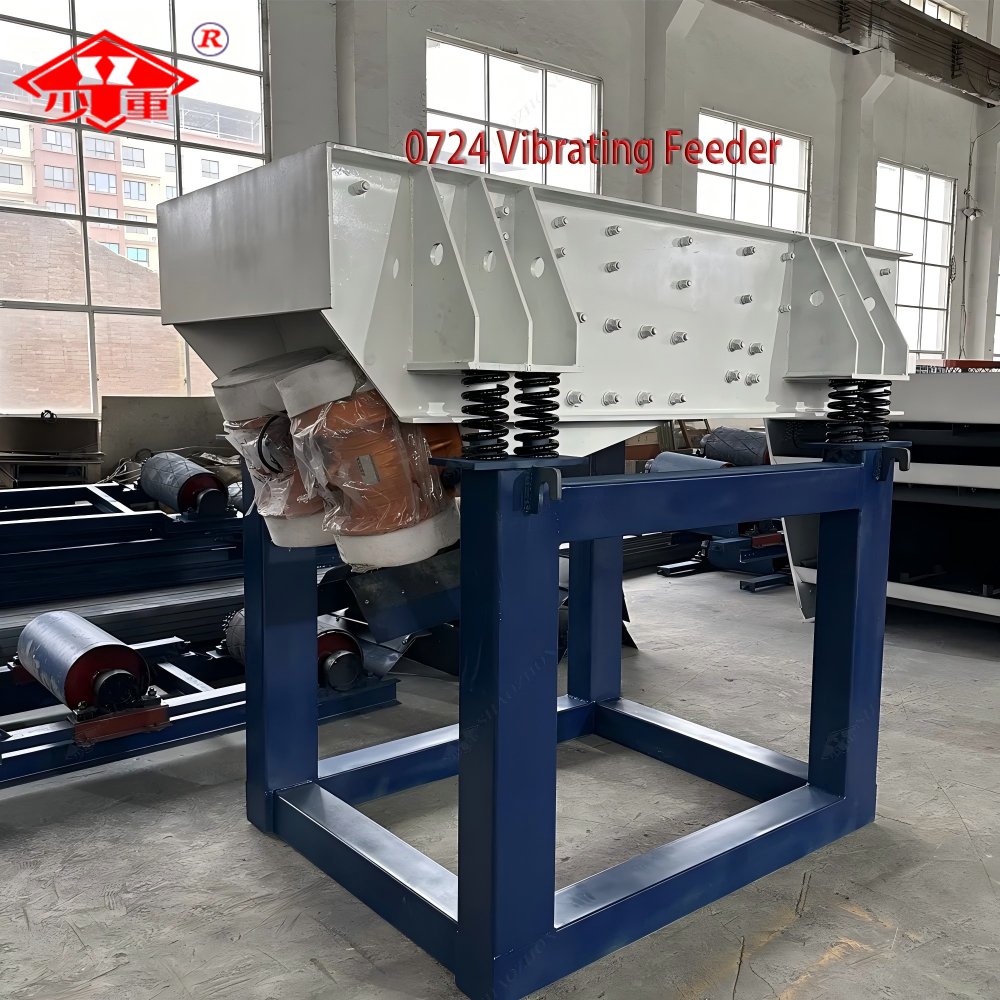
The core power source consists of two special vibration motors, which generate directional excitation force through synchronous counter-rotation.
3. Vibration damping system:
Rubber springs or coil springs are used as vibration damping elements to effectively isolate most of the vibration transmission to the foundation and ensure the stable operation of the equipment.
4. Bracket hanging device:
There are two installation methods: rigid bracket or flexible hanging, which adapts to the needs of different on-site working conditions.
5. Control system:
Optional frequency conversion control cabinet to realize stepless adjustment of feeding volume and remote automatic control.