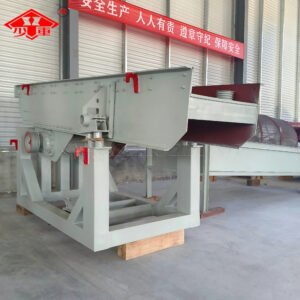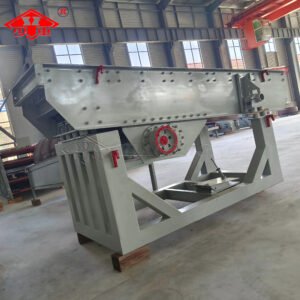

Product Overview
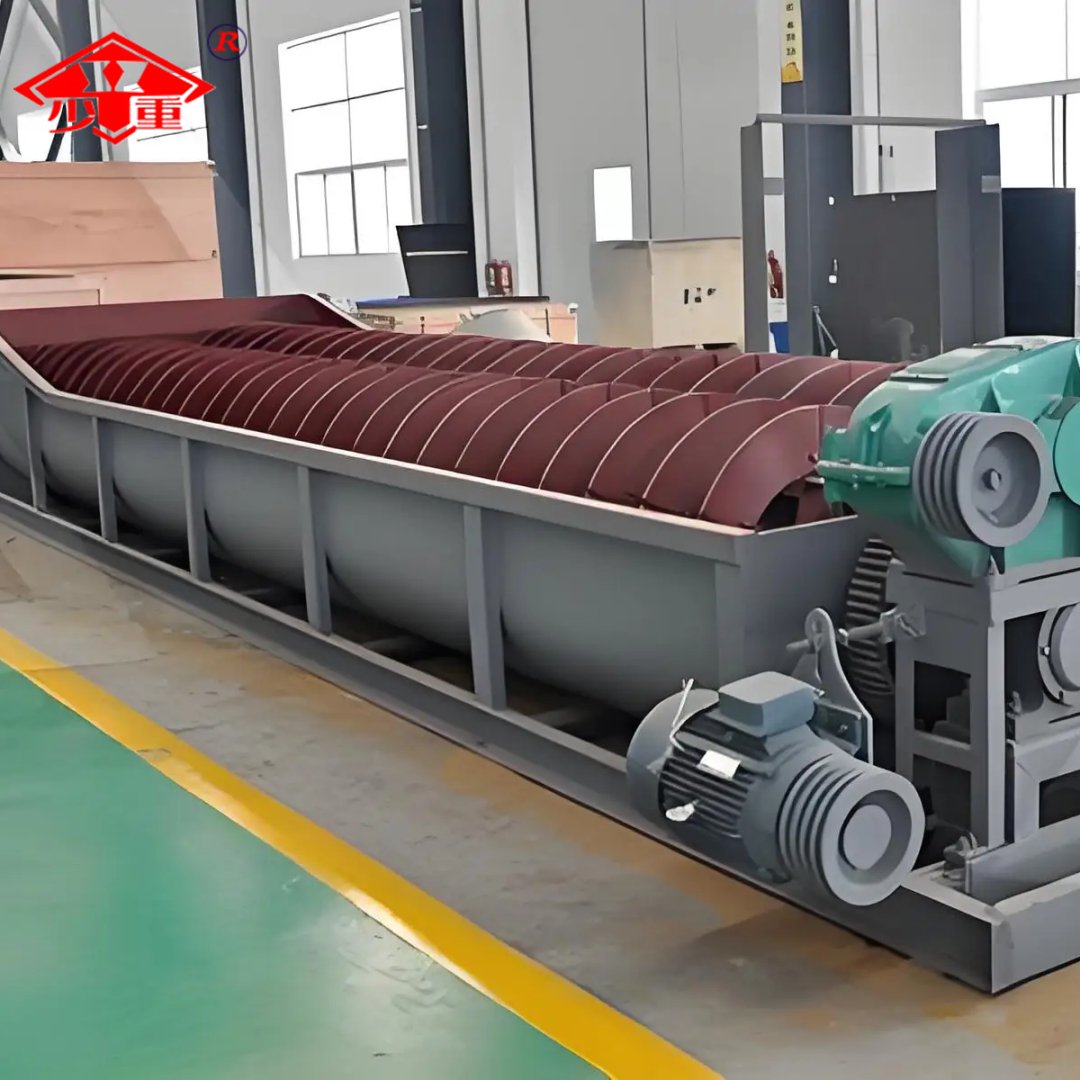
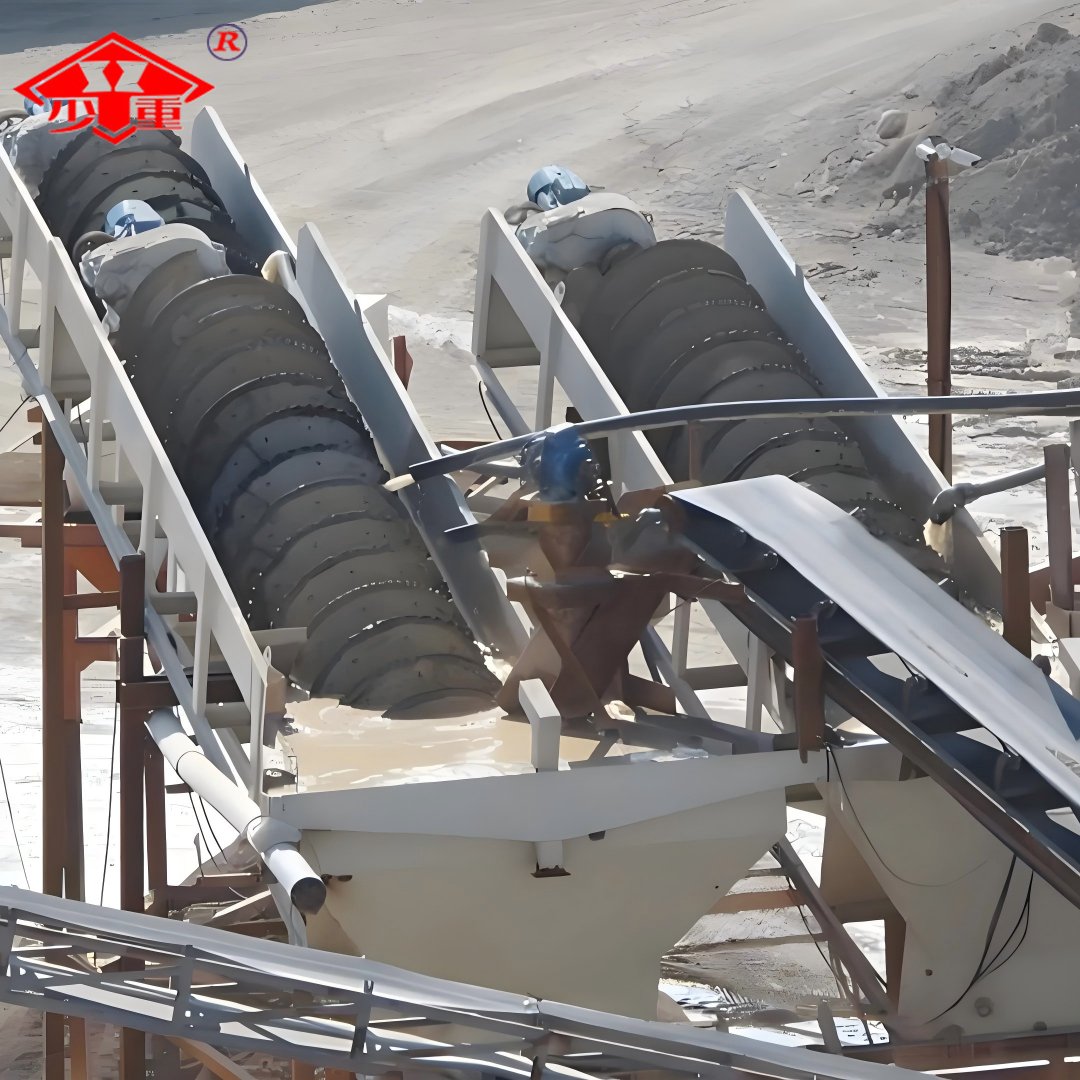
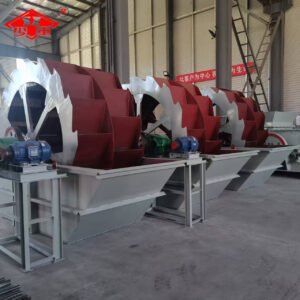
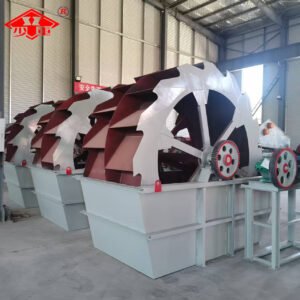
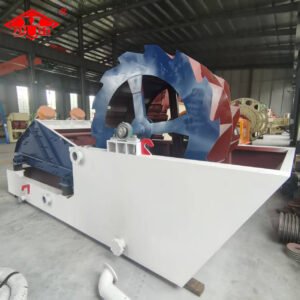
The spiral sand washer is a type of sand washing equipment that primarily agitates sand and gravel through its internal spiral mechanism. This action mixes the silt within the aggregate with water, which is then discharged through the outlet on the equipment. Meanwhile, the sand and gravel are progressively screened by the spiral mechanism and discharged through the discharge port at the top, thereby achieving the cleaning and screening effect for the aggregate.
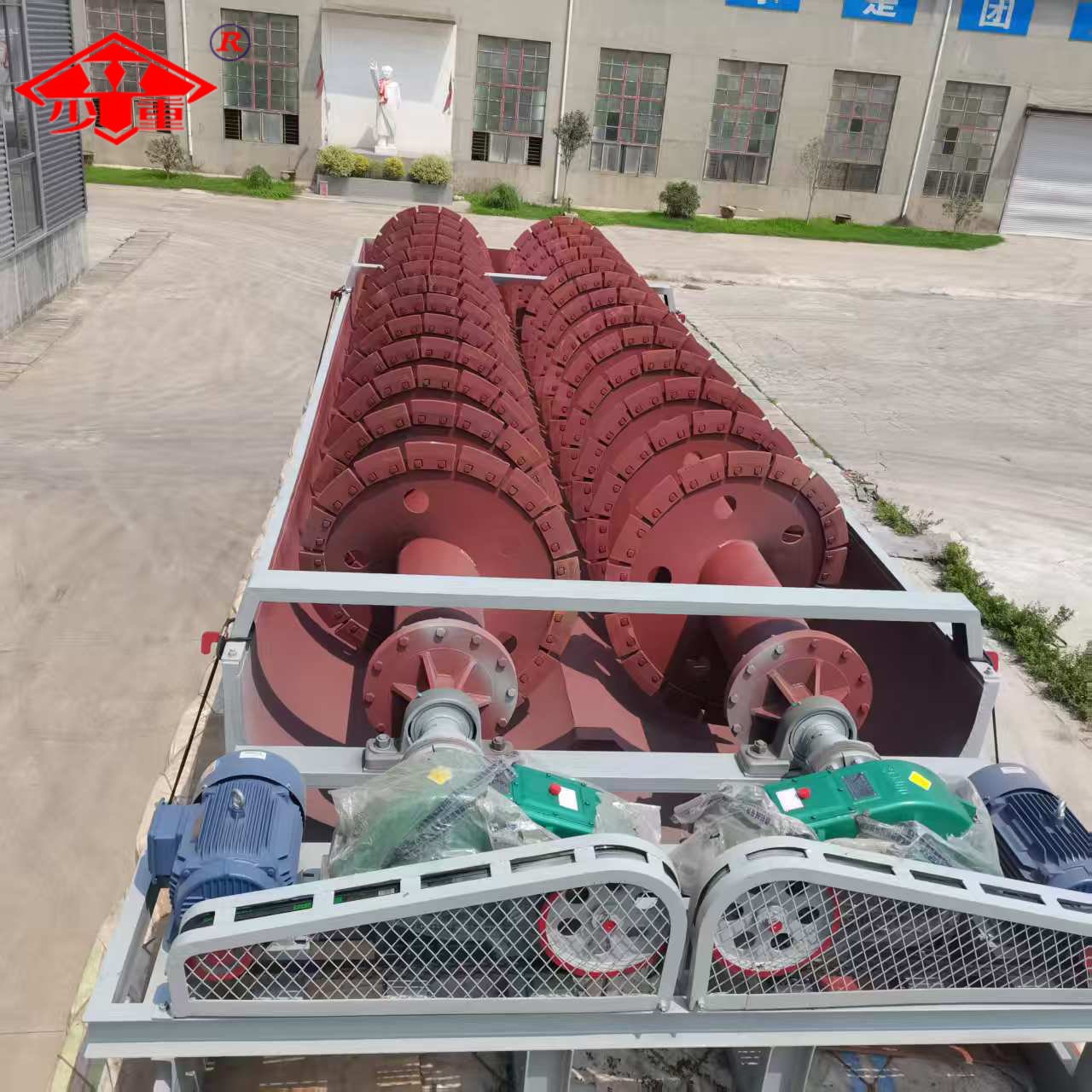
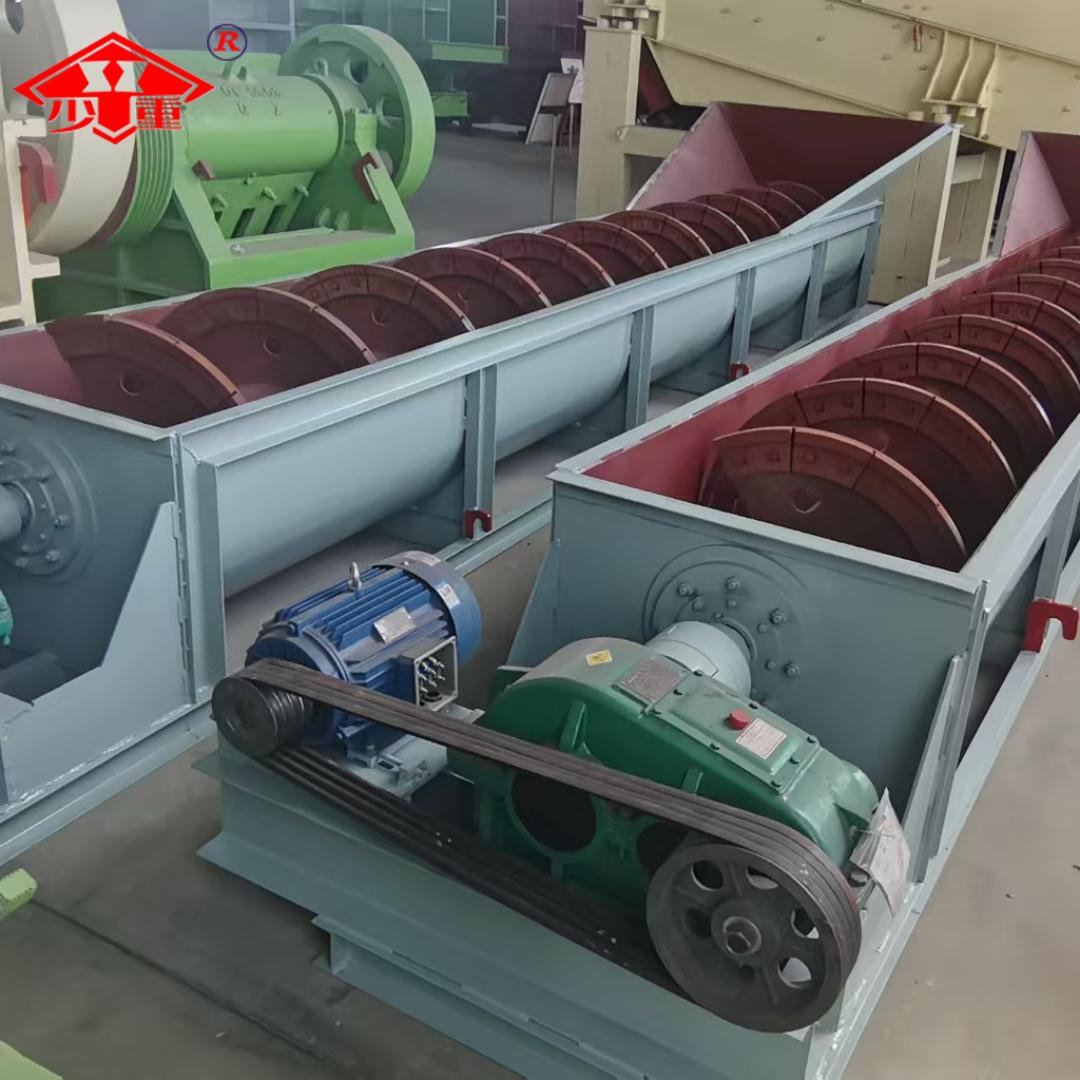
Spiral sand washers are categorised into single-spiral and double-spiral types. They are primarily employed in the washing, grading, and impurity removal processes within industries such as road construction, hydropower, and building, as well as for washing fine and coarse-grained materials. Characterised by low power consumption and high cleaning efficiency, these machines feature robust sealing structures, fully enclosed transmission systems, and adjustable weir plates. These design elements ensure high efficiency, durability, effective cleaning and dewatering performance, and stable output of fine-grained products.
Working Principle
1. Feeding and Soaking Stage: Aggregate materials are uniformly fed into the washing tank via the feeding device. Under thorough immersion in water flow, surface mud and impurities on the sand particles are effectively softened and preliminarily separated, creating favourable conditions for subsequent cleaning operations.
2. Agitation and Washing Stage: Spiral blades rotate at a specific speed, propelling the material to continuously tumble and rub within the washing tank. Simultaneously, a high-pressure spray system vigorously rinses the material from multiple angles, ensuring thorough removal of surface contaminants.
3. Elevation and Dewatering Stage: The cleaned material is steadily conveyed upwards by the spiral blades along an inclined trough. During this ascent, natural dewatering occurs through gravitational separation and screen filtration, significantly reducing moisture content.
4. Drainage and Grading Stage: Wastewater is discharged via a meticulously engineered drainage system. Fine sand is processed through an efficient recovery unit before being returned to the washing cycle. This achieves the recycling of both water resources and fine sand resources, enhancing economic efficiency.
Core Components of the Spiral Sand Washer
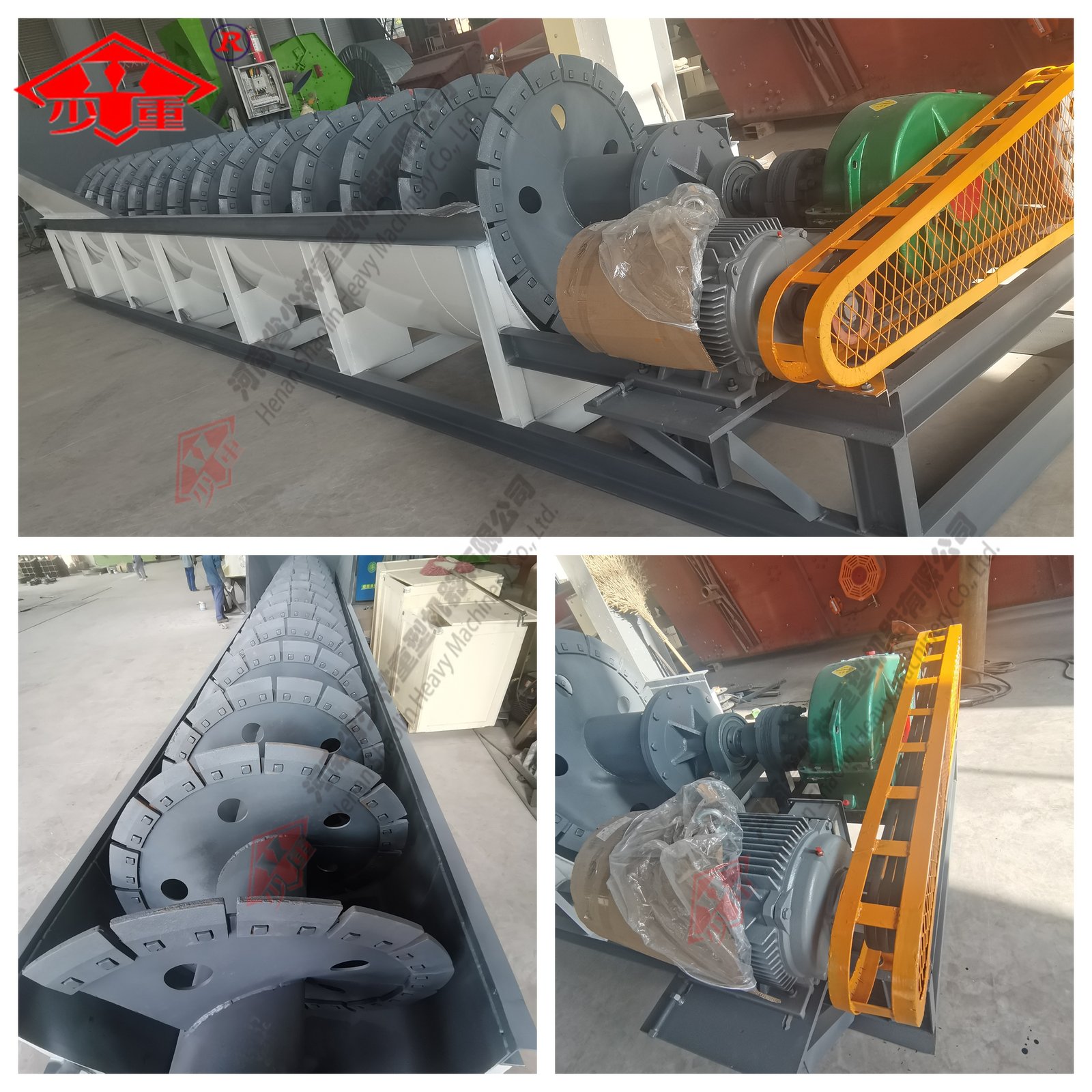
1. Spiral Shaft Assembly System
The main shaft is manufactured from premium seamless steel tubing. Spiral blades feature a thickness of 16mm and employ wear-resistant alloy overlay welding, ensuring a service life exceeding 4000 hours under demanding operating conditions.
2. Reduction Transmission Unit
A hardened gear reducer paired with an elastic coupling forms the transmission system, achieving over 95% transmission efficiency. It operates smoothly and reliably, particularly suited for continuous operation under heavy-duty conditions.
3. Trough Support Structure
The U-shaped trough is fabricated from 8mm-thick premium steel plate. Internally lined with replaceable wear-resistant rubber liners, it is externally supported by a heavy-duty I-beam welded frame, guaranteeing robust and durable overall construction.
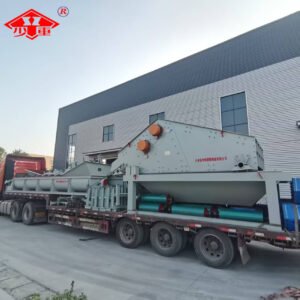
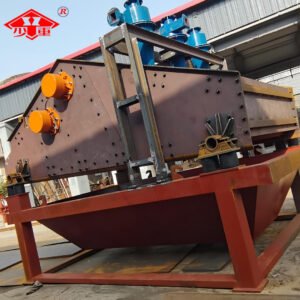
4. Fine Sand Recovery System
This comprehensive recovery unit comprises a settling tank, recovery pump, and multi-stage hydrocyclone assembly. It effectively recovers fine sand particles exceeding 0.2mm in size, achieving a recovery rate of over 85%.