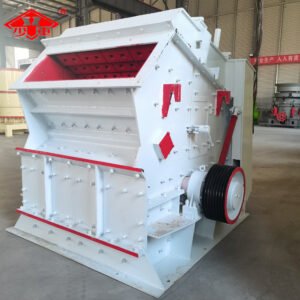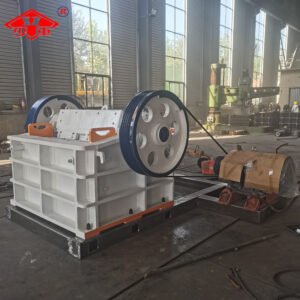

Обзор продукта
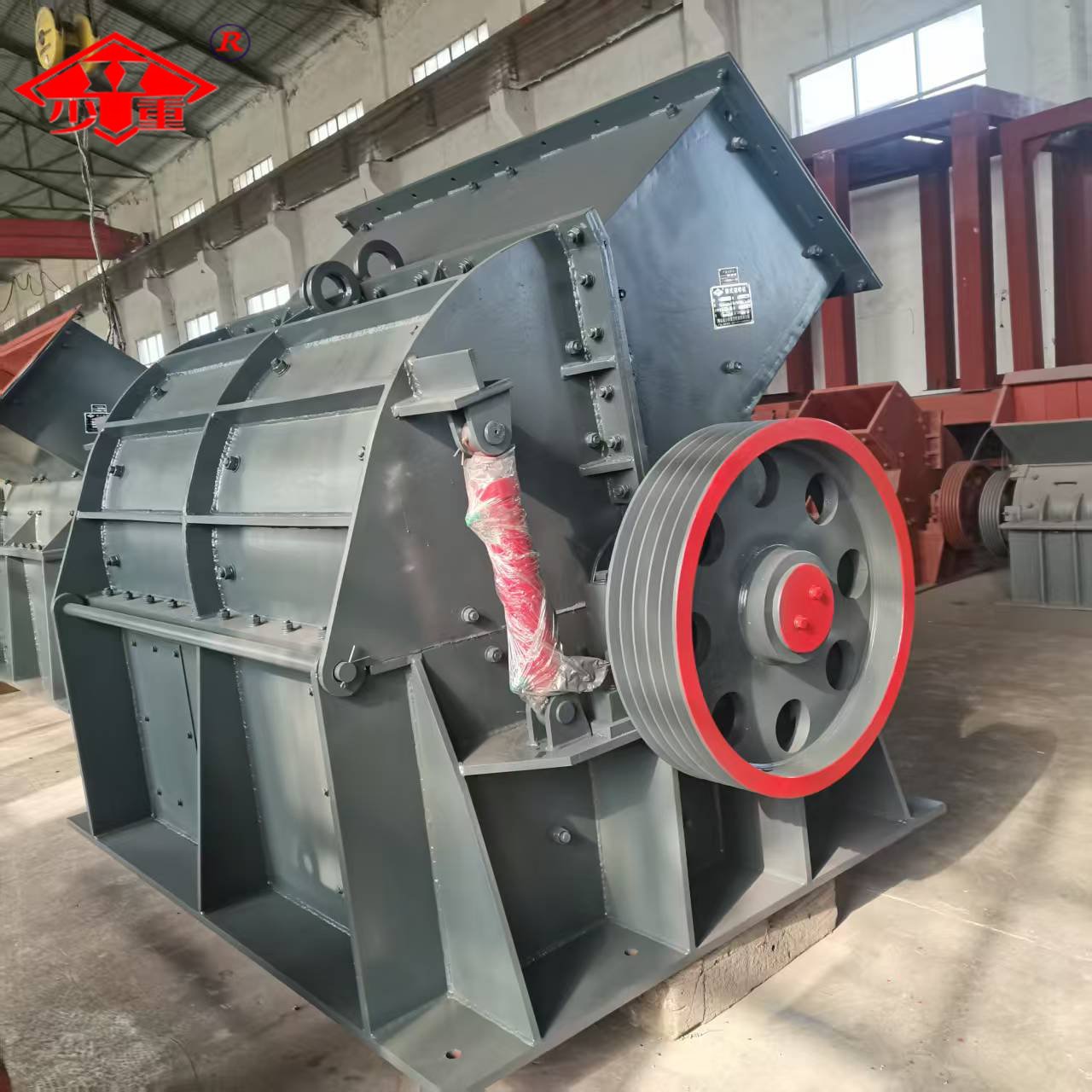
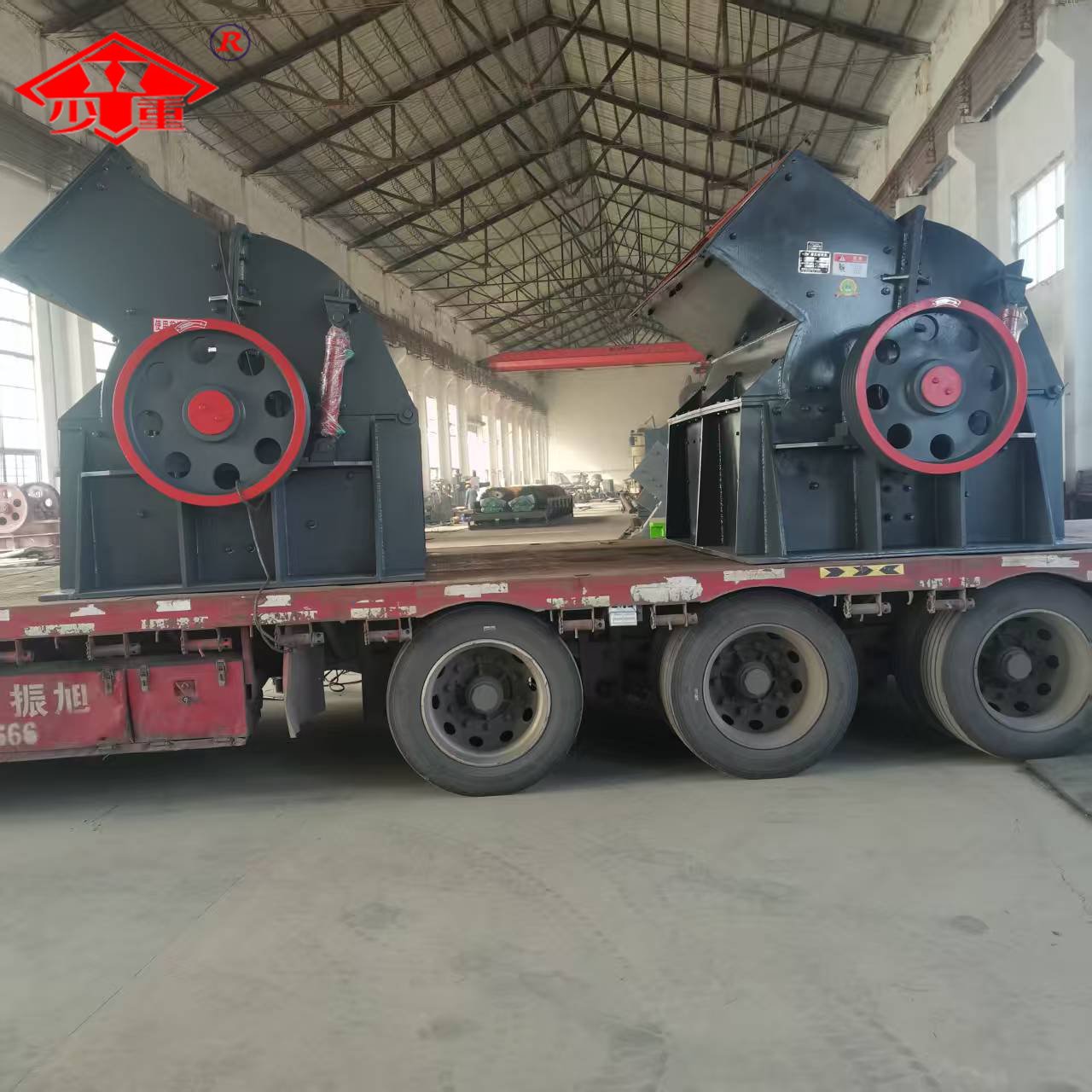
Молотковая дробилка — это устройство, использующее высокоскоростные вращающиеся молотки для ударного воздействия и измельчения материалов, что делает её особенно подходящей для обработки хрупких материалов средней твёрдости, таких как известняк, уголь и кокс. Её основные преимущества заключаются в компактной конструкции, высоком коэффициенте дробления (обычно от 10 до 25) и относительно низком энергопотреблении.
Принцип работы
При попадании в дробильную камеру через загрузочное отверстие материал подвергается интенсивному удару высокоскоростных вращающихся молотков, что приводит к его разрушению. Одновременно внутри дробильной камеры материал подвергается взаимным столкновениям и трению о футеровочные пластины. Материал, соответствующий требуемому размеру частиц, в конечном итоге выгружается через сита в основании.
Основные компоненты пружинно-конусной дробилки PY
Основная часть машины включает в себя корпус, ротор, молотки, футеровочные плиты и колосниковые решетки.
1. Корпус
Состоящий из верхней и нижней секций, его внутренние стенки облицованы высокомарганцевой сталью для повышения износостойкости. Смотровые люки облегчают техническое обслуживание.
2. Ротор
Основной рабочий компонент состоит из главного вала, молотковых дисков, штифтов и молотковых головок. Молотковые головки шарнирно закреплены на дисках с помощью штифтов, что обеспечивает свободное колебание.
3. Молотки
Эти компоненты, как правило, изготавливаются из износостойких материалов, таких как высокомарганцевая сталь, и непосредственно воздействуют на материалы, сдавливая их. При износе они требуют замены или шлифовки поверхности.
4. Футеровочные плиты и сетчатые стержни
Вкладыши защищают внутренние стенки корпуса, а решетки (или сита) регулируют размер частиц на выходе.