circular vibrating screen (复制)

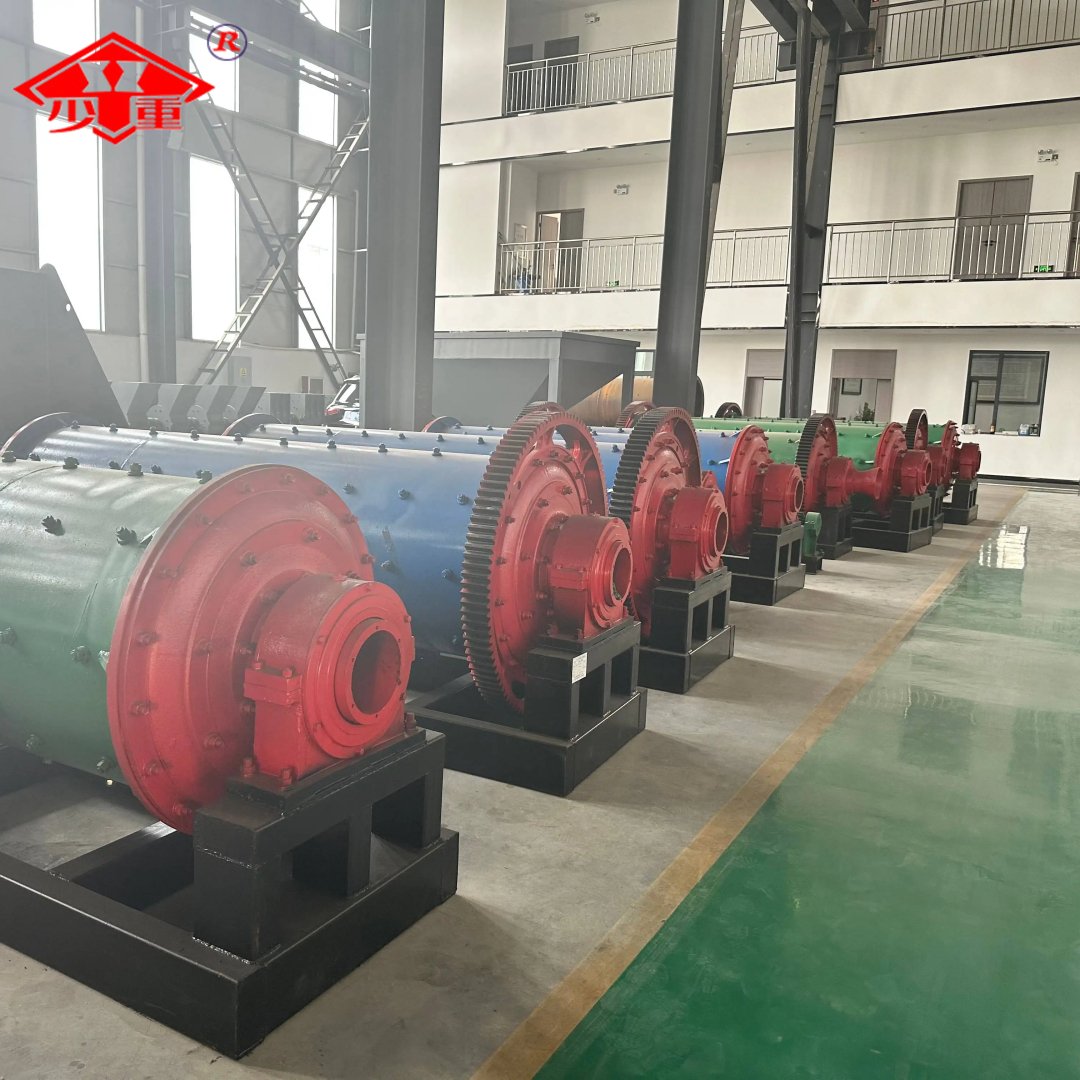
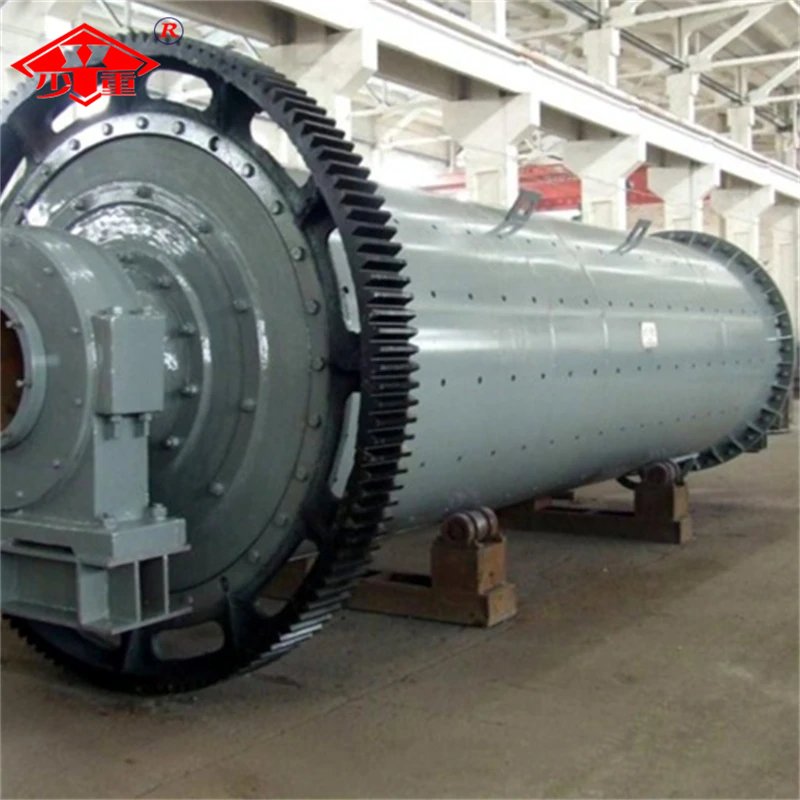
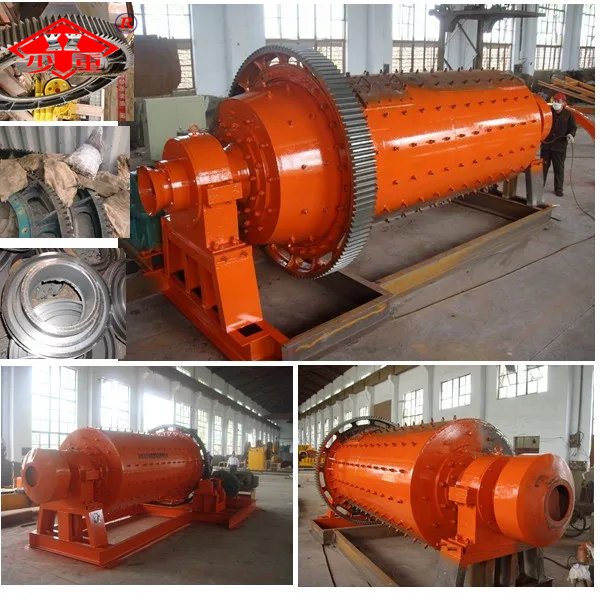
Ball mill

Feed Size:
≤ 25 mm
Capacity:
0.65-650T/H
Applicable Materials:
Iron ore, copper ore, gold ore, silver ore, molybdenum ore, zinc ore, phosphate rock, feldspar, quartz, fluorite, cement clinker, etc.
Application Range:
Grinding of concentrates and tailings in mineral processing plants; grinding of raw materials and clinker in cement plants; pulverising coal for thermal power stations; processing of raw materials in chemical plants; preparation of glazes in ceramic factories;

Ball mills feature few wear parts and exhibit excellent wear resistance. The machine operates smoothly with reliable performance. Depending on the material and discharge method, one may select either a dry ball mill or a wet grid-type ball mill.

Description

Product Overview

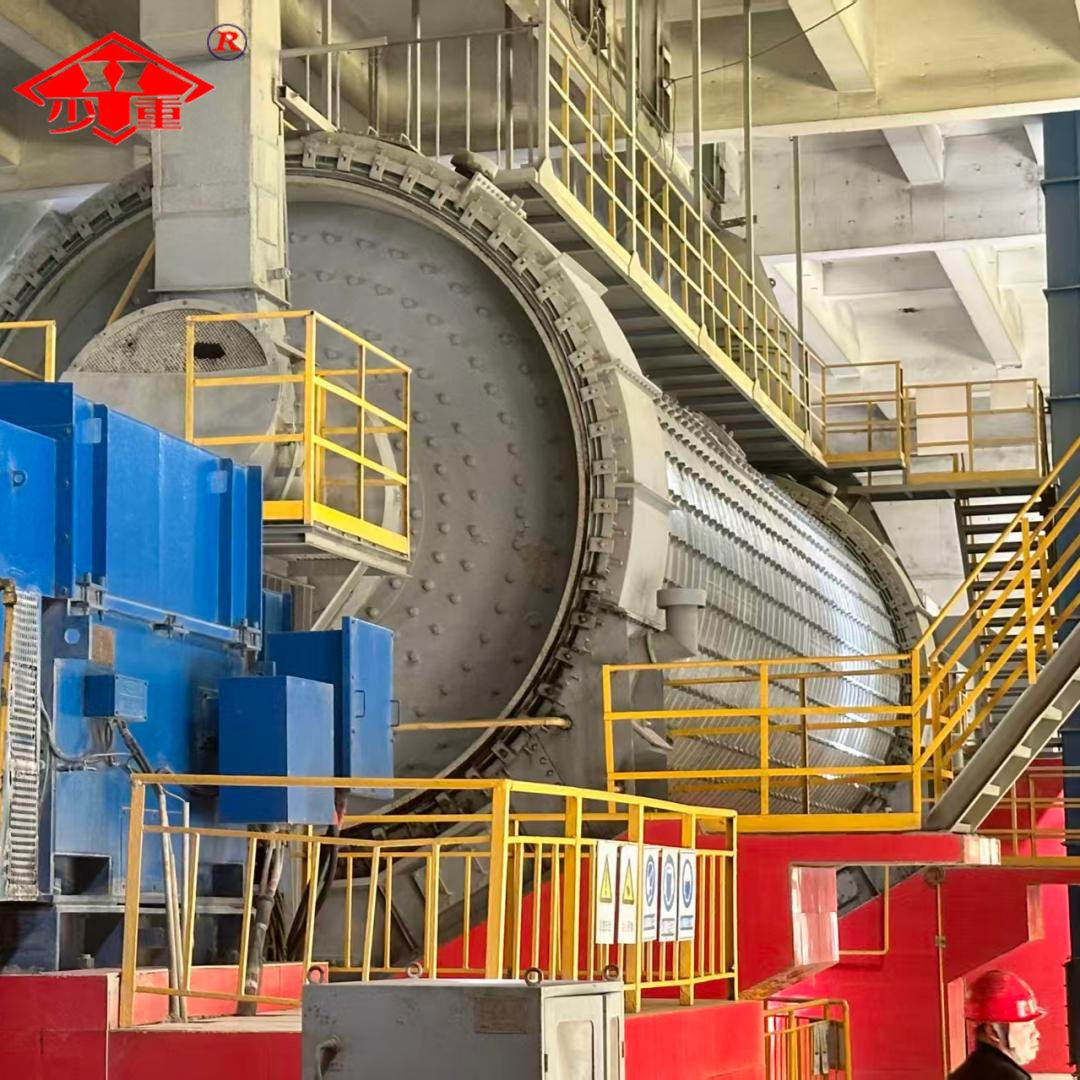
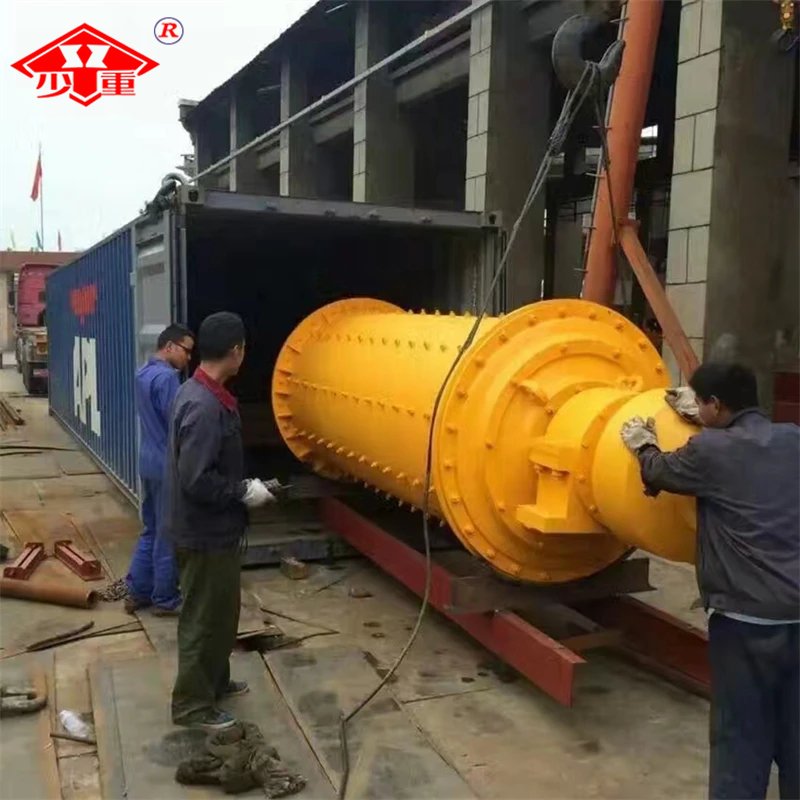
Ball mills serve as the pivotal equipment for further pulverising materials after initial crushing. They find extensive application across industries including cement production, silicate products, new building materials, refractories, fertilisers, mineral processing of ferrous and non-ferrous metals, and glass ceramics. These mills perform dry or wet grinding on various ores and other grindable materials.


Working Principle

The material is uniformly fed into the first compartment of the mill via the feed device through the hollow feed shaft. This compartment is fitted with stepped liners or corrugated liners and contains steel balls of varying sizes. As the cylinder rotates, centrifugal force propels the steel balls to a certain height before they fall, delivering impact and grinding action upon the material. Following coarse grinding in the first compartment, the material passes through a single-layer partition plate into the second compartment. This compartment is fitted with flat liners and contains steel balls, which further grind the material. The powdered material is discharged through the discharge grate, completing the grinding process.

Core Components of a Ball Mill

1. Cylinder
The main body of the equipment, formed by rolling steel plates. It is internally lined with wear-resistant plates to protect the cylinder and enhance grinding efficiency.

2. Feeding Section
Comprising the feed hopper and hollow shaft neck, responsible for uniformly and continuously conveying material into the cylinder.

3. Discharge Section
Includes the discharge grate and transmission mechanism, used to discharge finished product meeting the required fineness.

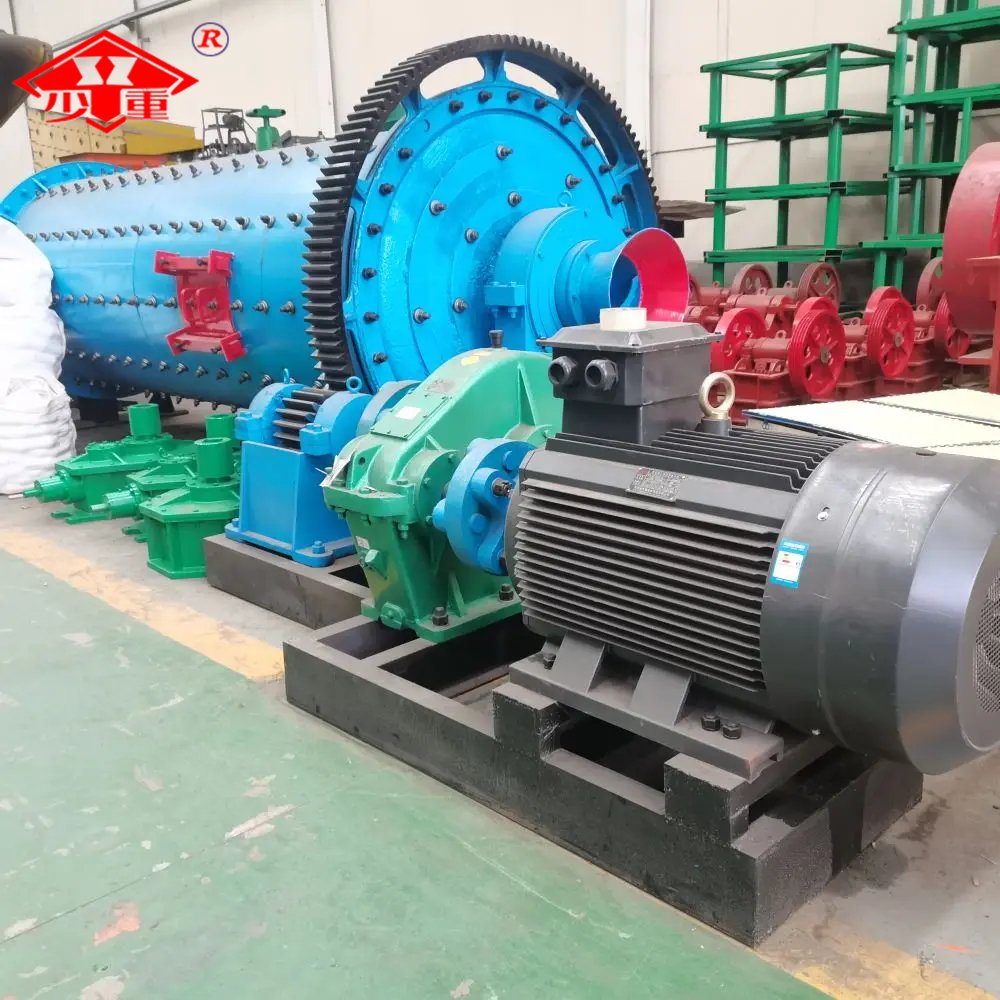
4. Transmission System
Comprising the motor, reducer, pinion gear, and ring gear, providing power for cylinder rotation.

5. Main Bearing
Supports the weight of the entire rotating assembly (cylinder, grinding media, and material), ensuring smooth operation.

6. Grinding Media
Typically steel balls or steel segments, serving as the components that directly impact and grind the material.

7. Base Frame
The foundation of the equipment, bearing the entire machine’s weight and secured to the foundation via anchor bolts.

Features

  • High and uniform grinding fineness

Capable of ultra-fine grinding with a wide range of adjustable product particle sizes to meet diverse process requirements.

  • Exceptional adaptability

Capable of processing diverse materials including ores, chemical raw materials, and construction powders—both soft and hard substances—with both dry and wet grinding options available.

  • Stable and reliable operation

Features a mature structural design with low failure rates, enabling prolonged continuous operation suitable for industrial-scale production.

  •  Simple and controllable operation

Precise control of final particle size achievable by adjusting grinding media, rotational speed, and duration, with flexible process adaptation.

  • Excellent Equipment Durability

Core grinding components utilise wear-resistant materials, ensuring extended service life and relatively controllable maintenance costs.

  • Strong Process Compatibility

Seamless integration with crushing, classification, drying, and other equipment, enabling incorporation into complete powder production lines.


Technical Parameters

Specification model Cylinder speed (r/min) Ball loading capacity (t) Feed particle size (mm) Discharge particle size (mm) Production Capacity (t/h) Motor power (kw) Gross Weight (t)
Ф900×1800 36-38 1.5  <20 0.075-0.89 0.65-2 18.5 5.85
Ф900×3000 36 2.7 <20 0.075-0.89 1.1-3.5 22 6.98
Ф1200×2400 36 3 <25 0.075-0.6 1.5-4.8 30 13.6
Ф1200×3000 36 3.5 <25 0.074-0.4 1.6-5 37 14.3
Ф1200×4500 32.4 5 <25 0.074-0.4 1.6-5.8 55 15.6
Ф1500×3000 29.7 7.5 <25 0.074-0.4 2-5 75 19.5
Ф1500×4500 27 11 <25 0.074-0.4 3-6 110 22
Ф1500×5700 28 12 <25 0.074-0.4 3.5-6 130 25.8
Ф1830×3000 25.4 11 <25 0.074-0.4 4-10 130 34.5
Ф1830×4500 25.4 15 <25 0.074-0.4 4.5-12 155 38
Ф1830×6400 24.1 21 <25 0.074-0.4 6.5-15 210 43
Ф1830×7000 24.1 23 <25 0.074-0.4 7.5-17 245 43.8
Ф2100×3000 23.7 15 <25 0.074-0.4 6.5-36 210 45
Ф2100×4500 23.7 24 <25 0.074-0.4 8-43 245 56
Ф2100×7000 23.7 26 <25 0.074-0.4 12-48 280 59.5
Ф2200×4500 21.5 27 <25 0.074-0.4 9-45 280 54.5
Ф2200×6500 21.7 35 <25 0.074-0.4 14-26 380 61
Ф2200×7000 21.7 35 <25 0.074-0.4 15-28 380 62.5
Ф2200×7500 21.7 35 <25 0.074-0.4 15-30 380 64.8
Ф2400×3000 21 23 <25 0.074-0.4 7-50 245 58
Ф2400×4500 21 30 <25 0.074-0.4 8.5-60 320 72
Ф2700×4000 20.7 40 <25 0.074-0.4 22-80 380 95
Ф2700×4500 20.7 48 <25 0.074-0.4 26-90 480 102
Ф3200×4500 18 65 <25 0.074-0.4 95-110 630 149
Ф3600×4500 17 90 <25 0.074-0.4 115-170 850 169
Ф3600×6000 17 110 <25 0.074-0.4 120-200 1250 198
Ф3600×8500 18 131 <25 0.074-0.4 45.8-256 1800 260
Ф4000×5000 16.9 121 <25 0.074-0.4 45-208 1500 230
Ф4000×6000 16.9 146 <25 0.074-0.4 65-248 1600 242
Ф4000×6700 16.9 149 <25 0.074-0.4 75-252 1800 249
Ф4500×6400 15.6 172 <25 0.074-0.4 84-306 2000 280
Ф5030×6400 14.4 216 <25 0.074-0.4 98-386 2500 320
Ф5030×8300 14.4 266 <25 0.074-0.4 118-500 3300 403
Ф5500×8500 13.8 338 <25 0.074-0.4 148-615 4500
  1. 525