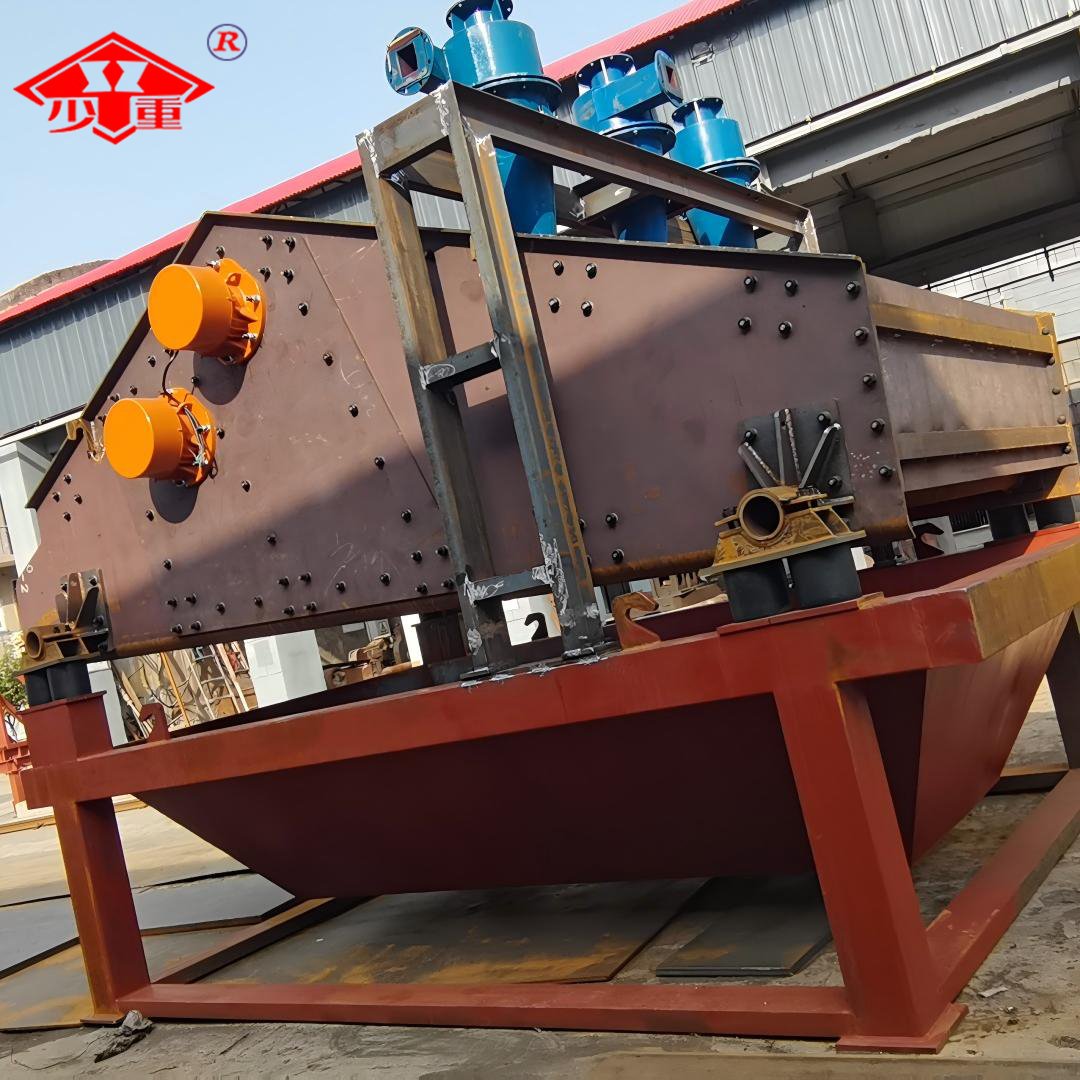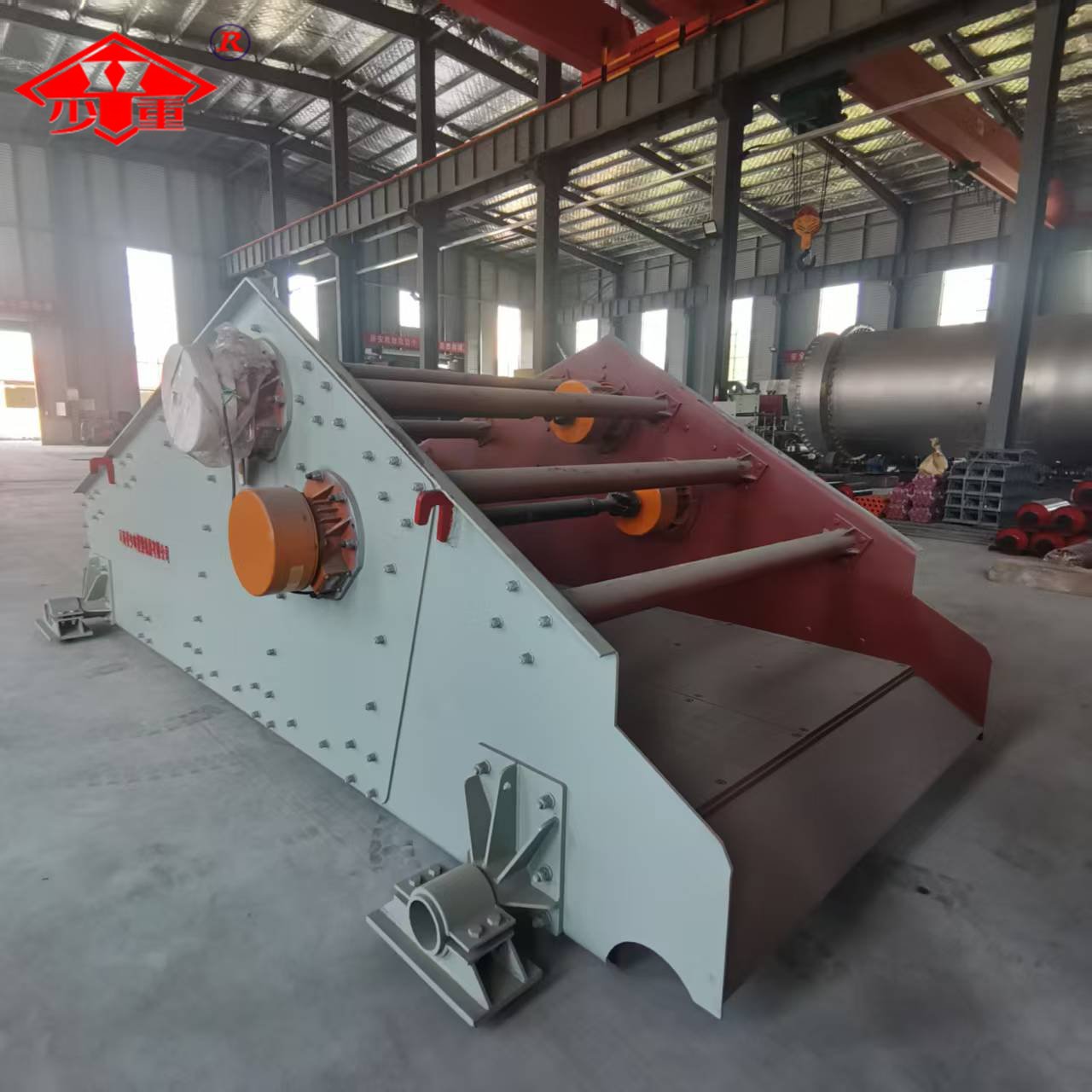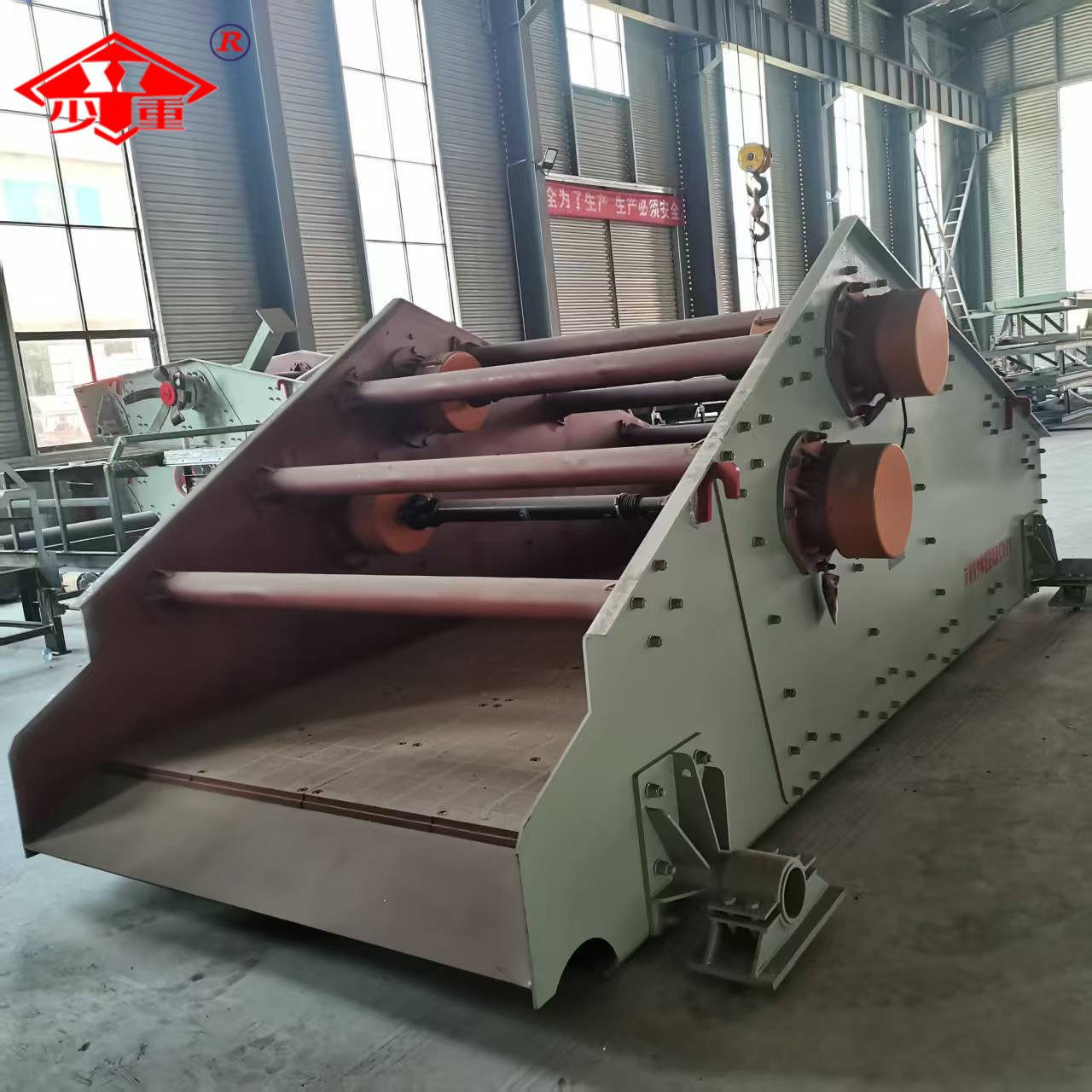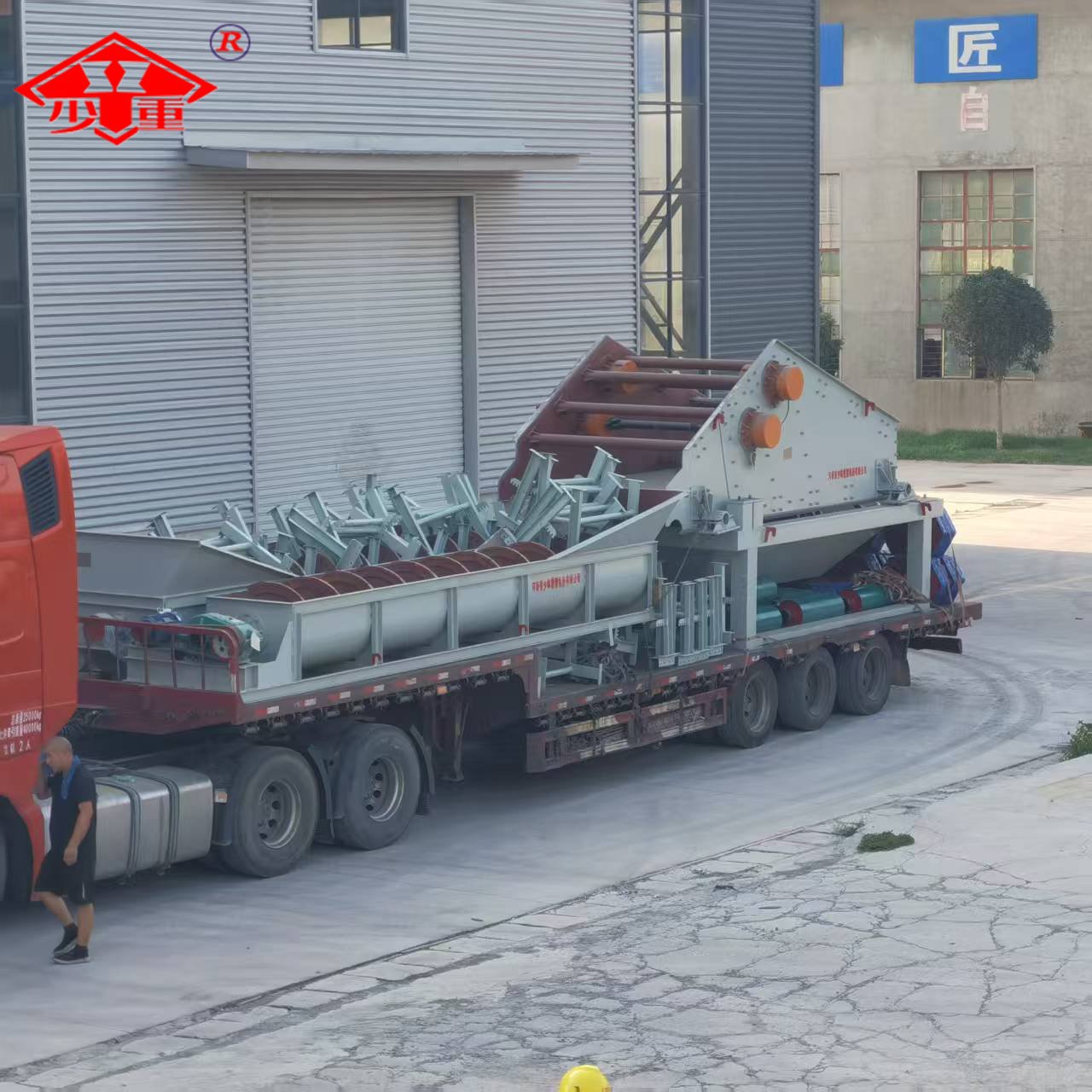
Обзор продукта
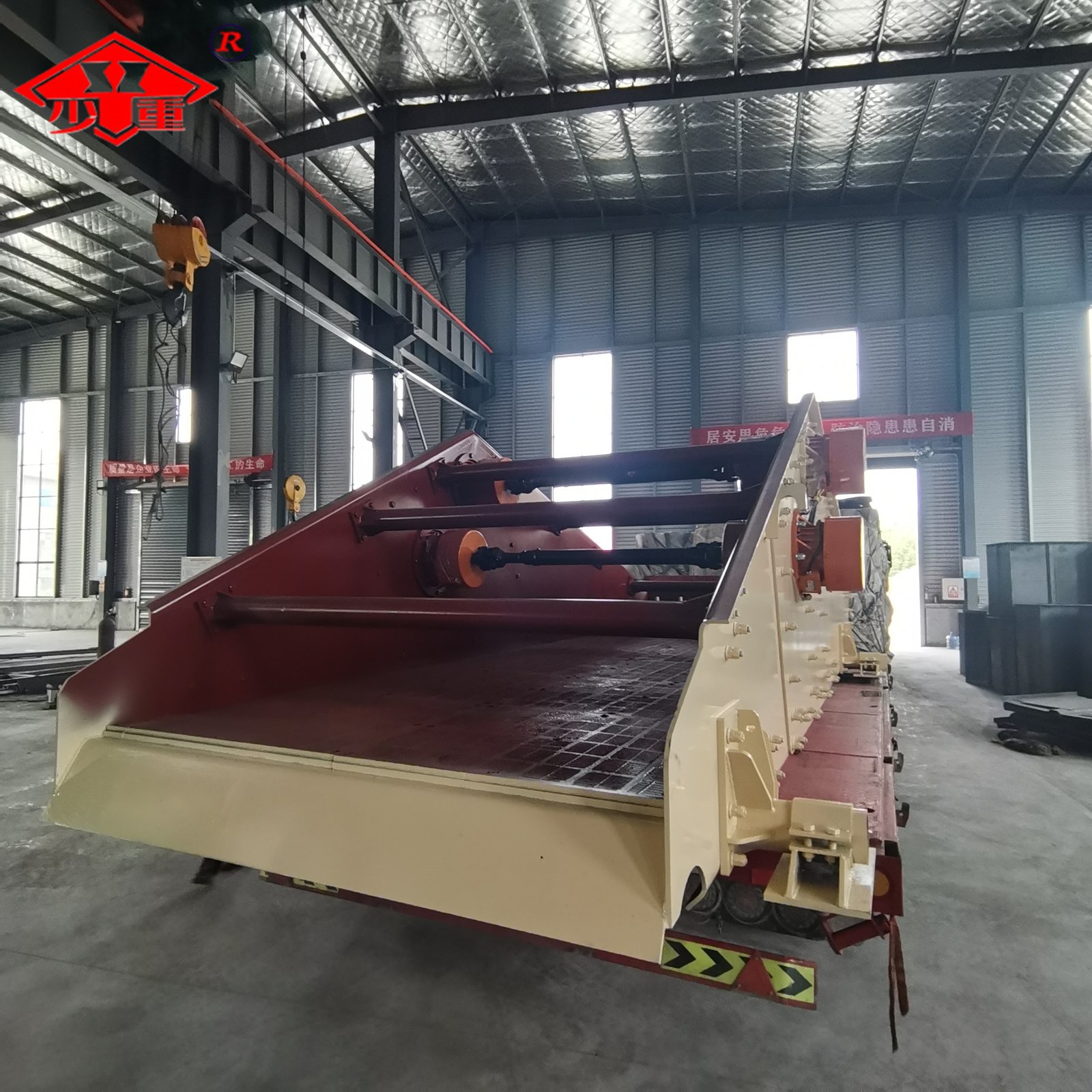
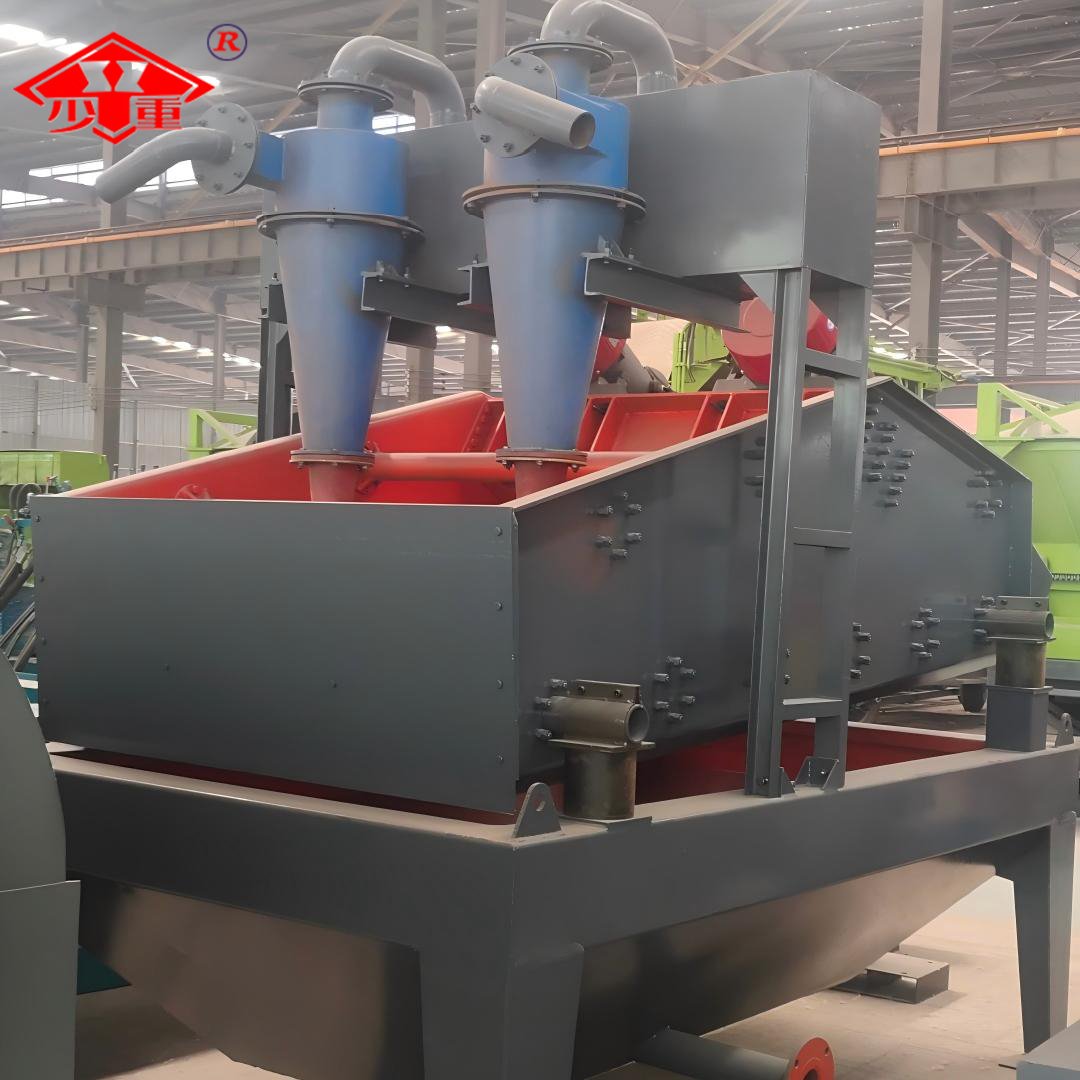
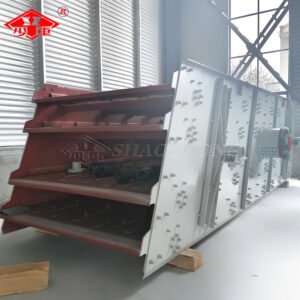
Обезвоживающие грохоты в основном служат для удаления воды, шлама и среды, находя применение в промывке песка на предприятиях по производству заполнителей, извлечении угольной суспензии на углеобогатительных фабриках и сухом удалении отходов обогащения на предприятиях по переработке минералов. Поэтому их также называют обезвоживающими грохотами для заполнителей, обезвоживающими грохотами для горнодобывающей промышленности, обезвоживающими грохотами для угольной суспензии, грохотами для сухого удаления отходов обогащения и высокочастотными обезвоживающими грохотами.
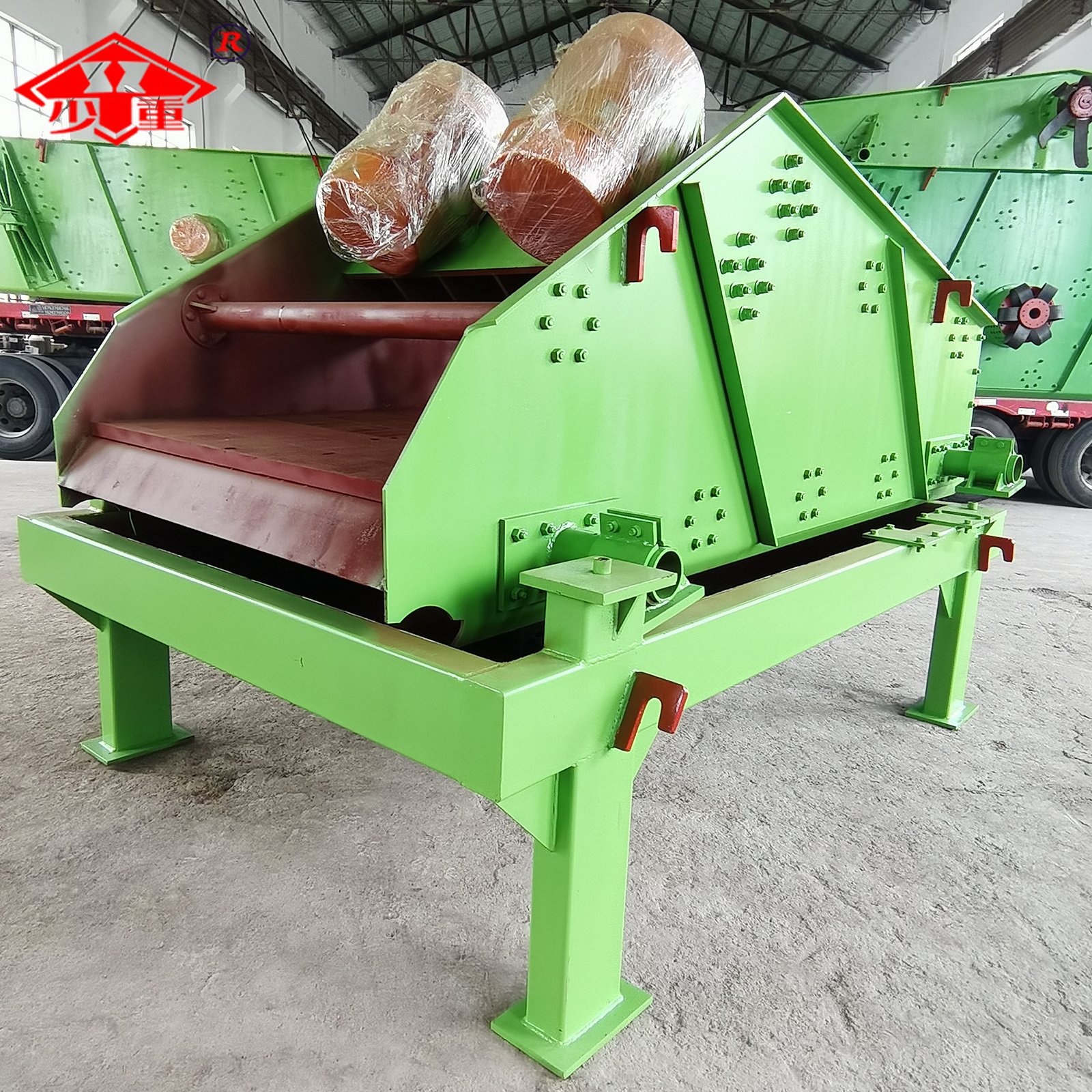
Хотя оба типа оборудования относятся к категории обезвоживающего оборудования, конструкция обезвоживающих грохотов различается в зависимости от перерабатываемого материала. Например, грохот для обезвоживания песка и гравия, используемый в линиях по производству промытого песка, отличается от грохота для обезвоживания отходов, обычно применяемого на горно-обогатительных комбинатах.
Обезвоживающий грохот для хвостохранилищ, также называемый грохотом для сухого сброса хвостов, обладает всеми превосходными характеристиками и функциями стандартного обезвоживающего грохота. Кроме того, он часто интегрируется с машинами для сгущения хвостов, что делает его наиболее эффективным обезвоживающим грохотом и оборудованием для сухого сброса хвостов, доступным в настоящее время.
Принцип работы
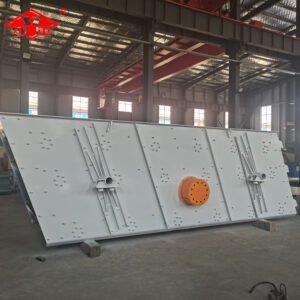
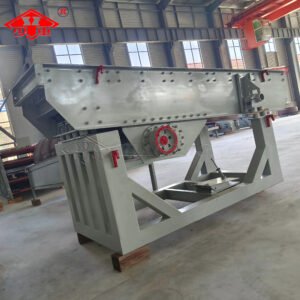
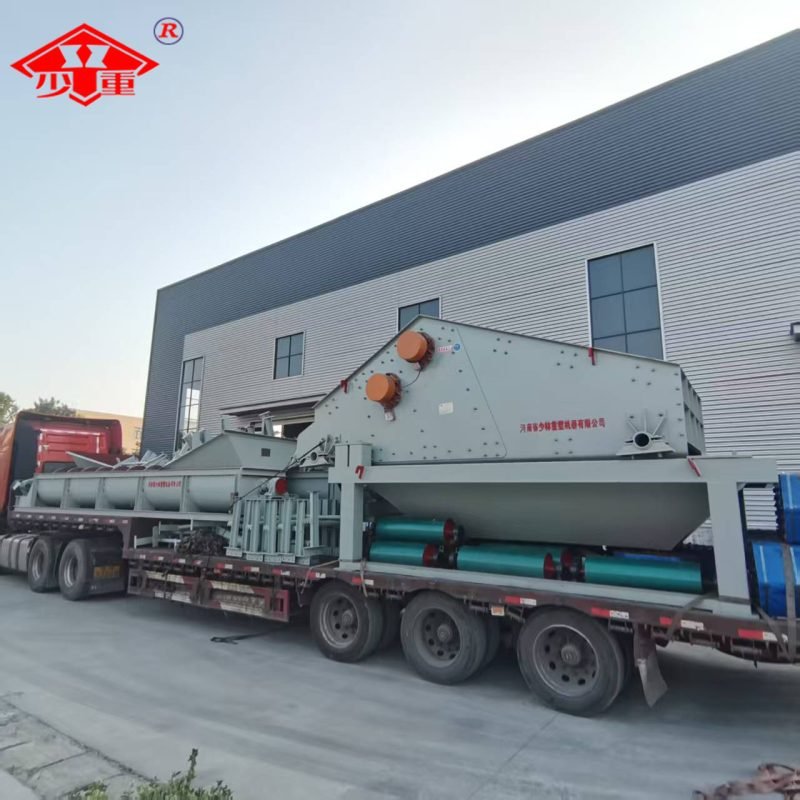
В обезвоживающем грохоте используется технология двухэлектродной самосинхронизации, включающая универсальные эксцентриковые грузы и вибратор с регулируемой амплитудой. Он состоит в основном из грохота, возбудителя, системы опор и двигателя. Два независимых вибратора приводятся в движение ременной передачей и работают синхронно в противоположных направлениях. Центробежные силы, создаваемые двумя группами эксцентриковых масс, суммируются вдоль направления вибрации, при этом противоположные центробежные силы взаимно компенсируются. Это создает единую вибрационную силу вдоль направления вибрации, заставляя грохот совершать возвратно-поступательное линейное движение.
-
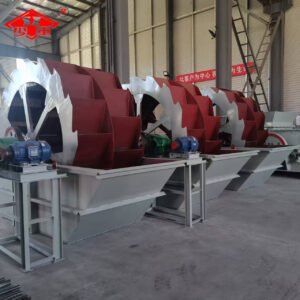
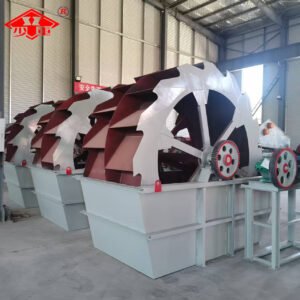
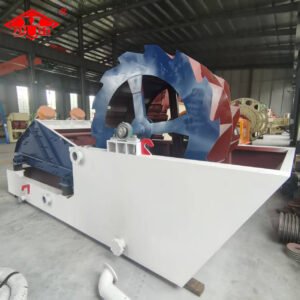
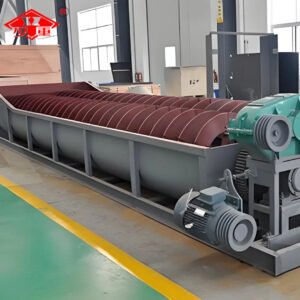
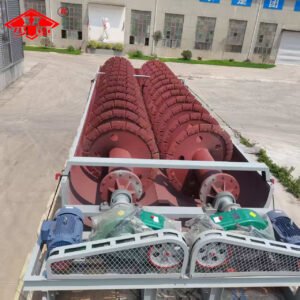
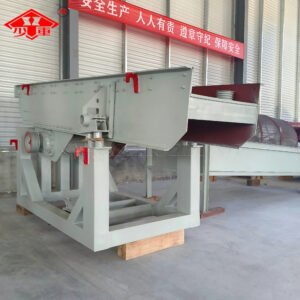
Основные компоненты машины для промывки и обезвоживания песка.
1. Проверочная будка
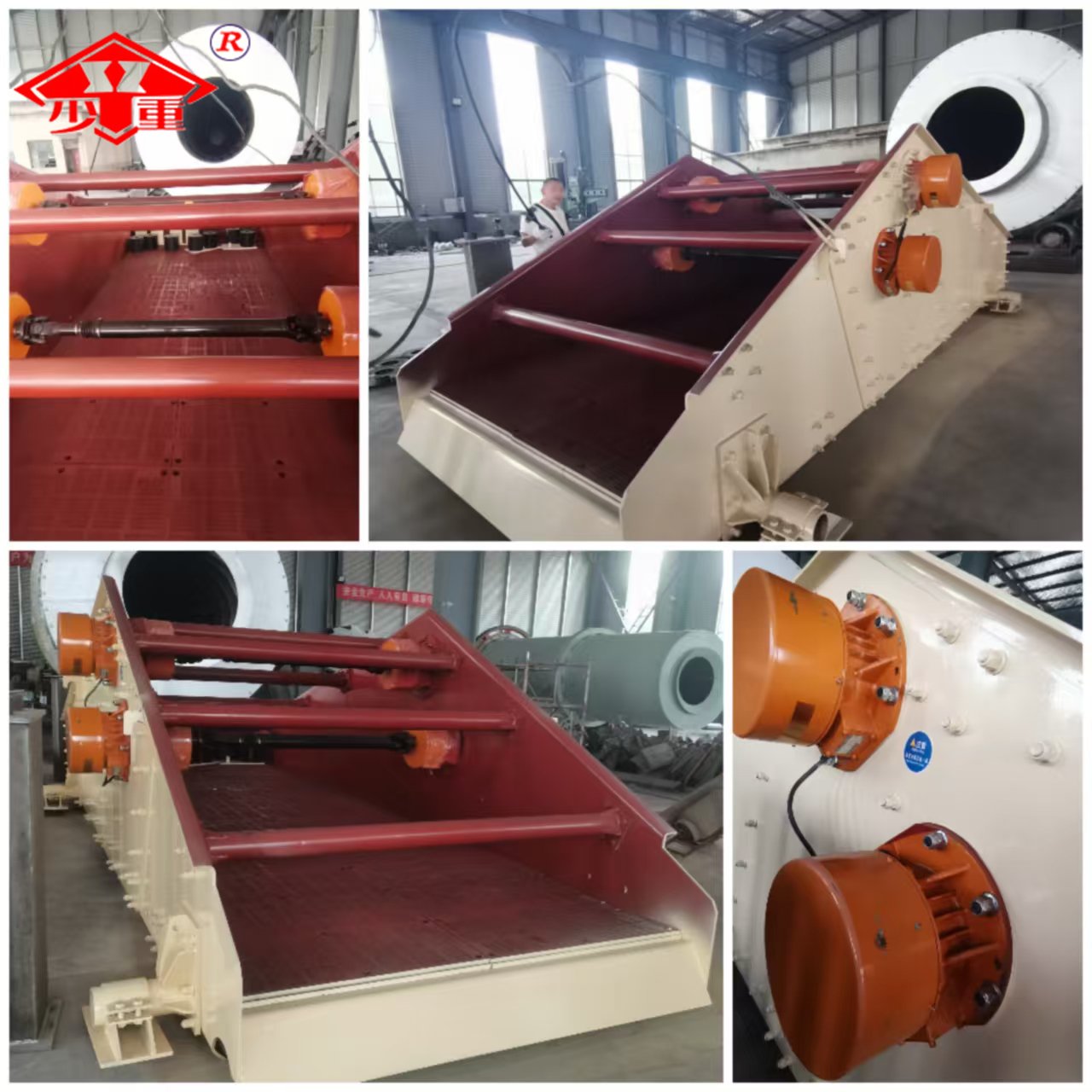
В качестве основного рабочего и несущего компонента оборудования он включает в себя раму и поверхность сита. Рама обычно изготавливается из сварных пластин из высокопрочной стали, что требует достаточной прочности, жесткости и износостойкости. Поверхность сита служит критически важной рабочей плоскостью, где происходит обезвоживание материалов, и обычно изготавливается из сварной сетки из нержавеющей стали с пазами, тканой сетки из нержавеющей стали или ламинированной композитной ситовой ткани.
2. Вибрационный двигатель (или возбудитель)
Обеспечивает источник энергии для возвратно-поступательного движения сортировочной камеры. Обычно используется технология самосинхронизации с двумя двигателями, где два двигателя, вращающиеся в противоположных направлениях, создают линейные колебания, обеспечивая стабильную работу сортировочного узла.
3. Вспомогательная сборка
Включает в себя такие компоненты, как резиновые пружины, пружинные опоры и крепежные зажимы. Они поддерживают сортировочный ящик, эффективно поглощая вибрацию, снижая динамические нагрузки на фундамент и повышая эксплуатационную устойчивость.
4. Сетка (решетчатая пластина)
Компонент, непосредственно контактирующий с материалом, размер пор которого, состав материала и структура напрямую влияют на эффективность обезвоживания. К распространенным типам относятся сварная щелевая сетка (износостойкая, с длительным сроком службы) и тканая сетка (высокий размер пор, низкая стоимость). В некоторых видах оборудования используются многослойные композитные конструкции для предотвращения засорения.