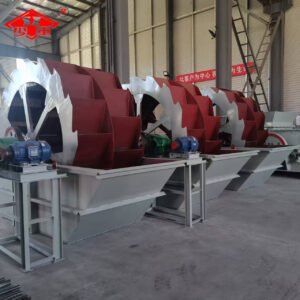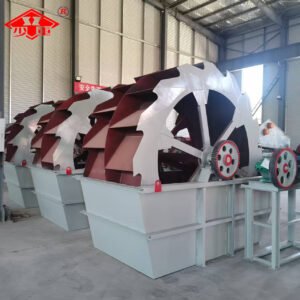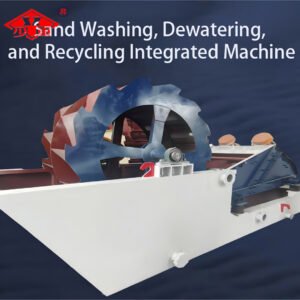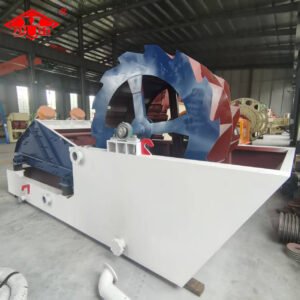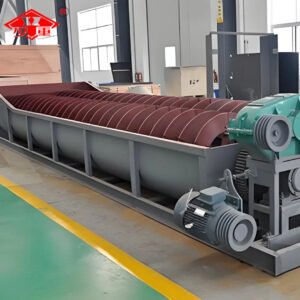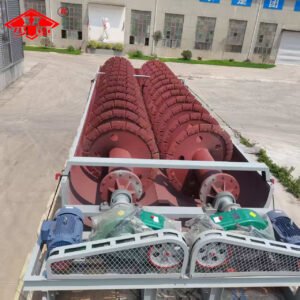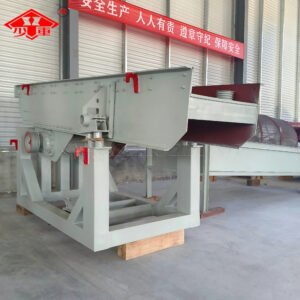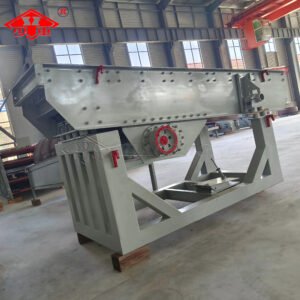
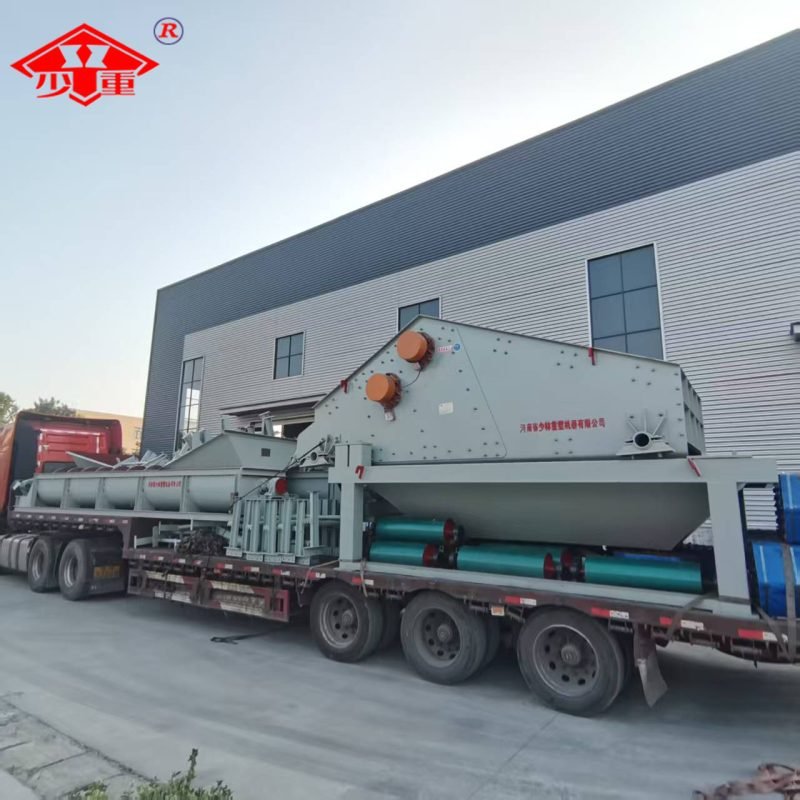
sand washing and dehydration all in one machine (复制)

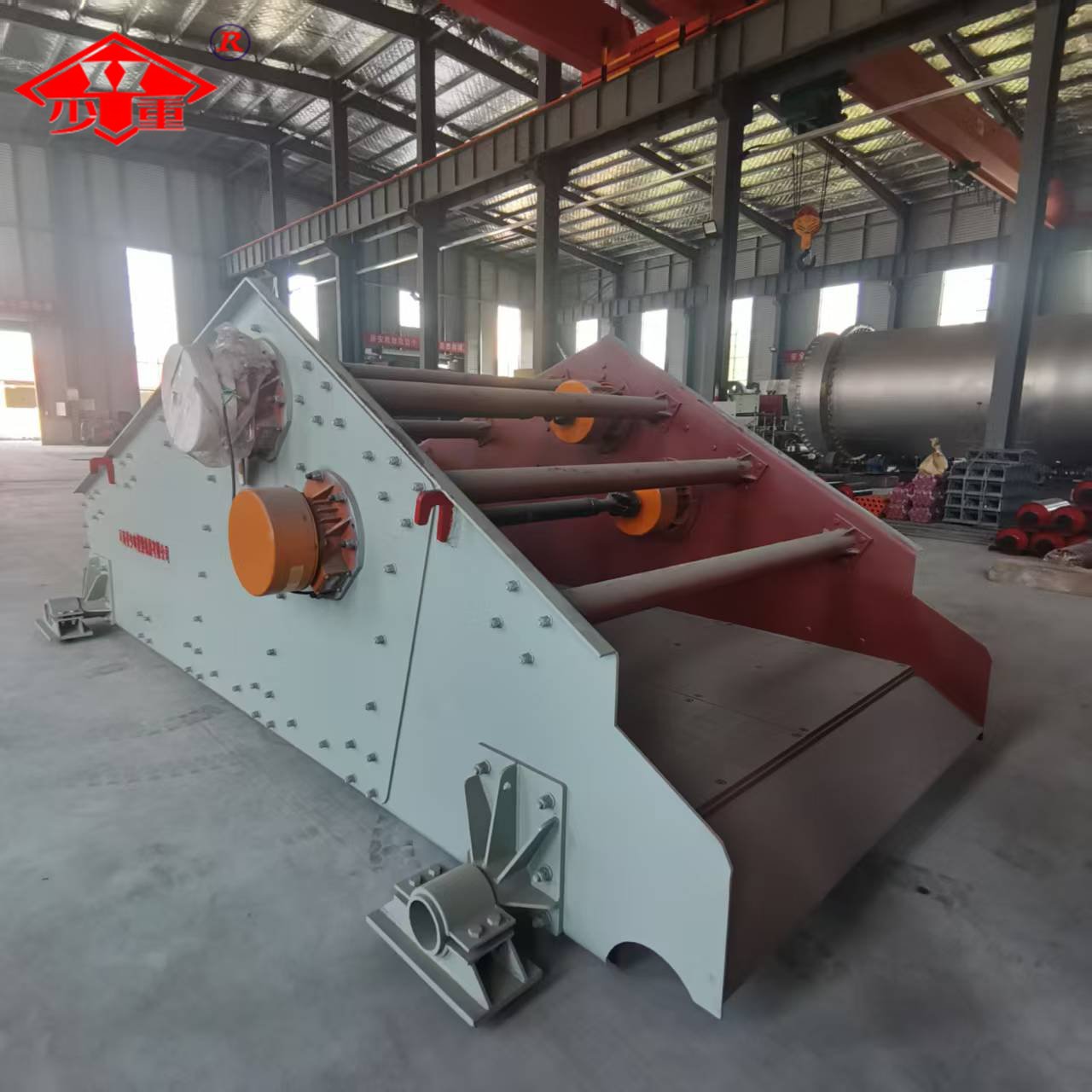
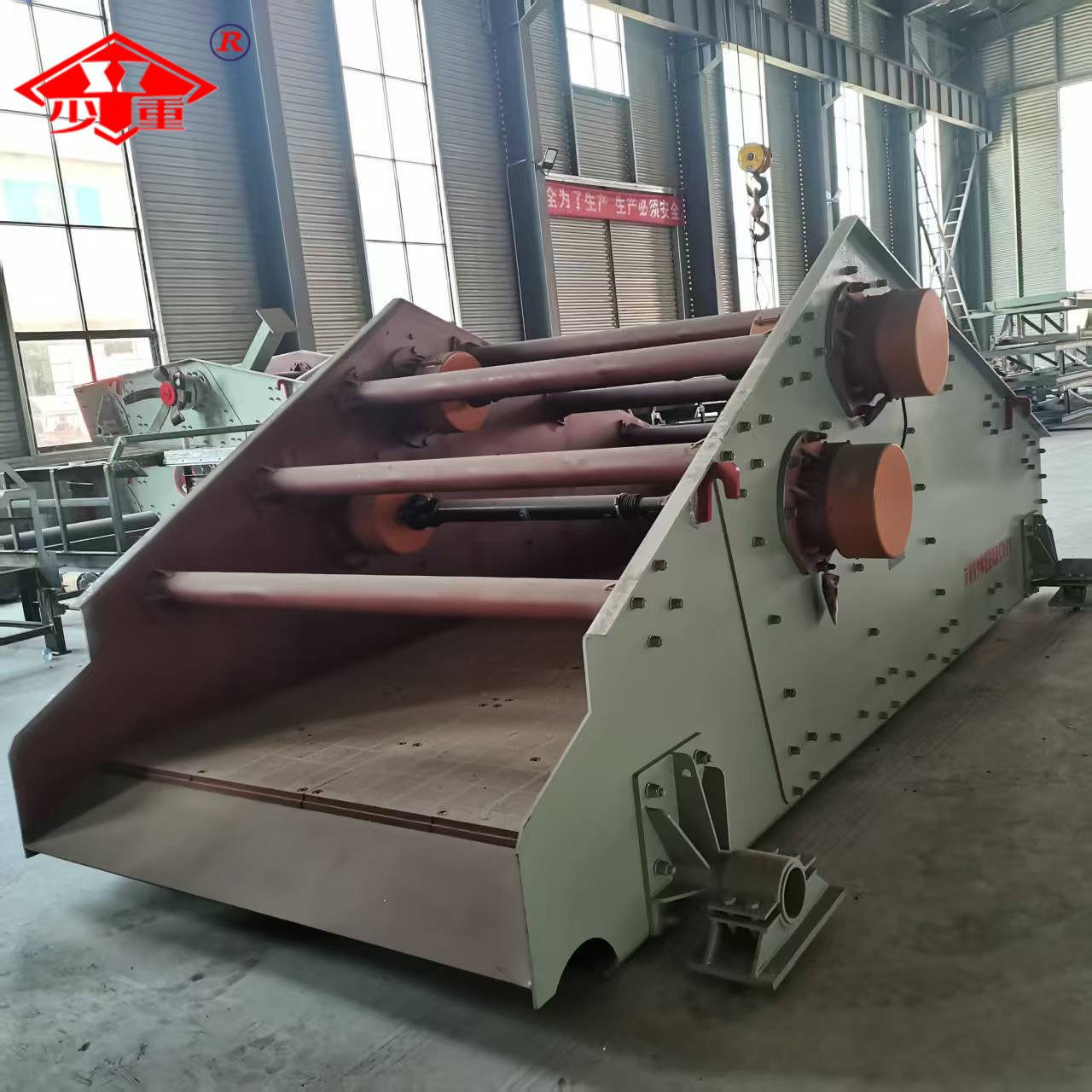
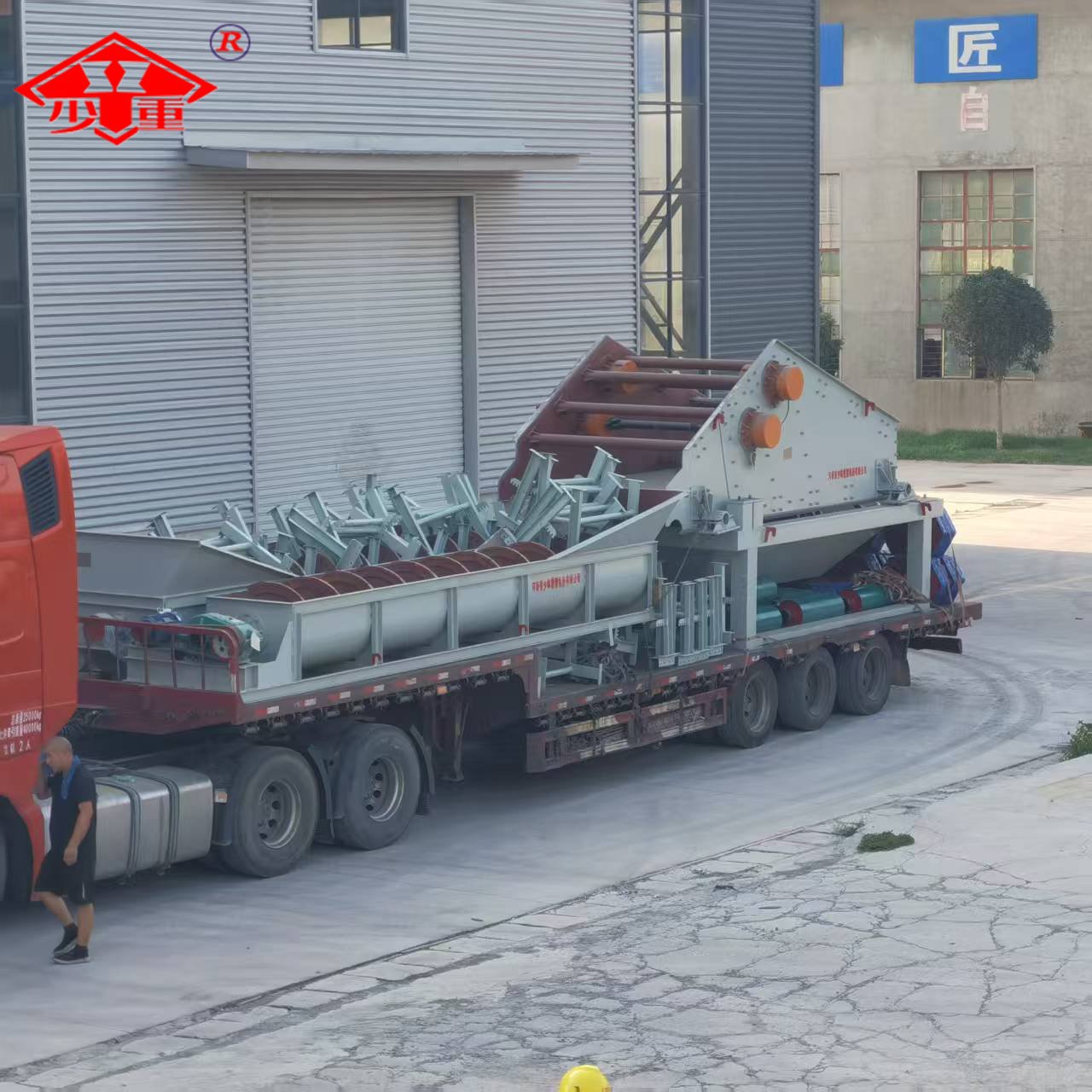
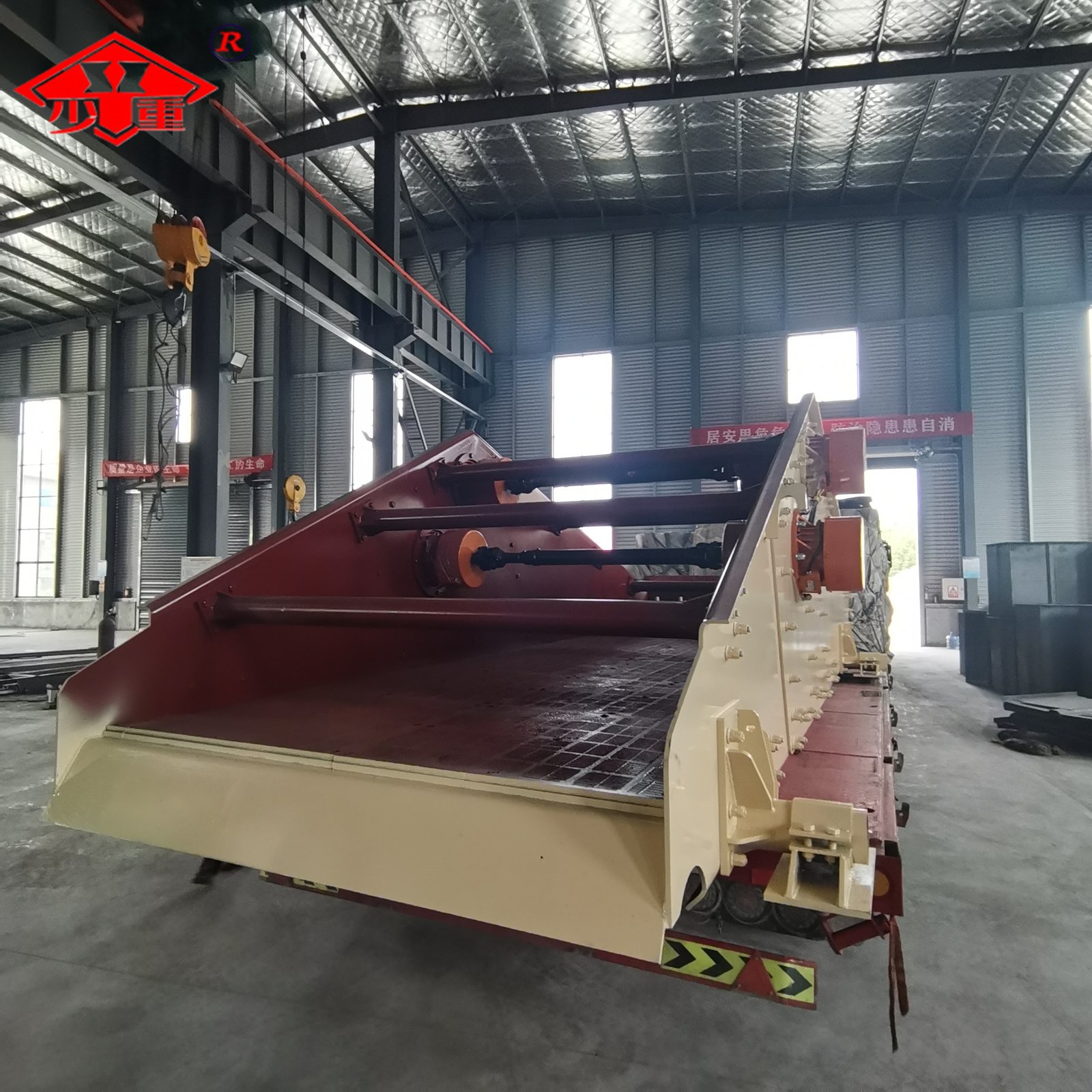
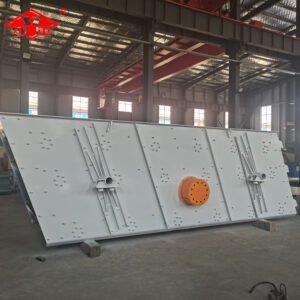
dewatering screen

Moisture content after dehydration:
≤15%
Capacity:
50-300T/H
Applicable Materials:
Specialised vibrating screening equipment for material dewatering, desliming and de-mediating
Application Range:
Scenarios such as aggregate plants, coal preparation plants, and mineral processing plants

The dewatering screen is a specialised piece of equipment for solid-liquid separation, widely employed in industrial sectors such as coal preparation, tailings dry stacking, and washed sand processing.

Description

Product Overview

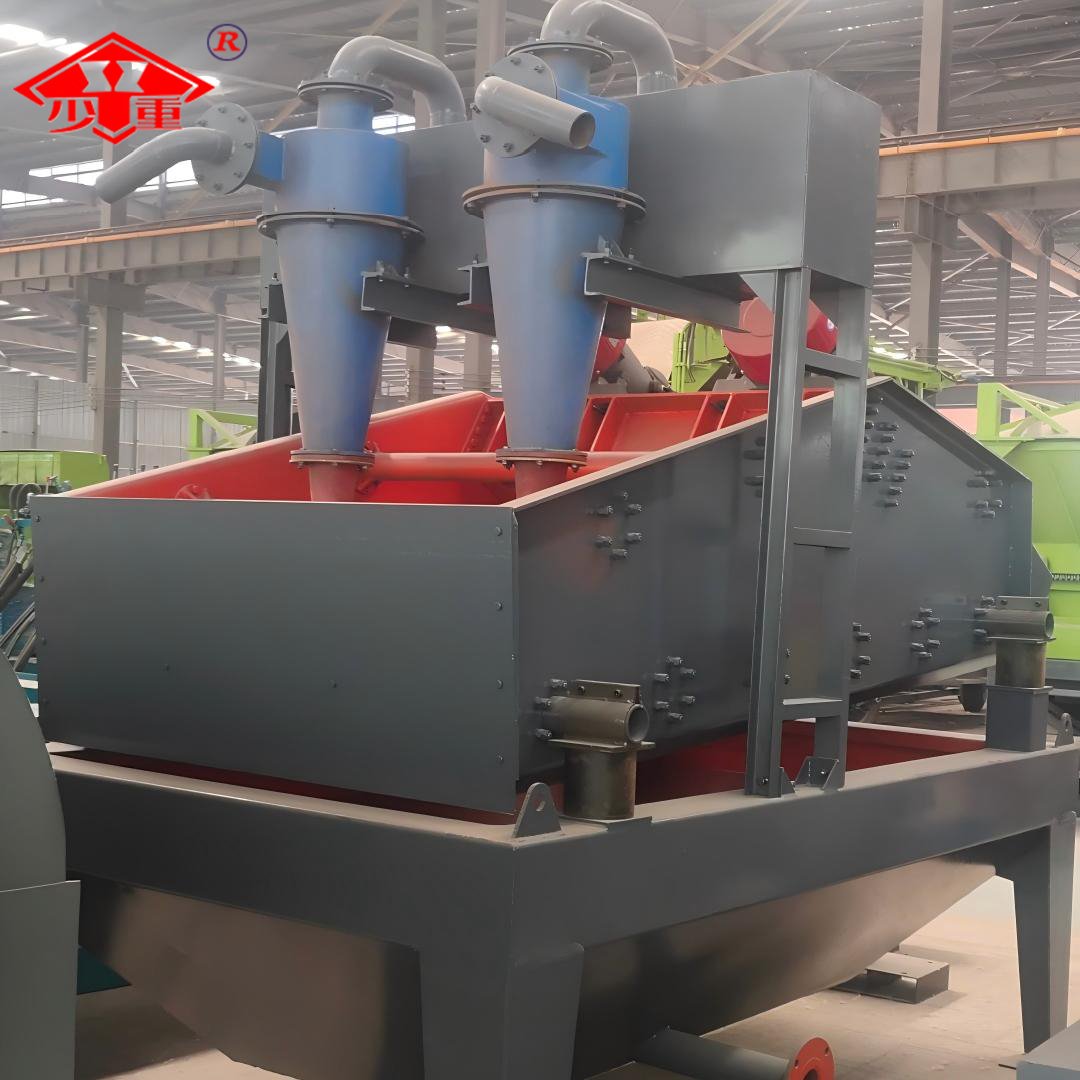
Dehydration screens primarily serve to remove water, sludge, and medium, finding application in sand washing at aggregate plants, coal slurry recovery at coal preparation plants, and dry tailings disposal at mineral processing plants. Consequently, they are also termed aggregate dehydration screens, mining dehydration screens, coal slurry dehydration screens, tailings dry discharge screens, and high-frequency dehydration screens.
Although both fall under the category of dewatering equipment, the construction of dewatering screens varies depending on the material being processed. For instance, the sand and gravel dewatering screen used in washed sand production lines differs from the tailings dewatering screen commonly employed in mineral processing plants.
The tailings dewatering screen, also termed the tailings dry discharge screen, possesses all the superior characteristics and functions of a standard dewatering screen. Furthermore, it is frequently integrated with thickening machines for tailings dry discharge, establishing itself as the most effective dewatering screen and tailings dry discharge equipment currently available.


Working Principle

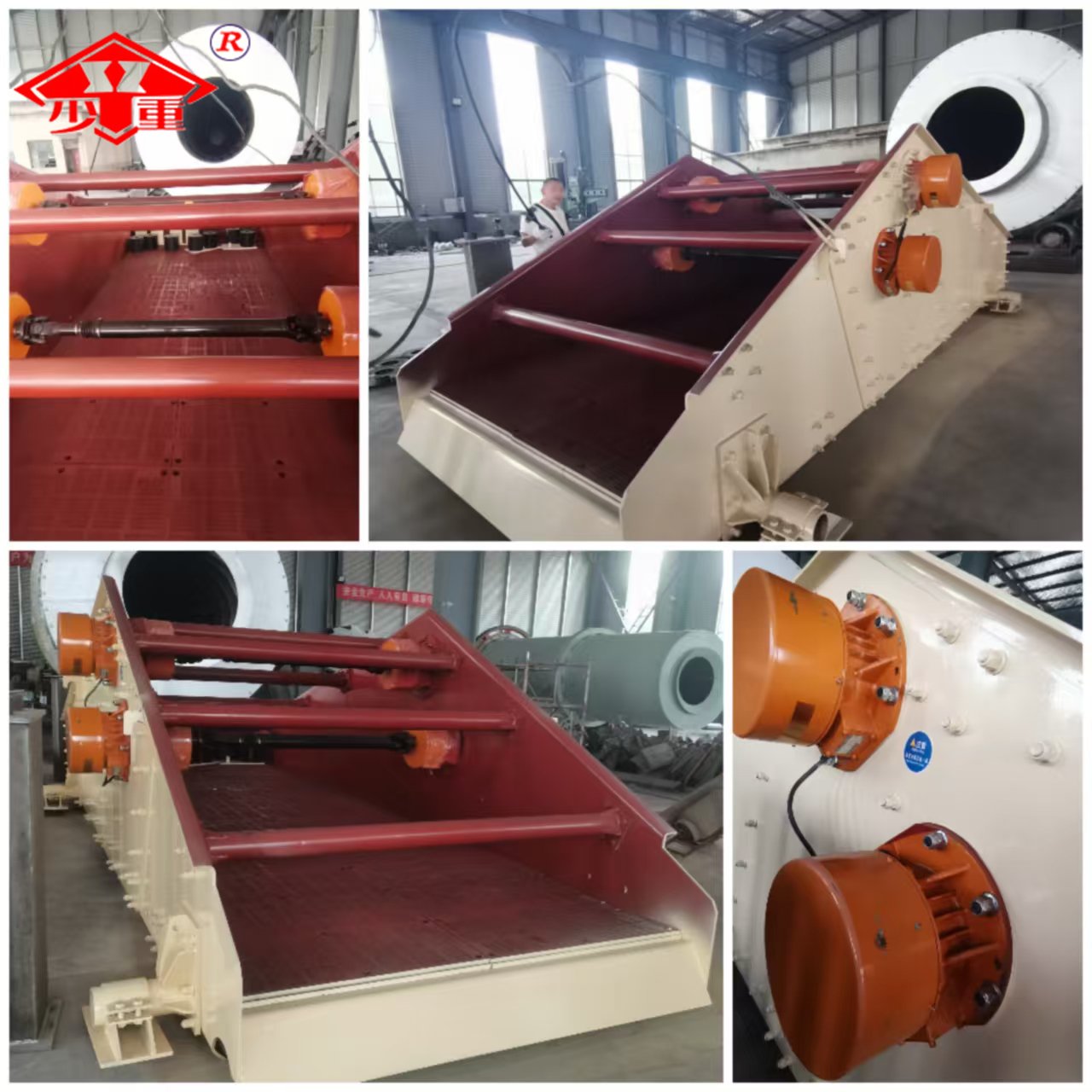
The dewatering screen employs dual-electrode self-synchronisation technology, featuring universal eccentric weights and an adjustable-amplitude vibrator. Primarily composed of a screen box, exciter, support system, and motor. Two independent vibrators are driven by a belt coupling to operate synchronously in opposite directions. The centrifugal forces generated by the two sets of eccentric masses combine along the vibration direction, with opposing centrifugal forces cancelling each other out. This creates a single vibratory force along the vibration direction, causing the screen box to perform reciprocating linear motion.

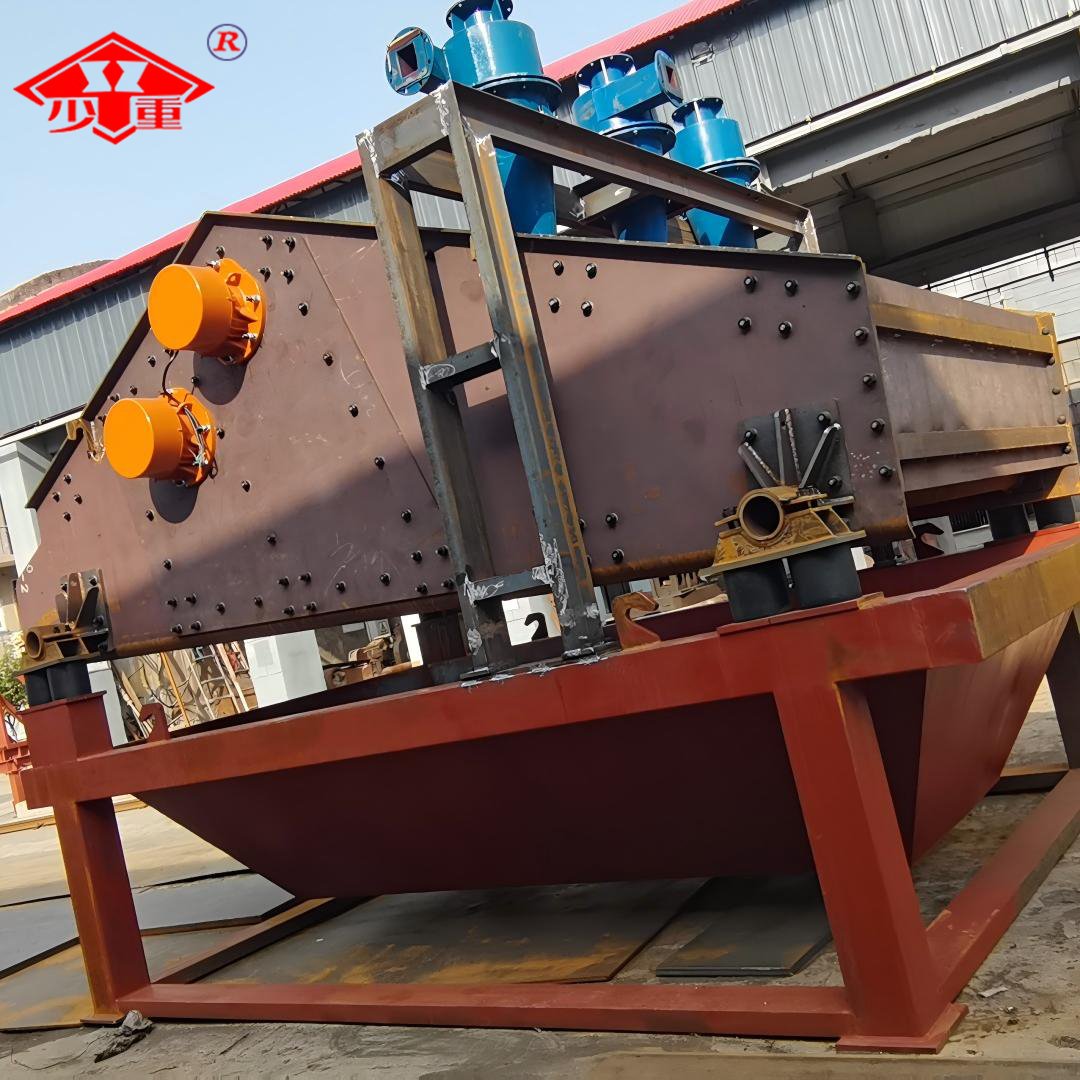
  • The core components of the sand washing and dehydration machine

    1. Screening box

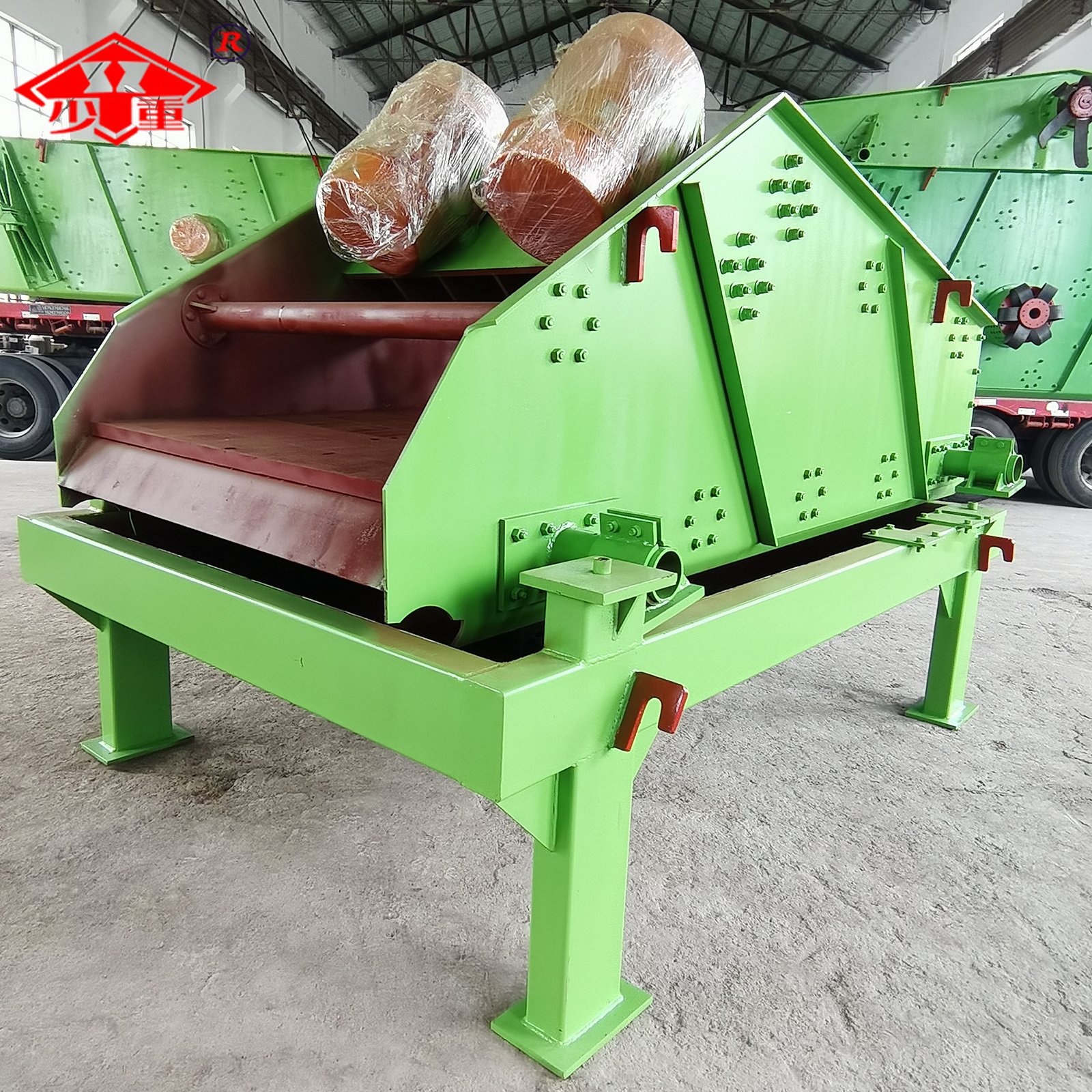
    As the primary working and load-bearing component of the equipment, it comprises the screen frame and screen surface. The frame is typically fabricated from high-strength steel plate welded together, requiring sufficient strength, rigidity, and wear resistance. The screen surface serves as the critical working plane where materials undergo dewatering, commonly constructed from stainless steel bar-slot welded mesh, woven stainless steel mesh, or laminated composite screen cloth.

    2. Vibration motor (or exciter)

    Provides the power source for the screening box’s reciprocating motion. Typically employs dual-motor self-synchronisation technology, where two counter-rotating motors generate linear vibration, ensuring stable operation of the screening assembly.

    3. Supporting Assembly

    Includes components such as rubber springs, spring mounts, and fixing clamps. These support the screening box while effectively absorbing vibration, reducing dynamic loads on the foundation and enhancing operational stability.

    4. Screen Mesh (Screen Plate)

    The component directly contacting the material, whose aperture rate, material composition, and structure directly influence dewatering efficiency. Common types include welded slotted mesh (wear-resistant, long service life) and woven mesh (high aperture rate, low cost). Some equipment employs multi-layer composite structures to prevent clogging.

Features

  • High-efficiency dewatering and processing capacity‌

    Employing high-frequency vibration technology, it rapidly separates moisture from materials, delivering significant dewatering results. For instance, tailings processed by the dewatering screen achieve concentrations of 70%-85%.‌The equipment boasts substantial processing capacity and high screening efficiency, making it suitable for continuous operation with large volumes of material.‌

  • Rational Structural Design and Robust Durability

    The chassis incorporates reinforced side panels, bottom channel steel supports, and cross-bar reinforcement. Critical areas (such as the discharge outlet) feature triangular steel plates to ensure stable and reliable operation under prolonged vibration. Screen plates contain internal reinforcement ribs, while screens predominantly utilise ultra-high molecular weight polyurethane or stainless steel slotted materials, offering exceptional wear resistance, corrosion resistance, and extended service life.

  • Low Noise and Environmental Considerations

    Operates with minimal noise; select models feature fully enclosed enclosures meeting industrial environmental standards. Rubber spring damping systems effectively reduce vibration transmission, enhancing workplace comfort.

  • User-Friendly Operation and Low Maintenance Costs

Vibration motors secured with high-strength bolts for straightforward replacement. Lightweight construction facilitates easy disassembly and routine maintenance. Eliminates risks of sudden spring failure, resulting in low repair rates and reduced long-term operational expenses.

  •  Customisable and Adaptable

Screen structures (woven, perforated, slotted), mesh sizes, and throughput can be tailored to material characteristics (e.g., sand, coal slurry, tailings). Some models feature a 5° tiltable screen plate for enhanced processing efficiency. For low-silt content materials, dewatering screens may even replace sand washers, delivering cost savings.

  • Energy Efficiency and Intelligent Operation

Employing dual-motor self-synchronisation technology, amplitude optimisation is achieved through eccentric weight adjustment, resulting in low energy consumption. As innovative equipment, high-frequency dewatering screens and tailings dry-discharging screens (e.g., LZ series) prioritise energy conservation and environmental protection, making them preferred choices for green mine construction.

Technical Parameters

model Power (kW) Output (t/h) Feed Size (mm) Screen Specifications Weight (kg) Overall dimensions: Length × Width × Height (mm)
Screen Surface Dimensions Width × Length (mm)
TS0918 0.75×2 10-30 ≤10 900×1800 535 1885×1307×1133
TS1224 2.2×2 40-60 ≤10 1200×2400 1080 2515×1607×1399
TS1530 3×2 80-100 ≤10 1500×3000 1550 3083×1907×1484
TS1840 4×2 100-140 ≤10 1800×4000 3100 4116×2381×1900
TS1842 4×2 100-150 ≤10 1800×200 3200 4316×2381×1976
TS1845 4×2 100-180 ≤10 1800×4500 3400 4900×2380×2050
TS2445 7.5×2 180-200 ≤10 2400×4500 4651 4616×3085×2248