
Product Overview
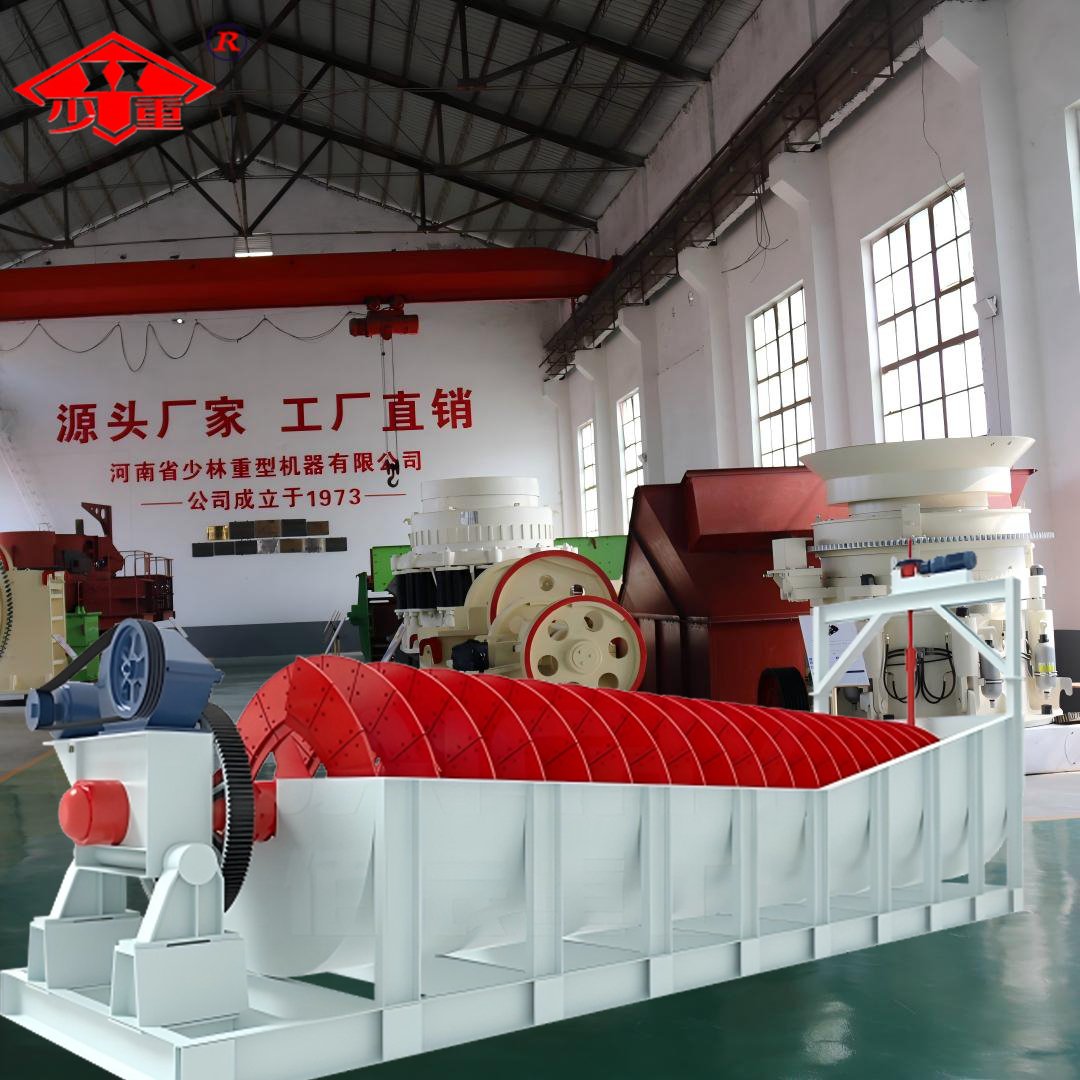
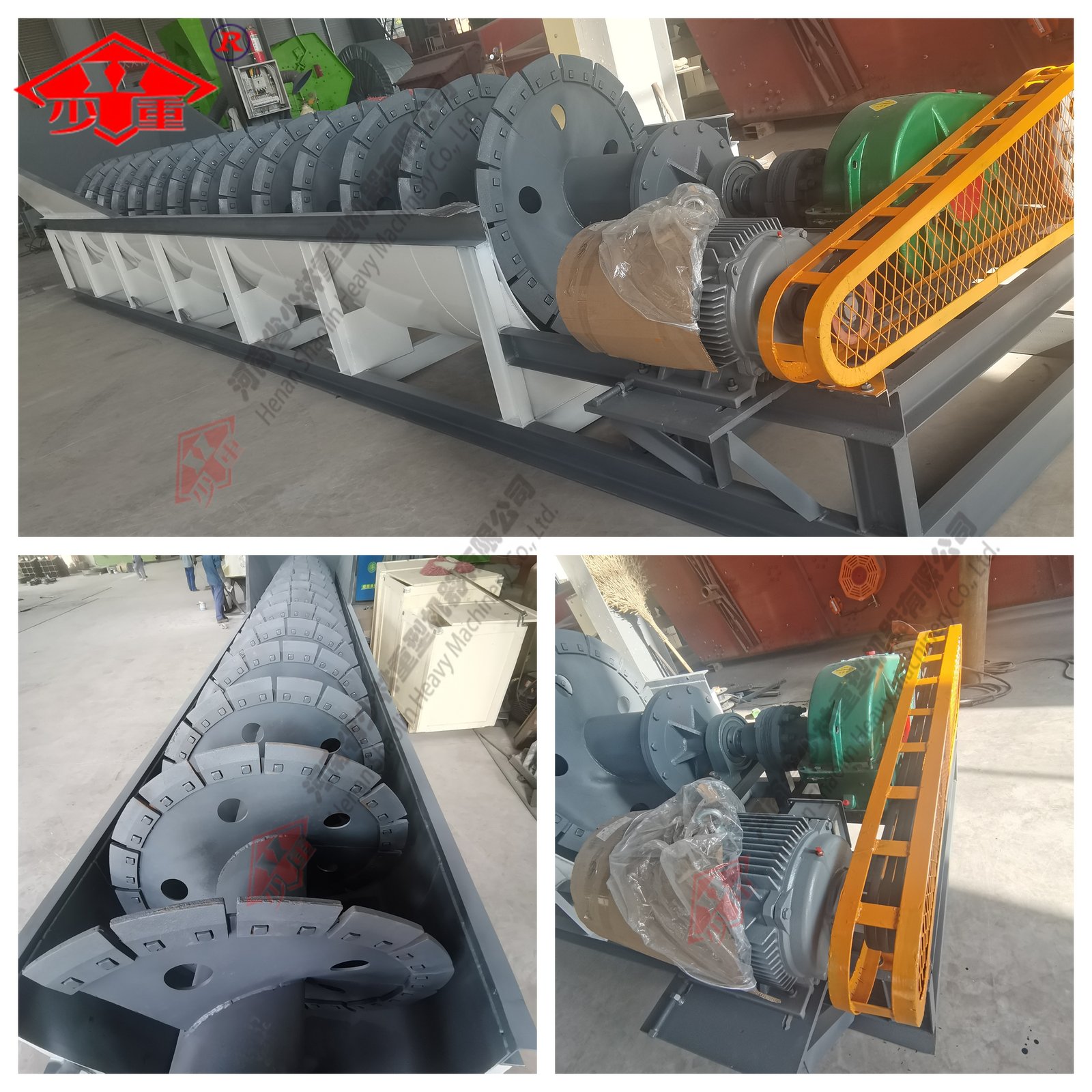
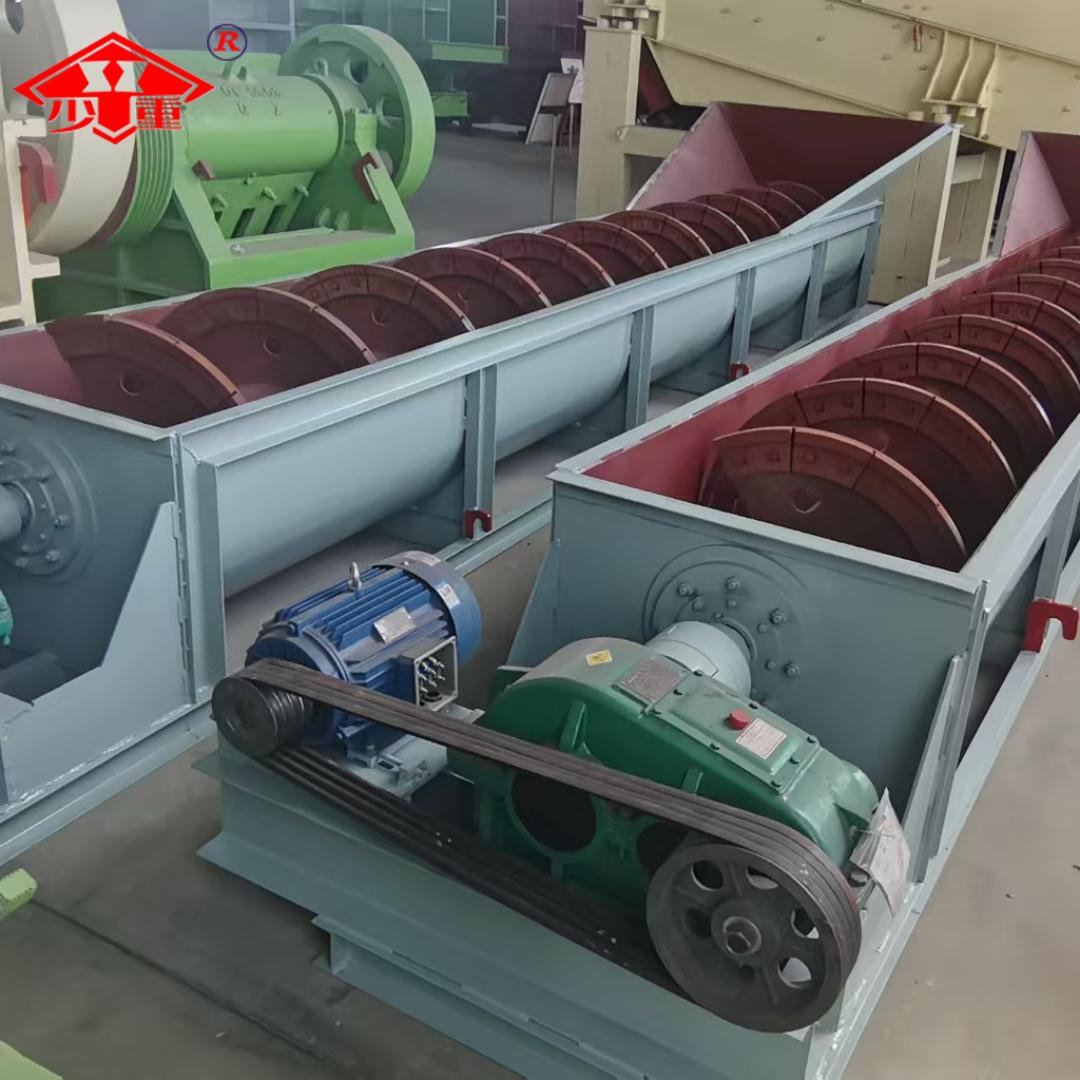
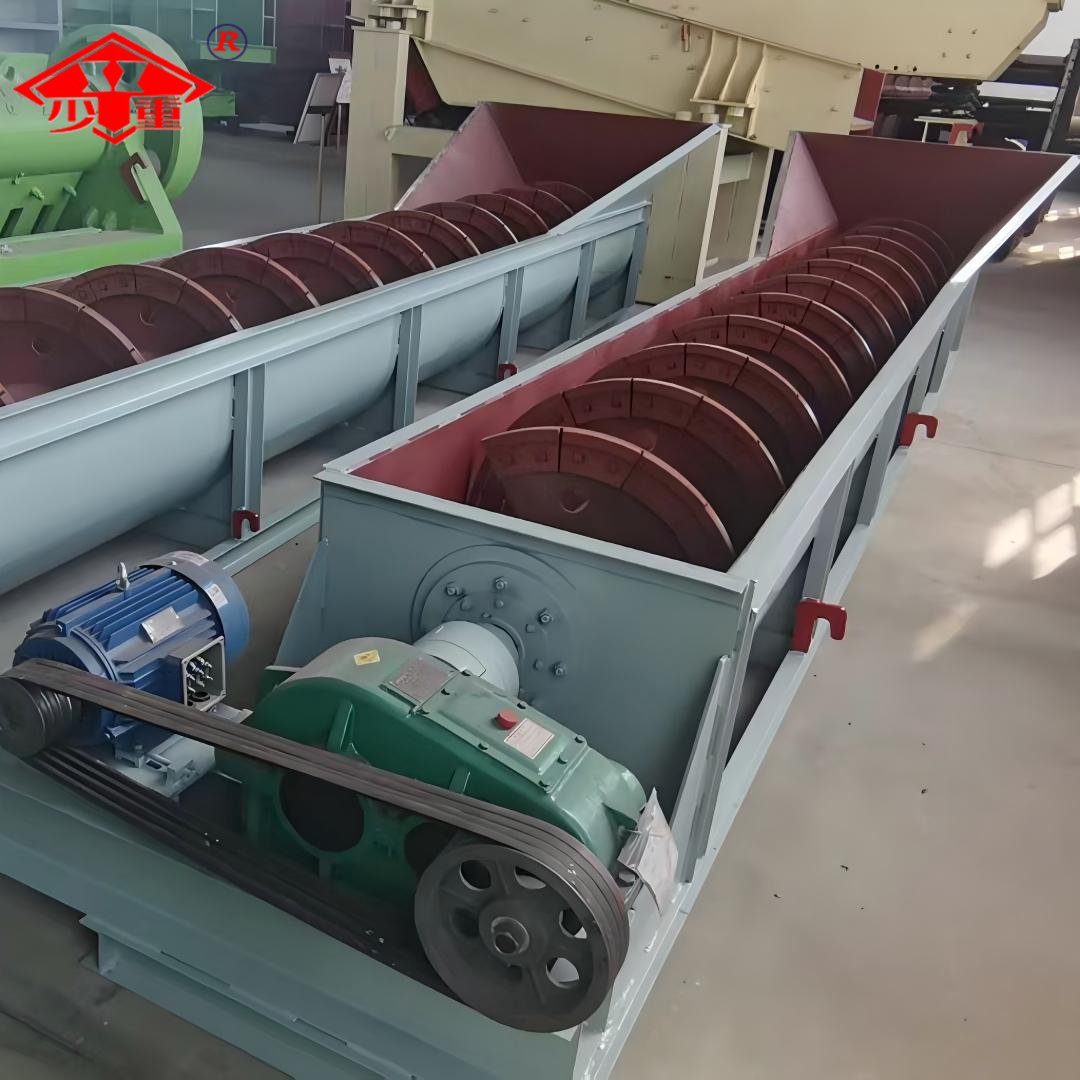
The spiral classifier produced by our company is a traditional and efficient equipment that uses the principle of different settling rates of solid particles in liquids for classification. It is mainly composed of a U-shaped sink, a spiral device, a transmission device and a lifting mechanism. With its robust structure, smooth operation, and high grading efficiency, it is a reliable choice for grinding and grading in modern concentrators. According to the height of the overflow weir, it can be divided into two main types: high weir type (suitable for separating coarse particles > 0.15mm) and sunken type (suitable for separating fine particles < 0.15mm).
Application Scenarios:
Pre-grading: Before the material enters the mill, the qualified fine-grained grade is separated to improve the efficiency of the mill.
Inspection and grading: Form a closed-circuit loop with the ball mill to control the fineness of the final product (main application).
Desilting and dewatering: used for concentrated dewatering operations for washing, desilting or slurry.
Working Principle
The working principle of the spiral classifier is based on gravity settlement and mechanical transport.
1. Mixing and Settling:
The slurry discharged by the ball mill enters the bottom of the U-shaped sink from the side feed port of the classifier. In relatively calm water bodies, coarse and heavy particles settle quickly and quickly sink to the bottom of the trough. The fine and light particles settle slowly and are suspended in the upper layer of the slurry.
2. Separation and Overflow:
The slurry level containing fine particles in the upper layer continues to rise, overflowing from the overflow weir and becoming an overflow product (qualified fine particles) and sent to the next sorting process.
3. Transportation and Sand Return:
The spiral device installed at the bottom of the tank rotates continuously to push and fish out the coarse particles (return sand) that have sunk at the bottom of the tank diagonally, and finally discharge them from the upper discharge outlet to regrind them as return sand to the ball mill.
4. Lift Adjustment:
The height of the spiral blades can be adjusted by means of a lifting device, which allows for the change of settling area, fine-tuning of grading particle size and processing capacity.
-
The core components of the spiral classifier
1. Tank body
The sloping groove, usually in U-shaped or semicircular section, is the space for holding the slurry and completing the settlement grading.
2. Spiral device
Core components, including spindle, spiral blades, brackets, and iron liners. It is responsible for stirring the slurry to prevent sedimentation and pushing the sedimentation upwards.
3. Transmission device
Includes motor, reducer and gear to power the spiral and allow speed regulation.
4. Lifting device
It is used to lift the auger during shutdown to prevent it from being buried by sand and facilitate the next start. Large classifiers usually use electric or hydraulic lifting.
5. Bearings and bearings
The upper bearing and lower bearing bearing are used to support the spiral spindle and ensure its smooth operation.