Product Overview
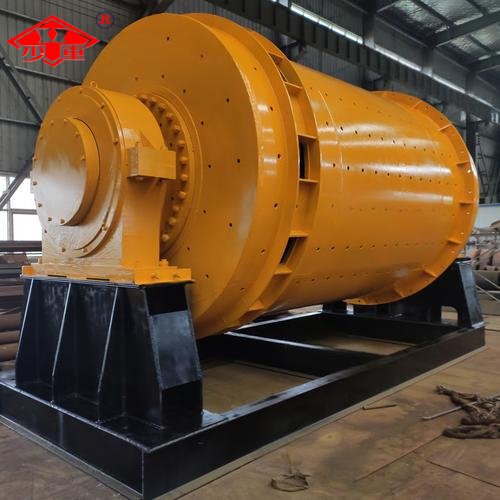
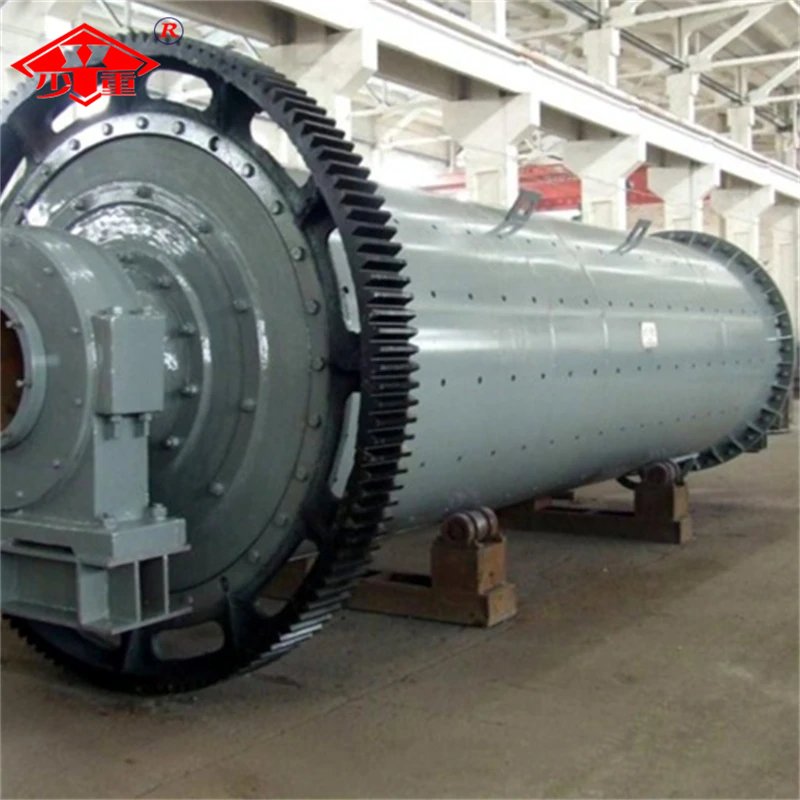
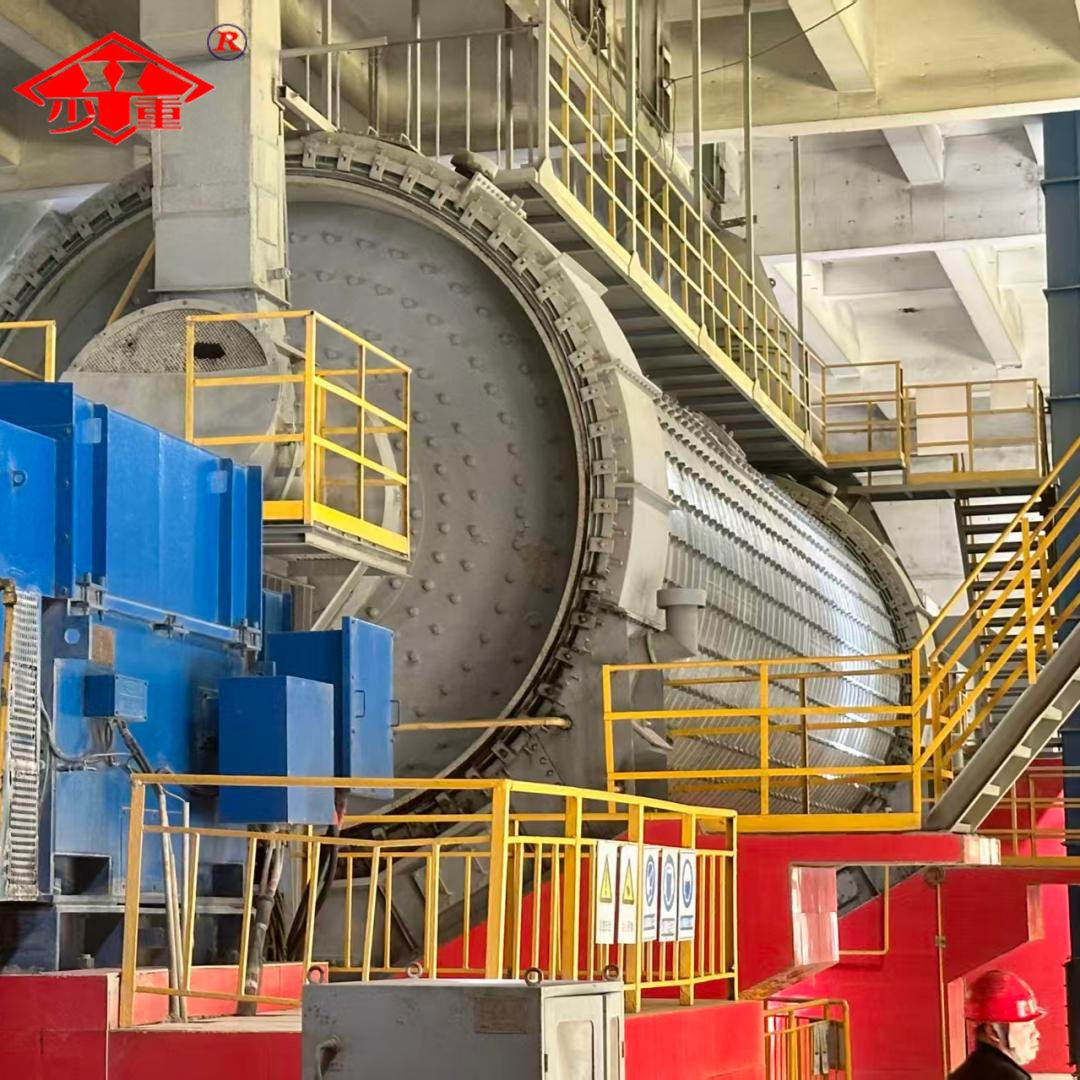
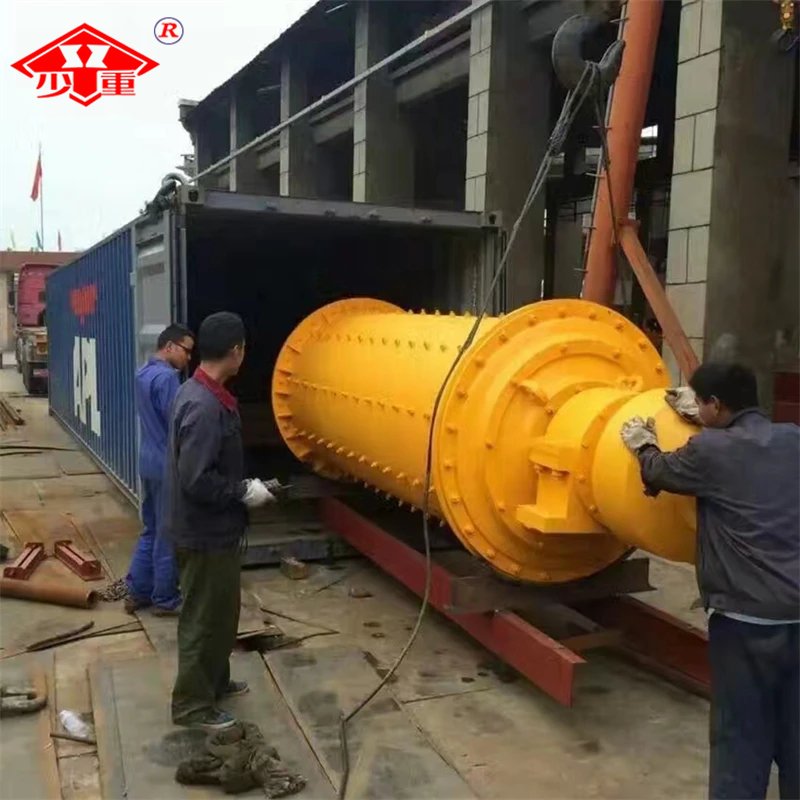
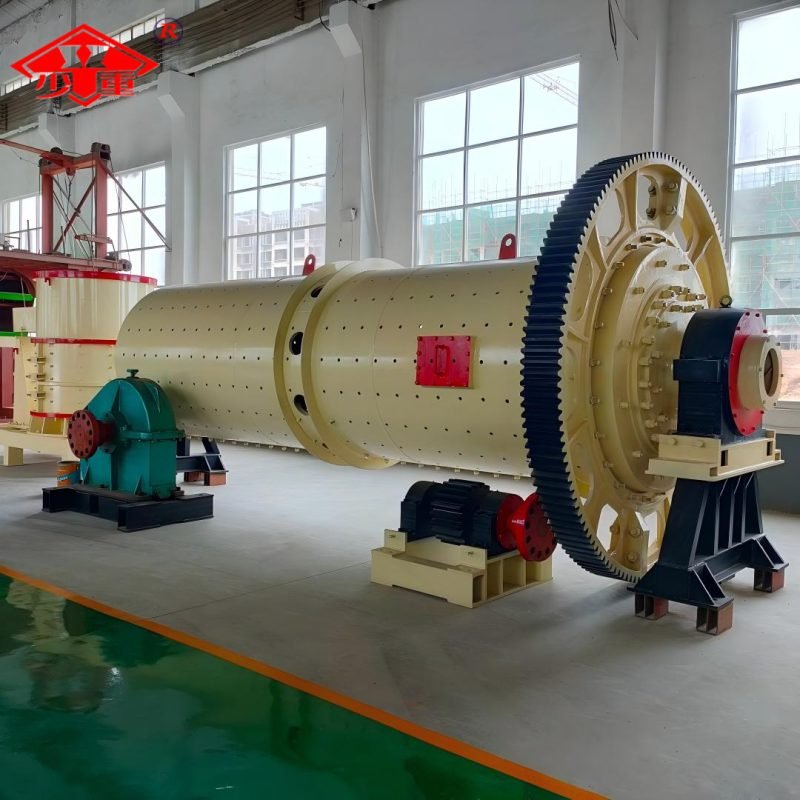
The rod mill sand-making machine is a highly efficient sand-producing apparatus utilising steel rods as grinding media. Primarily employed for crushing hard and brittle materials such as feldspar, quartz, and ores, it is suitable for aggregate processing and fine mineral crushing within sectors including building materials, metallurgy, and mining. Its core structure comprises a rotating cylinder, a reduction transmission system, and steel rod media. Material pulverisation is achieved through centrifugal and frictional forces, with compatibility for low-speed synchronous motors or gear reducers as drive units.
Working Principle
The rod mill sand-making machine is driven by an electric motor via a reduction gearbox and peripheral large gear, or directly by a low-speed synchronous motor through the peripheral large gear, causing the cylinder to rotate. The cylinder contains suitable grinding media—steel rods. Under the combined effects of centrifugal force and friction, the grinding media are elevated to a certain height before being discharged in a projectile or free-fall state. The material to be ground is continuously fed into the cylinder through the feed inlet, where it is crushed by the moving grinding media. The product is then discharged from the machine via the combined forces of overflow and continuous feeding, ready for subsequent processing stages.
Core Components of a Ball Mill
1. Cylinder:
As the core grinding chamber, it houses steel rod media within which materials are pulverised through the impact and discharge action of the falling rods.
2.Drive System:
Comprising a reduction gearbox, large and small gears, or a low-speed synchronous motor, this system transmits power from the motor to the cylinder, driving its rotation.
3.Steel Rod Media:
Serving as the direct grinding medium, these rods impact and grind materials through movement within the cylinder. Their length, diameter, and filling volume directly influence output particle size and efficiency.
4. Feeding and Discharging Devices:
The feeding device continuously conveys material into the cylinder, while the discharging device expels the crushed product via overflow or continuous discharge force.
5. Lubrication system:
Lubricates critical components such as main bearings and gears to reduce wear, lower failure rates, and extend equipment lifespan.
6.Slow-speed drive unit:
Used after prolonged equipment shutdown to rotate the drum and break up any material that may have caked inside, ensuring smooth restarting.