
Ore production lines have the characteristics of complexity, efficiency, environmental protection and automation, and with the advancement of science and technology and the improvement of environmental protection requirements, ore production lines are also constantly developing.
As an important equipment in the grinding of ore production lines, the ball mill aims to further grind the crushed ore to meet the particle size requirements required for beneficiation. The efficiency of the ball mill will also directly affect the output and cost of the entire production line.
Ball mills play an important role in the mining industry due to their wide adaptability, efficient production capacity, stable operation performance and good sealing, but their inefficiency and other shortcomings also need to be paid attention to and improved in practical applications.
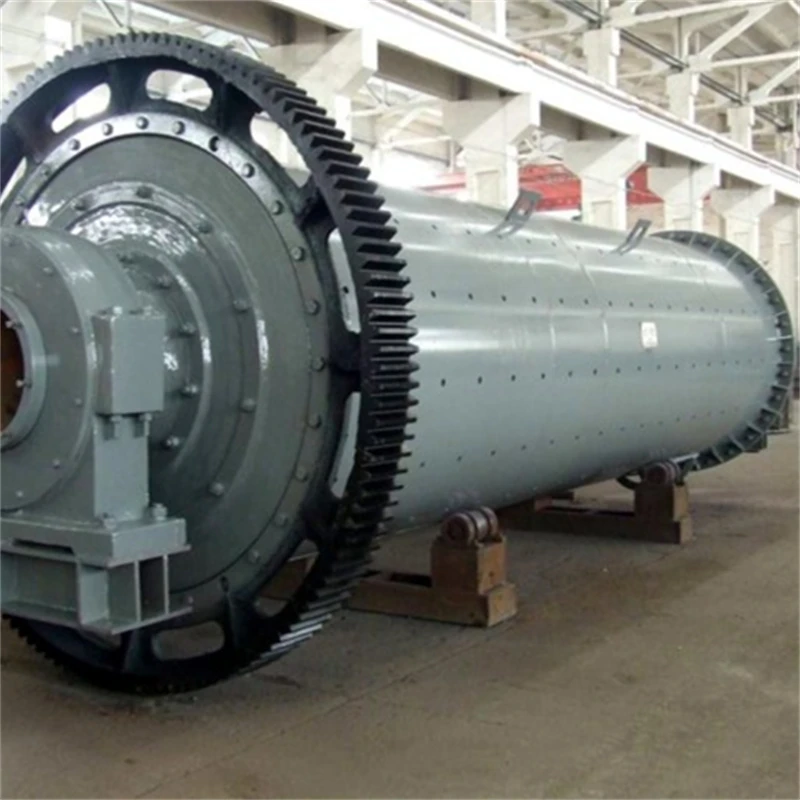
So how to improve the ore processing efficiency of ball mills?
1. Optimize the grinding medium
Choose the right grinding medium: Choose the appropriate grinding medium, such as steel balls, ceramic balls, etc. according to the hardness and properties of the ore. Different types of media have different grinding characteristics, and reasonable selection can significantly improve grinding efficiency.
Optimizing the size and ratio of grinding media: The exact size of the steel ball and its ratio are crucial for grinding efficiency. It is necessary to regularly check and adjust the size and ratio of the grinding medium to ensure that it forms an effective grinding layer in the ball mill and improves the grinding effect.
2. Adjust the operating parameters
Control the speed of the ball mill: Speed is one of the key factors affecting grinding efficiency. By optimally adjusting the rotational speed, the grinding efficiency can be improved under certain conditions. However, it is important to note that excessive rotational speed may lead to reduced grinding efficiency, so appropriate adjustments are required.
Optimize feed and water feed: Proper feed rate ensures the ball mill’s workload, avoiding overloading or underfeeding. At the same time, a reasonable feed water amount can effectively control the dust and temperature of the grinding ore and improve the grinding efficiency.
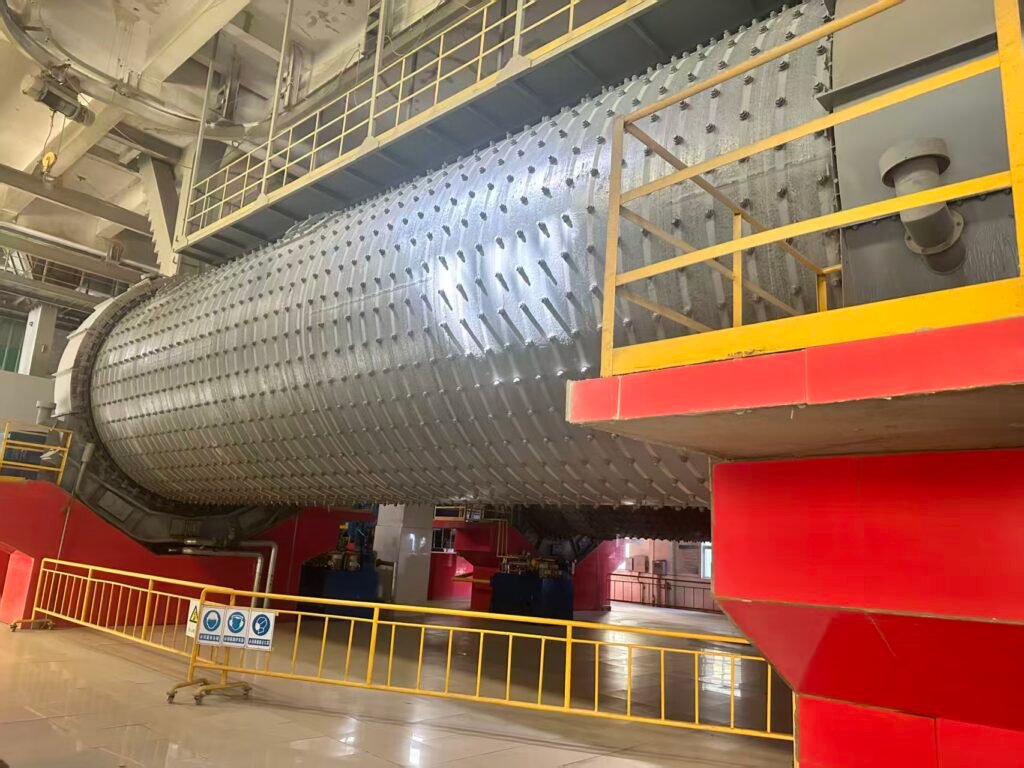
3. Improve the grinding process
Change the grindability of the raw ore: By adding chemical agents or changing the mechanical properties of the ore, the hardness of the ore is reduced and its grindability is improved, so as to reduce the difficulty of grinding and improve the grinding efficiency.
Achieve “more crushing and less grinding”: By improving the crushing efficiency and reducing the grinding particle size, the workload of the ball mill can be reduced and the grinding efficiency can be improved. This requires optimizing the selection and configuration of crushing equipment to ensure that the particle size of the crushing product meets the grinding requirements.
4. improve the efficiency of grading
Use efficient grading equipment: improve the grading efficiency by using two-stage grading or improving grading equipment, so that the qualified particle size can be discharged in a timely and efficient manner, reduce the phenomenon of over-grinding, and improve the grinding efficiency.
Appropriately increase the graded sand return ratio: the sand return ratio is the ratio of the sand return amount of the ball mill to the ore feed of the raw ore, and its size directly affects the productivity of the mill. Increasing the sand return ratio within a certain range can increase the amount of material in the mill and improve the grinding efficiency. However, it should be noted that too high a sand return ratio may cause the mill to swell, so it needs to be controlled reasonably.
5. Realize automatic control
Introduce automatic control system: By introducing an automatic control system, various parameters in the grinding process are monitored in real time, such as grinding concentration, grading efficiency, sand return ratio, etc., and automatically adjusted and optimized according to the monitoring results, so that the grinding grading remains stable and suitable for the requirements, thereby improving the grinding efficiency.
6. Strengthen equipment maintenance and management
Regular inspection and maintenance of equipment: Regularly inspect and maintain the ball mill and its auxiliary equipment to detect and deal with equipment failures and wear problems in a timely manner to ensure that the equipment is in good operating condition.
Optimize equipment configuration and layout: Optimize equipment configuration and layout according to the actual situation of the production line and process flow requirements, reduce material transportation distance and time, and improve the overall efficiency of the production line.
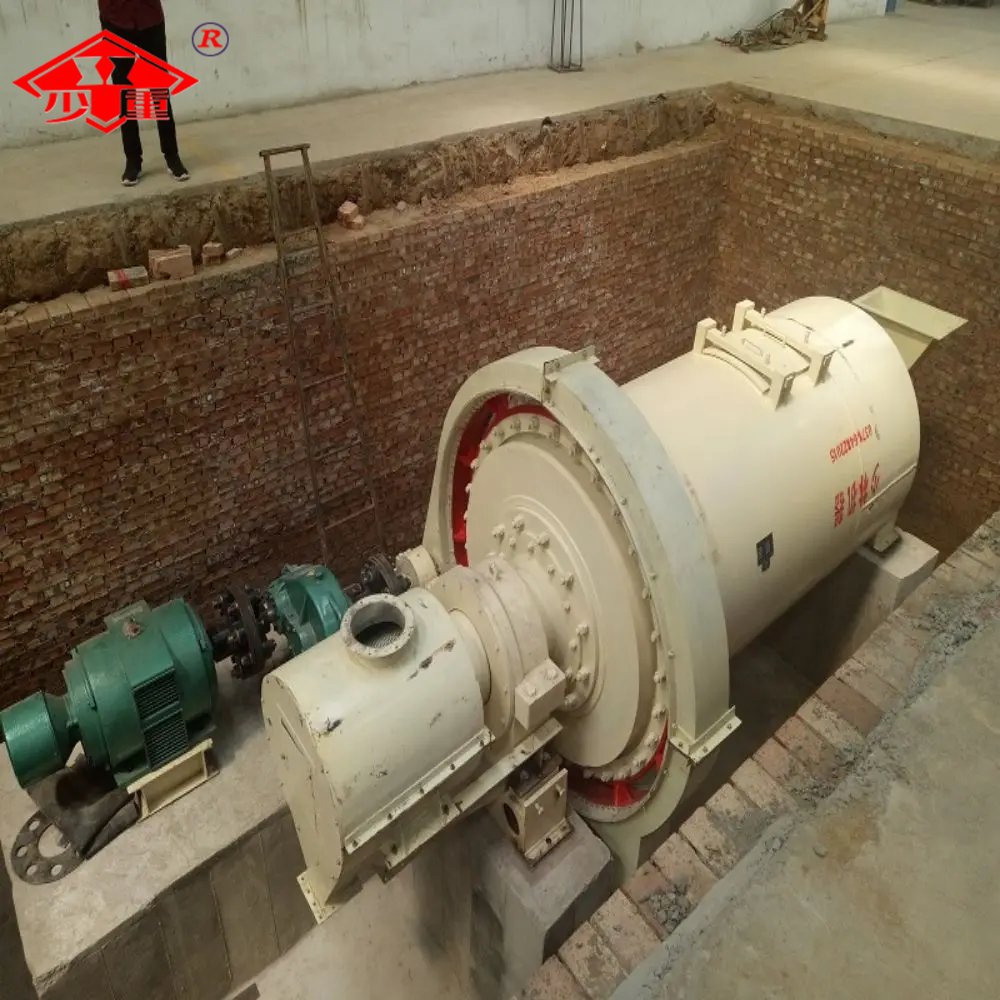
Generally, the feed size for ball mills should be less than 25mm to achieve greater crushing and less grinding, thereby saving energy. The fineness and quantity of the output material can be adjusted by altering the grading of the steel balls. The high-efficiency, energy-saving ball mills designed and developed by Shaolin Heavy Machinery utilise rolling bearings instead of plain slide bearings for support. Compared to coaxial bearing slide support, this design achieves 10-20% energy savings and increases production capacity by 10-20% under equivalent power input.