
Within the sand and gravel processing industry, the double-roll sand-making machine serves as a highly efficient crushing apparatus, effectively meeting the sand-making requirements for various stone materials of medium hardness and below. It plays a vital role in diverse quarries and aggregate plants. However, faced with the extensive array of double-roll sand-making machine models and brands available on the market, how can one make an informed choice to ensure production efficiency, product quality, and economic benefits? Below, we explore key factors quarries and aggregate plants should consider when selecting a double-roll sand-making machine:
1. First, clarify material characteristics to match core equipment configurations.
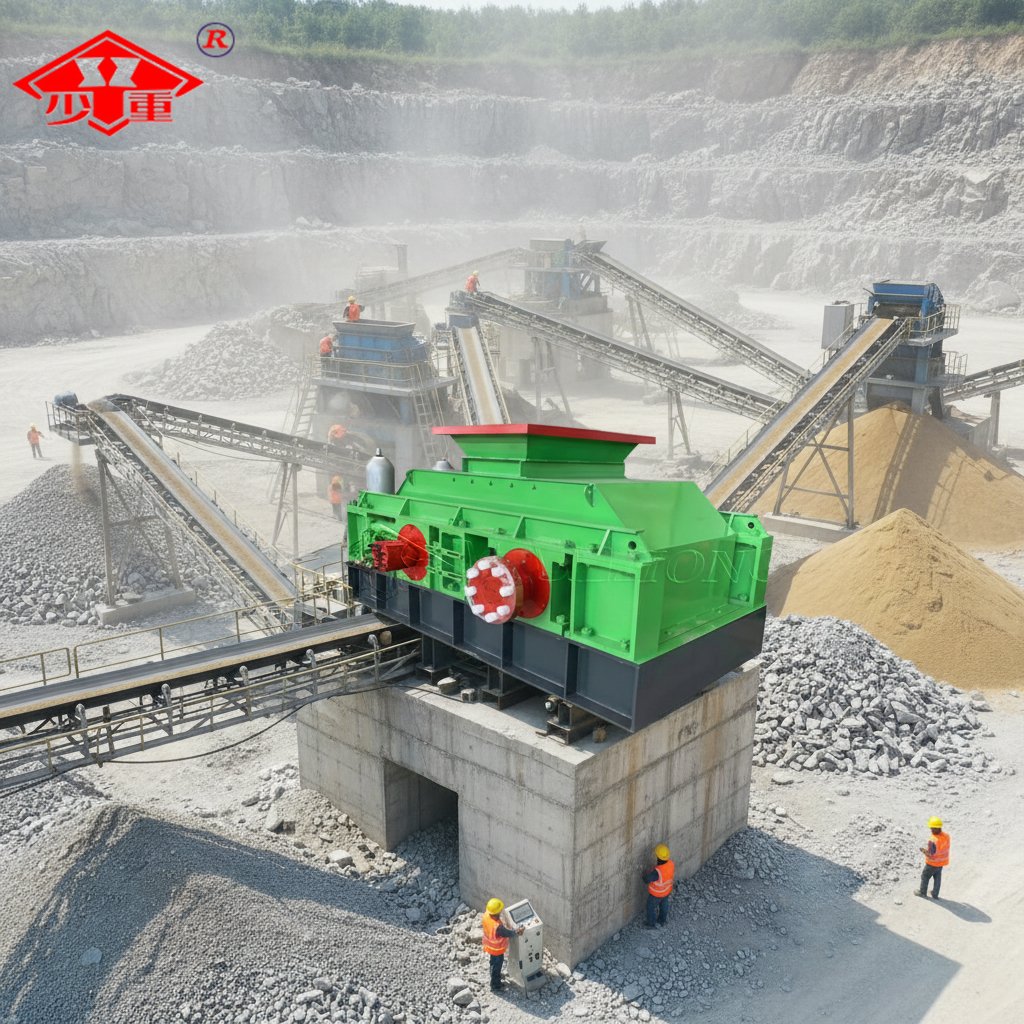
The suitability of a double-roll sand-making machine directly depends on material hardness, moisture content, and clay content – fundamental prerequisites for model selection. For high-hardness materials such as granite, basalt, and pebbles (commonly found in large quarries) with a Mohs hardness rating of 6 or above, select hydraulic double-roll sand-making machines featuring high-manganese steel or composite alloy roll liners for enhanced crushing force. It is advisable to pair these with pre-crushing equipment and prioritise models incorporating dual-buffer designs to minimise wear on the equipment caused by high-hardness materials and extend service life. For medium-to-low hardness materials like limestone, bluestone, and coal gangue (suitable for small-to-medium quarries and aggregate plants), standard spring-loaded double-roll crushers may be selected. These offer simple construction and high cost-effectiveness, meeting basic sand-making requirements without necessitating additional pre-crushing stages. Where materials exhibit high moisture or clay content (e.g., river sand, wet clayey mountain sand), select models equipped with scraper cleaning devices. This prevents material adhesion to the rollers causing blockages, ensuring uninterrupted production.
2. Selecting by Production Capacity for Precise Matching
Quarries and sand plants of varying scales have distinct capacity requirements. Model selection must adhere to the principle of ‘capacity alignment to avoid wastage’. Small-scale quarries/aggregate plants (10-30 t/h) primarily for small-scale sand production or supplementary shaping may opt for compact double-roll crushers like the 2PG750×500. These feature a small footprint, low energy consumption, and reduced initial investment and operational costs, making them suitable for limited-space applications. Medium-scale quarries/aggregate plants (50-100 t/h) are recommended to utilise medium-sized models such as the 2PG1200×800. Equipped with variable frequency speed control, these units allow flexible adjustment of output particle size, balancing production capacity with finished product quality. They are well-suited for batch production requirements and offer outstanding value for money. aggregate plants (150 t/h+): Opt for dual-motor-driven large models (e.g., 2PG1500×1000). These feature larger roller diameters, extended roller lengths, increased feed openings, and expanded crushing chambers. They withstand prolonged high-load operation. Reserve capacity margins to prevent accelerated wear from full-load operation, ensuring continuous, stable production.
3. Determine equipment precision and configuration based on finished product requirements.
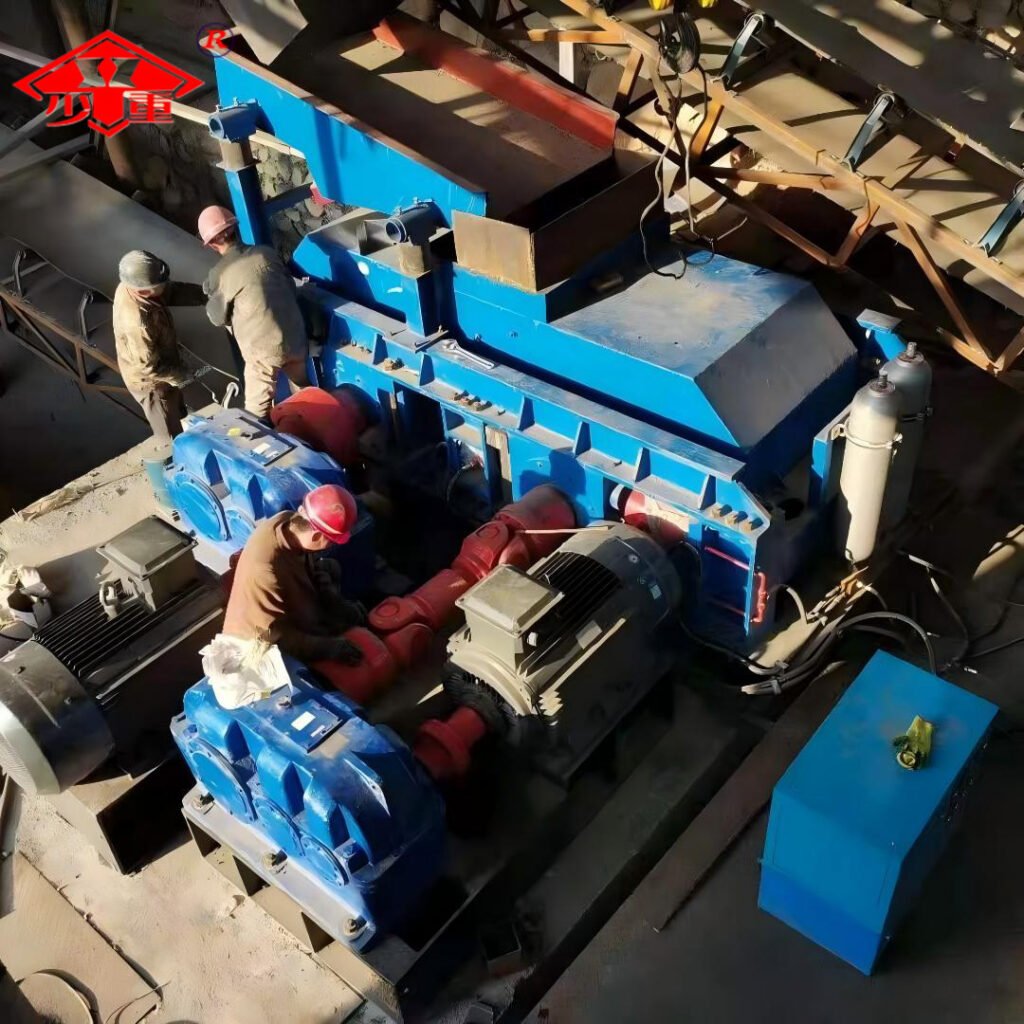
Different application scenarios impose varying demands on the particle size and shape of finished sand, directly dictating the selection direction for double-roll sand makers. For high-standard applications such as construction sand or concrete aggregate (e.g., large-scale aggregate plants), select models featuring precise roll gap adjustment (0.5–5mm range) and employing the laminar crushing principle. This effectively reduces needle- and flake-shaped particles while enhancing the roundness of the finished sand. Integrating screening equipment to form a closed-circuit system is recommended, ensuring premium sand (0–5mm) constitutes over 90% of output to increase product value. For applications with relatively relaxed particle size requirements, such as road construction or construction waste recycling (e.g., small quarries), models with a wider roll gap adjustment range and simpler structure may be selected. These do not necessitate additional screening equipment, thereby reducing capital expenditure.
4. Balancing Site Conditions and Operational Costs to Optimise Cost-Effectiveness
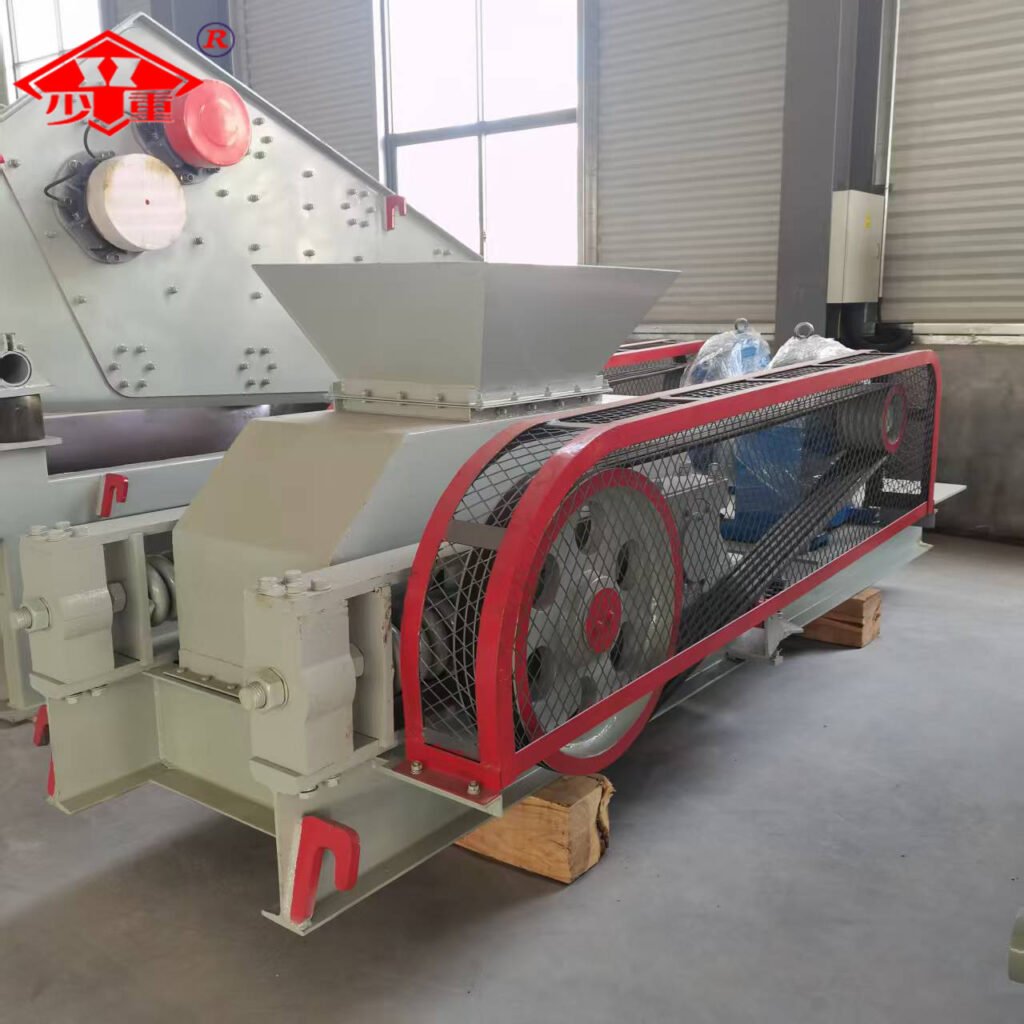
The site conditions and operational budgets of quarries and aggregate plants are also critical factors in model selection. Where space is limited or load-bearing capacity is insufficient, opt for compact, lightweight models. Ensure feed/discharge port positions and heights align with existing production line layouts to minimise site modification work. For constrained budgets, small-to-medium sites should prioritise proven double-roll sand-making machine models. These offer stable technology, straightforward maintenance, and ample spare parts availability, reducing long-term upkeep costs. For long-term energy efficiency and consumption reduction, opt for the new hydraulic-driven double-roll sand-making machine. Compared to traditional models, it achieves 15%-20% energy savings, significantly reducing electricity costs over extended operation and aligning with green production principles.
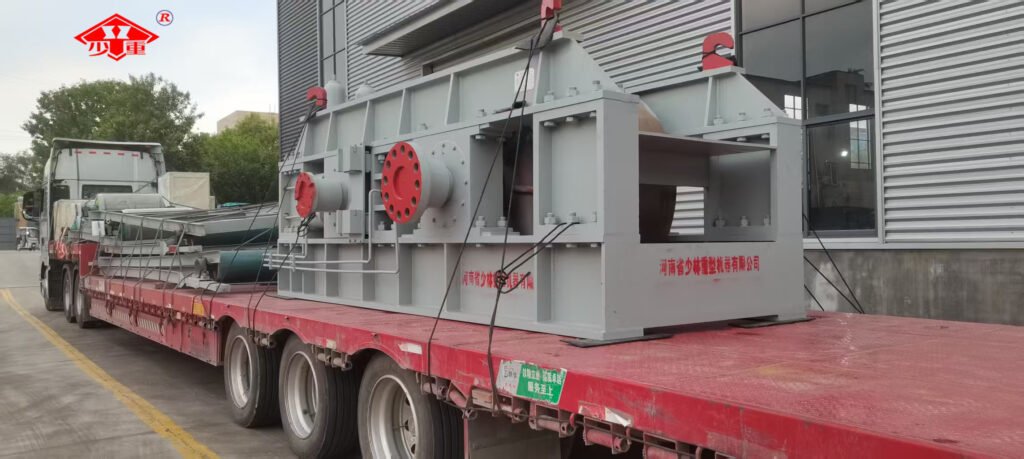
Additionally, prioritise models with easily removable and replaceable key components during selection to minimise downtime for maintenance and ensure production continuity. Simultaneously, selecting manufacturers with comprehensive after-sales support (such as Shaozhong/Shaolin Heavy Machinery) is advisable. These providers offer customised selection solutions, installation and commissioning services, personnel training, and 24/7 after-sales response. This approach comprehensively resolves all operational issues, ensuring precise equipment selection and worry-free usage, thereby achieving dual enhancements in production capacity and profitability.
Related posts
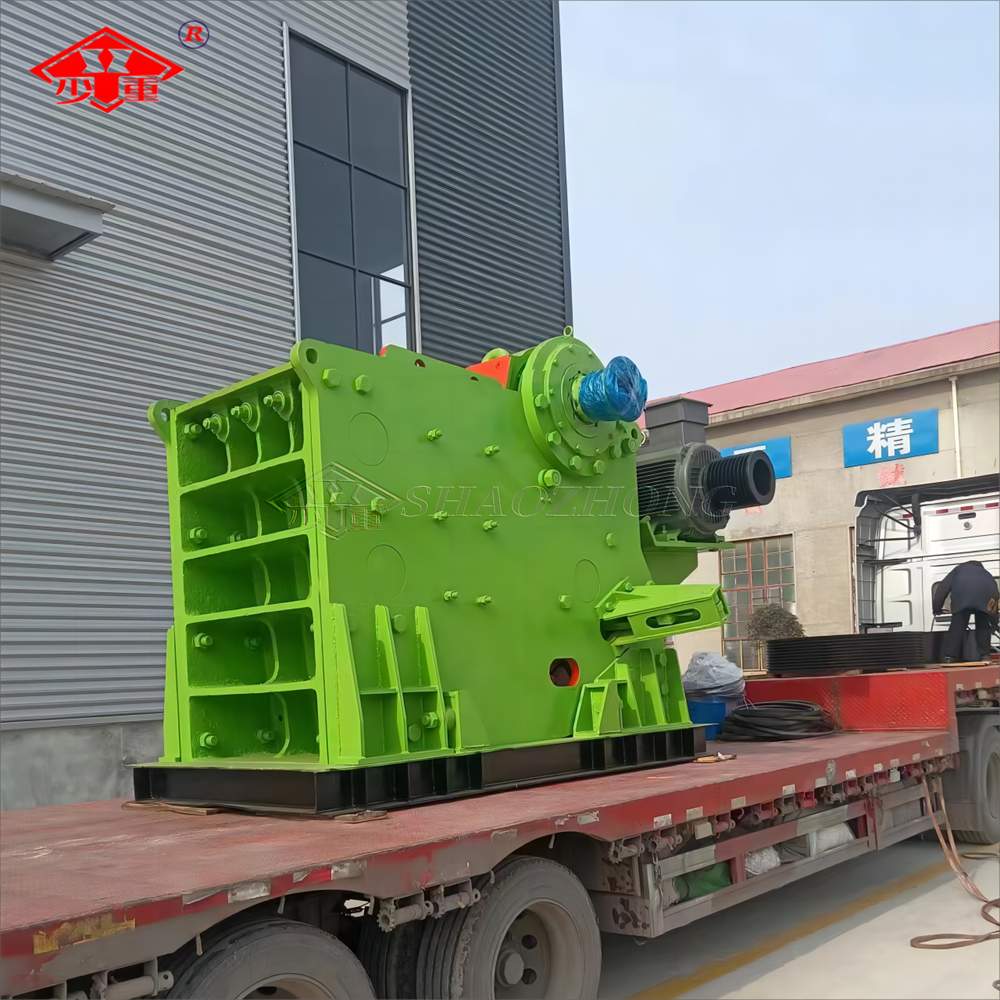
The reason why jaw crushers are favored in the initial breaking of mines
In the process of mineral resource development and utilization, crushing operation is one of the key links in the mining production line, and its efficiency and quality also directly affect the subseq...
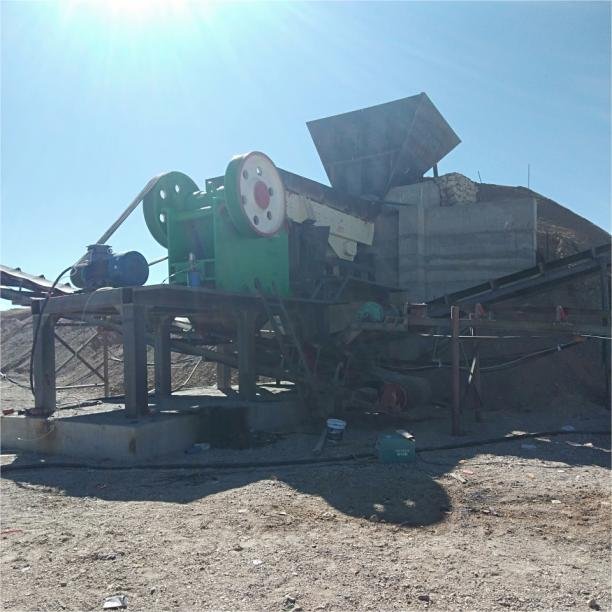
How to reduce the maintenance cost of jaw crusher
The jaw crusher is a crusher that simulates the movement of the two jaws of animals to complete the material crushing operation. It is a widely used crushing equipment, according to different series, ...

How to Enhance the Ore Processing Efficiency of Ball Mills
Ore production lines have the characteristics of complexity, efficiency, environmental protection and automation, and with the advancement of science and technology and the improvement of environmenta...

The new generation of intelligent jaw crushers has been officially launched, delivering a 25% increase in crushing efficiency.
Recently, our company formally introduced the new generation of intelligent jaw crushers. As a core upgrade product for the primary crushing stage in mining operations, this model achieves comprehensi...
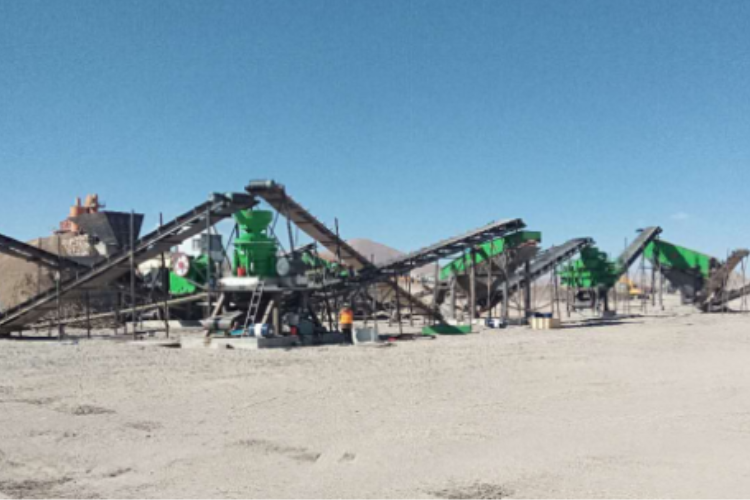
100-150t fixed production line: the best choice for medium-sized sand and gravel projects
In the sand and gravel aggregate industry, a production line with an output of 100-150 tons per hour is a typical "medium-sized" configuration. This capacity range not only meets the normalized demand...

What equipment comprises an ultrafine grinding mill production line?
The SLVTM Micro Powder Ultra-Fine Grinding Mill is a novel piece of equipment designed through the assimilation of foreign technology. It achieves the desired fineness (325–3000 mesh) by grinding mate...

80-100t Fixed Production Line Equipment Composition and Line Configuration Plan
In the sand and gravel aggregate industry, the production line with an output of 80-100 tons per hour belongs to a typical "small scale" configuration. Although this capacity range is not large, it oc...

What are the common crusher models, prices, and specifications?
Crushing machines are employed to reduce ore, concrete, and other construction materials into particles of specified size. They supply high-quality aggregate for industries including mining, construct...

How should one go about selecting sand-making equipment for a sand and gravel production line?
Within the sand and gravel processing industry, the double-roll sand-making machine serves as a highly efficient crushing apparatus, effectively meeting the sand-making requirements for various stone ...

Accelerated infrastructure development drives essential demand! A high-quality crushing production line has been established in Kyrgyzstan, filling a gap in the building materials market
Recently, as Kyrgyzstan's infrastructure construction enters a new phase of comprehensive acceleration, various local projects such as highways, railways, housing and social facilities have started in...

Deepening engagement in the calcium-magnesium-based materials ecosystem! Shaolin Heavy Machinery holds technical exchange event, showcasing its manufacturing prowess
It has also promoted the in-depth integration of mining equipment and ecological chain development, injecting new vitality into the transformation and upgrading of the industry. Wang Jinfa, Chairman o...

A delegation from the Zhengzhou Institute of Comprehensive Utilisation of Mineral Resources, under the China Geological Survey, visited Henan Shaolin Heavy Machinery for a research visit
In May 2024, a delegation led by Guo Zhenxu, Secretary of the Party Committee of Zhengzhou Institute of Comprehensive Utilization of Mineral Resources, China Geological Survey, Dr. Liu, Director ...